Functional Food Guide
A simple guide to eating with purpose and balance.
The Functional Food Guide is an A–Z guide to foods that do more than simply nourish. Here you’ll find a concise summary of nutrient-rich ingredients and their key health benefits, from vitamins and minerals to phytonutrients and gut-supporting compounds. Each food entry links to a detailed page exploring its bioactive properties, evidence-based health effects, and practical tips for adding it to your daily meals. Whether you’re seeking to boost energy, support immunity, or maintain long-term balance, this index makes healthy choices easy and accessible.
At Functional Food Guide, our goal is to make evidence-based nutrition accessible, reliable, and practical for everyday use. This resource is developed through a combination of scientific research, real-world experience working with whole foods, and ongoing review of reputable nutrition sources. Each functional food profile draws from published studies, nutrient databases, and recognised health organisations to ensure the information is accurate, balanced, and clearly explained.
While functional foods can play a meaningful role in supporting overall wellbeing, they are not a substitute for personalised medical care. For this reason, we focus strictly on research-supported benefits, nutrient composition, and practical ways to include these foods in a balanced diet. Every page on this site is written with attention to safety, preparation methods, and responsible nutrition guidance.
As this directory expands to include over 300+ foods, it will continue to be updated with new research findings, improved nutrient data, and clearer explanations where necessary. Our commitment is to provide trustworthy, transparent, and high-quality information that helps readers make informed choices about the foods they eat. If you are managing a specific medical condition or require individualised guidance, please consult a qualified healthcare provider or registered dietitian.
Functional Food Guide A-Z
| Food | Key Nutrients and Phytonutrients | Primary Health Benefits | Functional Role | Included in Profile |
|---|---|---|---|---|
| Almonds | Vitamin E, magnesium, polyphenols | Supports heart health and skin | Antioxidant, anti-inflammatory | Almond milk, almond butter and almond flour |
| Apples | Vitamin C, pectin, potassium, quercitin, polyphenols | Supports heart health, aids digestion, strengthens immunity | Antioxidant, anti-inflammatory, prebiotic | |
| Asparagus | Inulin, folate (Vitamin B9), glutathione | Supports gut microbiome, promotes cardiovascular health, aids detoxification and cell protection | Prebiotic, antioxidant, anti-inflammatory | |
| Avocados | Monounsaturated fat, fibre, folate, potassium, lutein/zeaxanthin | Supports heart health, improves cholesterol profile, aids metabolism | Cardioprotective, blood-lipid modulator, gut-microbiome supporter | |
| Beetroot | Nitrates, folate, betalains, polyphenols, potassium, manganese, vitamin C | Supports heart health, enhances exercise stamina, promotes healthy digestion and liver function | Circulation enhancer, antioxidant, anti-inflammatory, prebiotic | |
| Blueberries | Anthocyanins, vitamin C | Protects against oxidative stress | Antioxidant, brain health | |
| Broccoli | Glucosinolates, sulforaphane | Supports liver detoxification | Anti-cancer, detoxifying | |
| Carrots | Beta-carotene, lutein and zeaxanthin, falcarinol | Support vision and skin health, promote heart and gut function, may protect against certain cancers | Antioxidant, Anti-inflammatory, Prebiotic | |
| Celery | Vitamin K, luteolin, apigenin | Supports heart health, promotes digestion, aids detoxification | Antioxidant, anti-inflammatory, diuretic | |
| Chilli Peppers | Capsaicin, vitamin C, carotenoids, polyphenols, fibre | Supports heart and metabolic health, boosts immunity and circulation, reduces inflammation | Antioxidant, anti-inflammatory, and vascular support | |
| Cocoa | Flavanols, polyphenols, theobromine, magnesium, dietary fibre, iron | Supports cardiovascular health, improves cognitive function, aids blood sugar and metabolism | Antioxidant, vascular/endothelial support, metabolic booster | |
| Cranberries | Proanthocyanidins, vitamin C and E, flavonols, phenolic acids | Supports urinary tract health, heart and blood vessel health, helps gut and immune wellbeing | Antioxidant, anti-adhesive (bacterial defence), anti-inflammatory | |
| Dates | Potassium, magnesium, manganese, polyphenols, carotenoids, dietary fibre | Support gut and heart health, help with energy and digestion, may support cognitive and bone health | Antioxidant, anti-inflammatory, natural energy provider, gut microbiome support | Medjool dates, Ajwa dates, Deglet Noor dates |
| Eggplant | Anthocyanins (nasunin), polyphenols. dietary fibre | Supports heart and vascular health, promotes gut and digestive balance, helps regulate blood sugar levels | Antioxidant, anti-inflammatory, blood sugar regulator | Aubergine, brinjal |
| Eggs | Choline, lutein, zeaxanthin, high-quality protein, vitamin B12, vitamin D, selenium, omega-3 fatty acids | Support muscle and cognitive function, promote eye and immune health, aid metabolism and cell repair | Neuroprotective, antioxidant, muscle-building, metabolic support, immune-modulating | |
| Garlic | Allicin, organosulfur compounds | Boosts immune function | Antimicrobial, cardioprotective | Black garlic |
| Ginger | Gingerols, shogaols, vitamin C and B6, potassium, magnesium | Supports digestion, settles nausea, anti-inflammatory, immune support, promotes heart and metabolic health | Antioxidant, anti-inflammatory, digestive and circulatory support | |
| Kiwifruit | Vitamin C, fibre, vitamin K | Supports immunity and digestion, promotes heart and skin health | Antioxidant, gut health support, anti-inflammatory | |
| Mango | Vitamin C, beta carotene, angiferin, polyphenols, dietary fibre, folate | Supports gut health, strengthens immunity and skin health, assists eye health | Antioxidant, anti-inflammatory, digestive enzyme support, microbiome nourishing fibre | |
| Maple Syrup | Manganese, zinc, polyphenols | Supports metabolic health, promotes antioxidant protection, helps maintain immune function | Antioxidant, anti-inflammatory, natural sweetening alternative | |
| Mushrooms | Ergothioneine, beta-glucans, selenium, B-vitamins, glutathione, potassium, vitamin D₂ | Supports immune and gut health, healthy ageing and cognition, helps maintain heart health | Antioxidant, anti-inflammatory, immunomodulator, prebiotic | Shiitake, reishi, lion's mane, maitake, oyster mushrooms, chaga, turkey tail, cordyceps, button, cremini, portobello |
| Oats | Beta-glucans, manganese | Improves cholesterol and gut health | Prebiotic, heart health | |
| Olives | Oleic acid, hydroxytyrosol, oleuropein | Support heart and brain health, promote longevity, vascular strength, enhance gut and immune function | Antioxidant, anti-inflammatory, cardioprotective | Kalamata, black olives, Manzanilla, Arbequina, Nocellara del Belice olives |
| Onions | Quercetin, inulin, organosulfur compounds | Supports heart health, promotes gut balance, boosts immune function | Antioxidant, anti-inflammatory, prebiotic | Yellow, red, white and sweet onions, shallots, green onions, spring onions |
| Papaya | Vitamin C, carotenoids, papain | Supports digestion and skin, boosts immunity | Digestive enzyme support, antioxidant, anti-inflammatory | Papaya seeds |
| Pears | Pectin fibre, vitamin C, polyphenols including quercetin | Support digestion and gut health, promote heart function, regulate blood sugar | Prebiotic fibre support, antioxidant protection, anti-inflammatory | |
| Pineapple | Vitamin C, manganese, bromelain, potassium, fibre, B vitamins, antioxidants, organic acids, enzymes | Supports immune and digestive health, promotes collagen, reduces inflammation, aids recovery | Antioxidant, anti-inflammatory, digestive enzyme activity, immune-supportive, hydrating | |
| Potatoes | Potassium, vitamin C, resistant starch | Support heart and gut health, promote energy and immunity, blood sugar regulation | Antioxidant, prebiotic, anti-inflammatory | White, yellow, red, purple, blue potatoes, new potatoes |
| Seaweed | Iodine, fucoxanthin, polyphenols | Supports thyroid and gut health, promotes heart health, enhances metabolism | Antioxidant, anti-inflammatory, prebiotic | Nori, red, Kombu, brown kelp, Wakame, brown, Dulse, sea lettuce, green seaweed |
| Soy | Isoflavones, calcium, omega-3 fatty acids | Supports heart and bone health, balances hormones naturally, promotes muscle repair | Antioxidant, hormone modulator, anti-inflammatory | Tofu, tempeh, soy milk, edamame, miso, soy sauce |
| Spinach | Lutein, folate, iron | Supports vision and blood health | Anti-inflammatory | |
| Strawberries | Vitamin C, manganese, ellagic acid, anthocyanins, flavonoids, dietary fibre, folate | Supports heart health and circulation, enhances immune defence | Antioxidant and anti-inflammatory, collagen-supporting, blood sugar balancing | |
| Sweet Potato | Beta carotene, anthocyanins, potassium | Supports eye and immune health, promotes gut health, helps regulate blood sugar | Antioxidant, anti-inflammatory, blood sugar balancing | Orange, purple, white, Japanese, Satsumaimo, Beauregard, jewel sweet potatoes |
| Tomatoes | Lycopene, vitamin C, beta-carotene | Supports heart and skin health, promotes immunity and vision, reduces inflammation and oxidative stress | Antioxidant, anti-inflammatory, cardioprotective | Red, orange, green, purple, black, cherry tomatoes |
| Turmeric | Curcumin | Reduces inflammation | Antioxidant, anti-inflammatory | Tumeric |
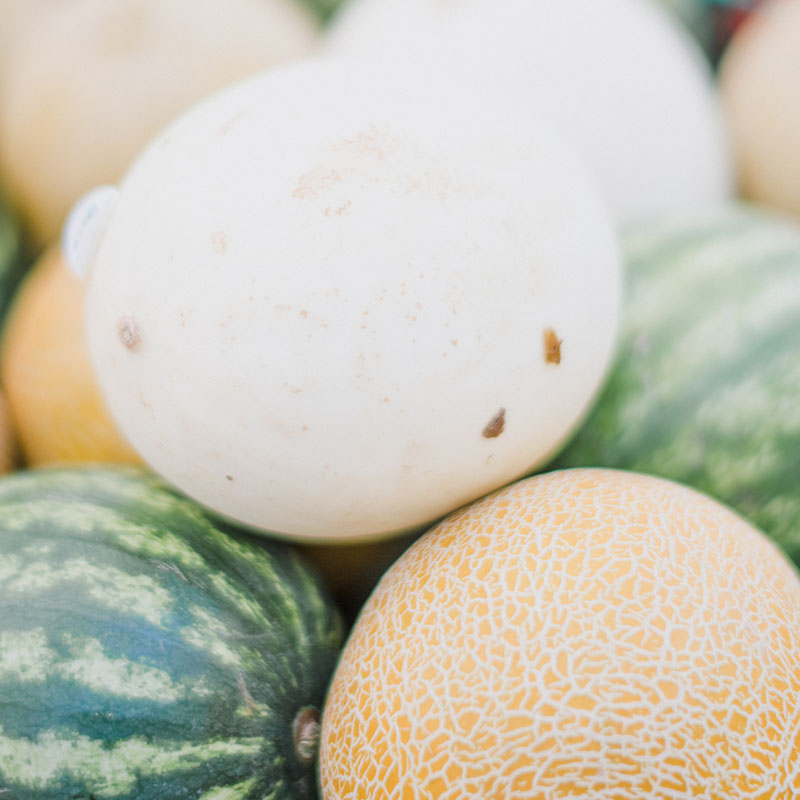
| Watermelon | Vitamin C, lycopene, L-citrulline | Supports circulation and muscle recovery, promotes skin hydration and elasticity | Antioxidant, anti-inflammatory, vasodilator/circulation booster |
How We Research and Review Content
At Functional Food Guide, every article and food profile is developed using credible, established nutrition resources. We rely on peer-reviewed research, recognised nutrition databases, traditional dietary practices, and guidance from reputable health organisations. Each page is reviewed for clarity, balance, and safety, with a focus on avoiding exaggerated claims and ensuring that information is presented responsibly. As scientific understanding evolves, we update our content to reflect new findings and improve accuracy where needed.
Research Sources and Evidence Policy
Functional Food Guide is committed to providing trustworthy, well-researched information to help readers make informed decisions about food and wellbeing. Because nutrition is a rapidly evolving field, we follow a clear and transparent approach when sourcing and reviewing information for this website.
- Evidence-Based Approach
We prioritise high-quality, peer-reviewed scientific research. This includes:
- Clinical trials
- Systematic reviews
- Meta-analyses
- Observational studies
- Established nutrition databases
- Publications from recognised scientific and medical journals
Where evidence is emerging or limited, we state this clearly.
- Authoritative Data Sources
Our nutrient and composition data primarily come from reputable institutions such as:
- USDA FoodData Central
- FAO/INFOODS
- National Institutes of Health (NIH)
- EFSA (European Food Safety Authority)
- Peer-reviewed nutrition journals
Traditional uses of foods may also be referenced when supported by historical or cultural documentation.
- Responsible Interpretation of Research
We avoid:
- Overstating health claims
- Suggesting foods “cure” or treat medical conditions
- Making promises not supported by evidence
Instead, we focus on explaining nutrients, bioactive compounds, and their established or potential roles in human health.
- Continuous Review and Updating
Nutrition science changes over time. We periodically revisit and update our articles and food profiles to incorporate:
- New research findings
- Improved nutrient data
- Updated dietary recommendations
- Clearer explanations and safer guidance
- Transparency and Reader Safety
Functional Food Guide provides general educational content. We encourage readers—especially those with health conditions, allergies, or dietary restrictions—to consult a qualified healthcare professional for personalised advice.
Summary
We are committed to providing accurate, practical, and research-informed nutrition content. All information on this page is based on reputable scientific sources, traditional food knowledge, and real-world experience. While functional foods can support wellbeing, individual needs vary, and guidance on this site should not replace professional medical advice.