Avocados
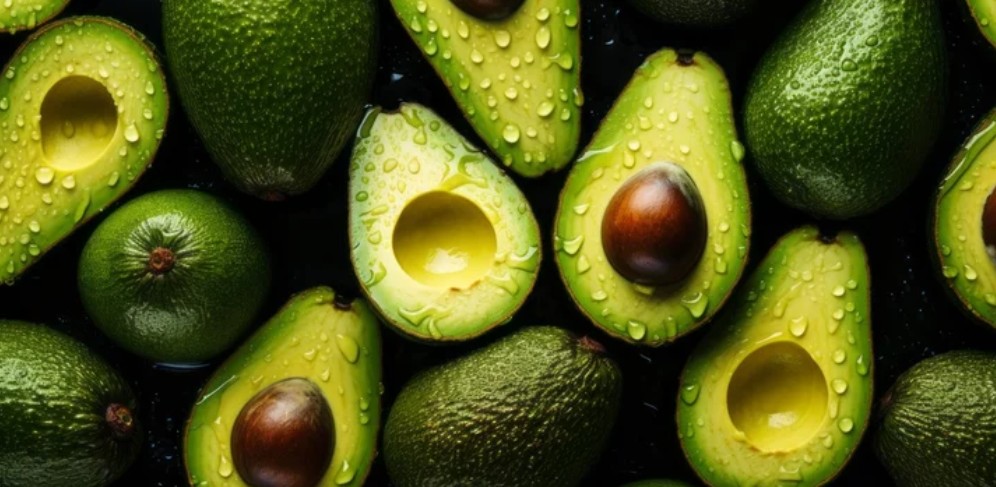
Monounsaturated fats, vitamins and minerals that nourish your heart, mind and microbiome.Often hailed as a “superfood”, the avocado (Avocado, Persea americana) is unique among fruits for its rich, creamy texture and high levels of healthy fats. Unlike most fruits that are carbohydrate-dominated, avocados provide primarily monounsaturated fat, alongside fibre, vitamins, minerals and phytonutrients. Because of this profile, they offer more than just calories—they deliver nourishment that supports heart, metabolic, brain and digestive health. In this comprehensive guide we’ll explore the benefits, nutrition, science, and practical ways to incorporate avocados into a balanced diet.
Nutrition Table
| Nutrient / Compound | Amount per 100 g (raw flesh) | Benefits |
|---|---|---|
| Energy | ≈ 670 kJ (160 kcal) | Moderate-energy, nutrient-rich food |
| Total fat | ≈ 14.7 g | Healthy monounsaturated fats for heart and circulation |
| Carbohydrate | ≈ 8.5 g | Low carb, supports stable glucose |
| Dietary fibre | ≈ 6.7 g | Promotes gut health, helps satiety |
| Folate (B9) | ≈ 81 µg | Supports cell growth and pregnancy health |
| Vitamin K | ≈ 21 µg | Essential for bone and blood health |
| Potassium | ≈ 485 mg | Regulates blood pressure and fluid balance |
| Magnesium | ≈ 29 mg | Supports muscle and nerve function |
| Lutein + Zeaxanthin | Present in small amounts | Protects eyes, antioxidant |
Benefits
- Heart Health and Vascular Health
Almonds are well known for their ability to promote cardiovascular health. Their monounsaturated fats — the same “good” fats found in olive oil — help maintain healthy cholesterol levels by lowering LDL (bad) cholesterol and preserving HDL (good) cholesterol. Their high vitamin E content acts as a potent antioxidant, protecting blood vessels from oxidative damage. Several studies, including one published in the Journal of Nutrition (2017), have shown that regular almond consumption can significantly reduce total cholesterol and improve lipid profiles in adults with elevated cholesterol levels. Their healthy fats, fibre, and plant compounds improve blood vessel function and reduce inflammation.
- Cholesterol and Blood-Lipid Support
Meta-analyses of clinical trials show that regular avocado consumption is associated with lower levels of LDL (“bad”) cholesterol and improved ratios of total to HDL cholesterol.
- Metabolic and Weight-Management Support
Though relatively high in energy for a fruit (because of the fat content), avocados help promote satiety and help with metabolic health by replacing less healthy fats in the diet. Research suggests that substituting avocado for butter or margarine can reduce cardiovascular risk.
- Digestive and Gut Health
With both soluble and insoluble fibre, avocados contribute to healthy digestion, beneficial gut-microbe diversity and regularity. Some studies suggest that including avocados can improve gut-microbial markers and thus indirectly support systemic health.
- Rich in Micronutrients and Phytonutrients
Beyond the macronutrient profile, avocados supply potassium, magnesium, folate, vitamins E and K, carotenoids (such as lutein and zeaxanthin) and plant sterols. These compounds support vision, bone health, cellular function and antioxidant protection.
How to Include Avocados in Your Diet
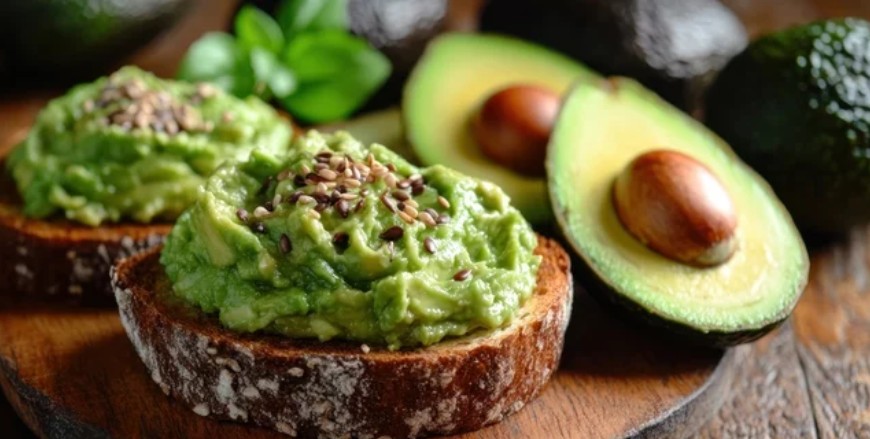
- Simple daily snack: Half an avocado on wholegrain toast with a squeeze of lemon, pepper and chilli flakes.
- Salad addition: Cube avocado and add to salads — its healthy fats help absorb carotenoids from colourful vegetables.
- Smoothies and purees: Blend avocado into smoothies to add creamy texture and slow down the sugar absorption when fruit is included.
- Substitution strategy: Use avocado in place of butter, margarine or mayonnaise to reduce saturated fat intake and increase healthful monounsaturated fats (aligned with the research above).
- Pairings for nutrient absorption: Avocado goes well with eggs, oily fish, leafy greens and citrus fruits. These pairings improve absorption of fat-soluble vitamins (A, D, E, K) and plant compounds.
- Processing note: Avocados are best eaten fresh or lightly processed. Overheating or deep-frying avocado may degrade some phytonutrients and reduce beneficial effects. The soft flesh oxidises quickly once cut, so consume soon after slicing or add a splash of lemon/lime juice to slow browning.
Scientific Backing
- A large prospective study of over 110,000 U.S. adults found that eating at least ½ a serving/day (roughly equivalent to one quarter of an avocado) and replacing less-healthy fats with avocado was associated with a 16 % lower risk of cardiovascular disease and a 21 % lower risk of coronary heart disease.
- A systematic review and meta-analysis found that in adults who ate avocado or avocado-based products, LDL (“bad”) cholesterol dropped significantly and systolic blood pressure improved modestly.
- Studies show that the high fibre and healthy-fat content of avocados help improve satiety, support better nutrient absorption (especially fat-soluble vitamins from other foods) and promote beneficial gut-microbiome changes.
- Nutritional-profile analyses of avocado flesh show abundant monounsaturated fat, potassium, folate and vitamins. These nutrients contribute to endothelial (blood-vessel) health, reduced inflammation and better cellular function.
Key Takeaways
Avocados are a unique fruit—a rich source of monounsaturated fats, fibre and micronutrients that deliver more than just energy. Regular inclusion can support heart health, improve cholesterol profiles, stabilise metabolism and enhance nutrient absorption. While they are higher in calories than many fruits, the quality of their fat and nutrient content make them a superb addition to a functional-food diet. By replacing less favourable fats and pairing avocados with vegetables, wholegrains and protein sources, you can maximise their health benefits.
Recommended Products

References/Sources
- Pacheco, L.S. et al. “Avocado Consumption and Risk of Cardiovascular Disease in US Men and Women.” Journal of the American Heart Association, 2022. https://www.ahajournals.org/doi/10.1161/JAHA.121.024014 AHA Journals+1
- Effect of Avocado Products on Cardiovascular Risk Factors in Adults: Systematic Review & Meta-Analysis. Food Science & Nutrition, 2024. https://onlinelibrary.wiley.com/doi/10.1002/fsn3.70547 Wiley Online Library
- “Avocado Nutrition – Medical News Today.” 2023. https://www.medicalnewstoday.com/articles/318620 Medical News Today
- “Hass Avocado Composition and Potential Health Effects.” PMC, 2013. https://pmc.ncbi.nlm.nih.gov/articles/PMC3664913/ PMC
- “Avocado and Cardiometabolic Health: A Systematic Review and Meta-Analysis.” Journal of the Academy of Nutrition and Dietetics, 2024. https://www.sciencedirect.com/science/article/pii/S2212267222012576 ScienceDirect