
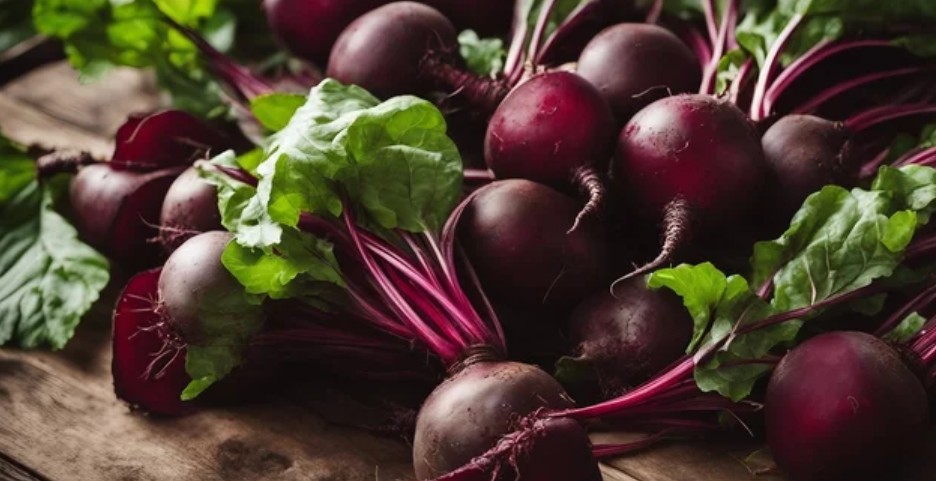
Beetroot
Rich in nitrates, fibre, antioxidants and betalains that support heart health, digestion and exercise performance.Beetroot (Beta vulgaris), commonly simply called beets, has long been celebrated not only for its vibrant red-purple colour but also for its impressive nutrient profile. Packed with natural nitrates, betalain pigments, dietary fibre, vitamins and minerals, it is a powerful functional food that supports cardiovascular health, healthy blood pressure, exercise performance and gut wellbeing.
Historically used in traditional medicine to support circulation and liver function, beetroot is now extensively researched in modern clinical studies. Its ability to improve nitric oxide production in the body makes it especially beneficial for heart health and endurance. Meanwhile, fibre and phytonutrients support digestion, reduce inflammation and promote overall metabolic health.
Whether enjoyed roasted, juiced or blended into smoothies, beetroot offers an accessible and affordable way to enhance nutrition.
Nutrition Table
| Nutrient/Compound | Amount per 100g | Benefits |
|---|---|---|
| Energy | 43 kcal | Low-calorie nutrient-dense food |
| Carbohydrates | 9.6 g | Provides natural energy |
| Fibre | 2.8 g | Supports digestion and gut health |
| Protein | 1.6 g | Supports tissue maintenance |
| Folate (B9) | 109 µg | Critical for blood and DNA formation |
| Potassium | 325 mg | Supports normal blood pressure |
| Manganese | 0.3 mg | Antioxidant and metabolic support |
| Vitamin C | 4.9 mg | Immune and antioxidant support |
| Iron | 0.8 mg | Assists oxygen transport |
| Magnesium | 23 mg | Supports energy metabolism and muscle function |
| Betalains | Bioactive pigments | Anti-inflammatory and antioxidant |
| Dietary Nitrates | 250–400 mg | Blood pressure and circulation support |
Benefits
- Supports Heart Health and Healthy Blood Pressure
Beets are widely studied as vasodilators. They contain natural nitrates, which convert into nitric oxide — a compound that relaxes and widens blood vessels. This helps improve blood flow and lower blood pressure in a natural and safe way, plus better blood flow means better delivery of oxygen, amino acids, glucose, and micronutrients to your muscles.
- Boosts Exercise Performance
Beetroot juice has become popular among athletes because nitrate-driven nitric oxide improves oxygen efficiency, endurance and stamina. Even recreational exercisers can benefit.
- Rich in Antioxidants and Anti-Inflammatory Compounds
The deep colour comes from betalains, powerful antioxidants that help protect cells from oxidative stress and reduce inflammation.
- Supports Liver Detoxification
Compounds like betaine assist liver enzyme function, helping the body process toxins more efficiently.
- Promotes Healthy Digestion and Gut Microbiome
Fibre feeds beneficial gut bacteria and supports bowel regularity. Polyphenols further support gut integrity and microbial diversity.
- May Support Brain Function
Improved blood flow benefits the brain too, especially in ageing populations, potentially supporting cognitive function.

How to Include Beetroot in Your Diet
Easy Ways to Enjoy
Roasted or steamed as a warm side dish
Grated raw into salads or slaws
Blended into smoothies with berries and ginger
Hummus with chickpeas and lemon
Fermented beet kvass for gut health
Fresh beetroot juice with lemon and mint
Best Pairings
Citrus (e.g. orange, lemon) – enhances iron absorption and adds brightness
Leafy greens – complement the folate and fibre
Walnuts – add omega-3 fatty acids
Goat’s cheese – provides a tangy contrast to the earthy flavour
Ginger and turmeric – for synergistic anti-inflammatory benefits
Processing and Nutrient Considerations
Raw – provides maximum vitamin C and fibre benefits, with a strong, earthy flavour.
Roasted – improves the flavour and maintains the fibre benefit, with a small loss of nutrients from the heat.
Boiled – provides a soft texture, but some nutrients leach into the water
Juiced – high nitrate and antioxidant availability, but will lack the fibre unless the whole vegetable is consumed with the juice.
Fermented – provides gut-friendly probiotics and the nitric oxide boosts cardiovascular function.
Pickled – an easy to way to get a regular dose of beets, but check the label to ensure that the product does not contain preservatives and sugars.
Powdered – a super convenient way to get your daily nitric oxide boost.
Scientific Backing
Blood Pressure Reduction
A randomised controlled trial in the Hypertension journal found that 250 ml/day of beetroot juice lowered systolic blood pressure by ~8 mmHg and diastolic by ~4 mmHg in adults with hypertension. This effect is attributed to dietary nitrates improving nitric oxide bioavailability.
Improved Exercise Performance
Research in the Journal of Applied Physiology showed that consuming ~500 ml of beetroot juice daily improved time-to-exhaustion during exercise by up to 16%, thanks to enhanced oxygen efficiency and mitochondrial performance.
Anti-Inflammatory and Antioxidant Effects
A study published in Nutrients reported significant reductions in inflammatory markers and oxidative stress following beetroot supplementation, citing betalains as key contributors.
Cognitive Benefits
A small trial at Wake Forest University demonstrated that older adults drinking beetroot juice (~450 ml/day) increased blood flow to brain regions involved in executive function — a potential mechanism for cognitive support.
Liver Health Support
Beetroot’s betaine content has been shown in research in the American Journal of Clinical Nutrition to support liver function and reduce biochemical markers associated with fatty liver.
Key Takeaways
Beetroot is a nutrient-dense functional food offering outstanding cardiovascular, metabolic and digestive benefits. The naturally high nitrate content of beets improves blood circulation and oxygen delivery, while betalains, fibre and minerals support heart health, liver function and inflammation control.
Whether consumed raw, cooked, juiced or fermented, beetroot is versatile and easy to incorporate into meals. Consistent intake — even in small amounts — can contribute to improved wellness and vitality.
Recommended Products

References/Sources
- Kapil, V. et al. (2015). Inorganic Nitrate Supplementation Lowers Blood Pressure in Humans: Role for Nitrite-Derived NO. Hypertension. https://doi.org/10.1161/HYPERTENSIONAHA.114.04675
- Bailey, S.J. et al. (2009). Dietary nitrate supplementation enhances muscle contractile efficiency during knee-extensor exercise in humans. J Appl Physiol. https://doi.org/10.1152/japplphysiol.00046.2009
- Clifford, T. et al. (2015). The potential benefits of red beetroot supplementation in health and disease. Nutrients. https://doi.org/10.3390/nu7042801
- Presley, T.D. et al. (2011). Acute effect of a high-nitrate diet on brain perfusion. Nitric Oxide Biology and Chemistry. https://doi.org/10.1016/j.niox.2011.06.002
- Schwalfenberg, G. (2021). The health benefits of beetroot and beetroot juice. J Food & Nutr Res. https://doi.org/10.5281/zenodo.4731026
- USDA FoodData Central. Beetroot, raw nutrition profile. https://fdc.nal.usda.gov
- Li, W. (2019). Eat to Beat Disease: The New Science of How Your Body Can Heal Itself. Avery, Penguin Random House.