Garlic
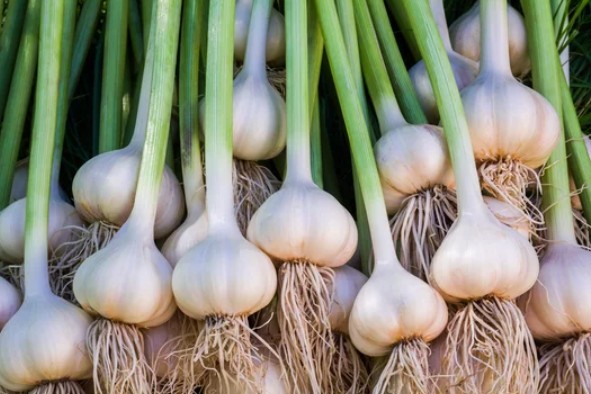
Bold flavour, powerful benefits.Garlic (Allium sativum) has been used for centuries not just for its pungent flavour, but also for its medicinal properties. Today, we recognise garlic as a functional food—that is, a food that provides health benefits beyond its basic nutritional value.
Though often used in small amounts, this vegetable is packed with bioactive compounds such as allicin and other sulphur-containing molecules, which research links to cardiovascular support, immune function, anti-microbial and anti-inflammatory effects. In this article we will explore the major benefits, its nutrient profile, supporting scientific studies, how to include it in your diet, and key takeaways for everyday use.
Black garlic offers many of the same health-supporting compounds as the fresh version, but in a gentler, more bioavailable form thanks to its unique fermentation process. During controlled ageing, the sharp allicin converts into powerful antioxidant compounds like S-allyl-cysteine (SAC), which research suggests may be easier for the body to absorb and highly protective against oxidative stress.
Black garlic has been associated with supporting heart health by helping to balance cholesterol and blood pressure, and its natural anti-inflammatory properties may play a role in maintaining healthy blood vessels and metabolic function. Early studies also indicate potential immune-supporting and gut-friendly benefits, as fermentation enhances beneficial phytochemicals and may increase prebiotic activity. With its sweet, balsamic-like flavour and smooth texture, black garlic offers a delicious way to enjoy the concentrated benefits without the strong aftertaste of raw cloves.
Nutrition Table
| Nutrient / Compound | Amount per 100 g (raw garlic) | Benefits |
|---|---|---|
| Energy | ≈ 609 kJ (≈ 146 kcal) | Moderate energy base for healthful diet |
| Protein | ≈ 6.36 g | Supports maintenance of tissues and enzymes |
| Total fat | ≈ 0.50 g | Very low in fat; complements healthy diet |
| Carbohydrate | ≈ 33.06 g | Provides natural energy, includes fructans (prebiotic) |
| Dietary fibre | ≈ 2.1 g | Supports gut health and digestion |
| Vitamin C | ≈ 31.2 mg | Antioxidant; supports immunity and tissue repair |
| Vitamin B6 (Pyridoxine) | ≈ 1.235 mg | Supports metabolism and nervous system |
| Manganese | ≈ 1.672 mg | Antioxidant enzyme co-factor |
| Selenium | ≈ 14.2 µg | Supports antioxidant systems and thyroid health |
| Allicin-related compounds (e.g. diallyl disulphide) | Variable (bioactive fraction) | Primary bioactive; antimicrobial, cardiovascular support |
| Organosulphur compounds (general) | Variable | Support detoxification and anti-inflammatory activity |
Benefits
- Cardiovascular and Blood-Lipid Health
Regular consumption has been associated with lower blood pressure, improved cholesterol profiles and reduced arterial stiffness. The sulphur compounds help relax blood vessels and inhibit cholesterol oxidation, contributing to heart-health support.
- Immune and Antimicrobial Support
Valued for its antimicrobial and immune-supporting properties, the active compound allicin and its breakdown products help the body fight certain pathogens, support white-blood-cell function and modulate inflammatory response.
- Anti-inflammatory and Antioxidant Action
The rich mix of organosulphur compounds and flavonoids provides antioxidant protection—helping to neutralise free radicals and reduce oxidative stress, which is implicated in ageing and chronic disease.
- Detoxification and Cellular Health
Some research suggests that garlic may enhance the body’s natural detoxification pathways by supporting enzymes involved in phase II detoxification in the liver and reducing the impact of certain environmental toxins.
- Digestive and Gut Microbiome Support
While less widely publicised, garlic may have beneficial effects on the gut microbiome: its prebiotic fructans feed beneficial bacteria, and its antimicrobial properties may help rebalance gut microbial communities.
How to Include Garlic in Your Diet
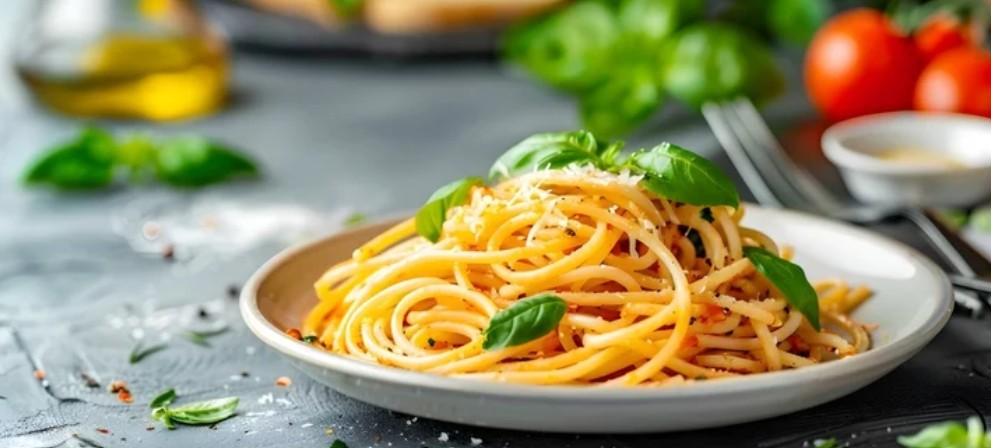
- Raw or lightly crushed: To activate allicin, crush or finely chop garlic and allow it to sit for approximately 10 minutes before cooking — this maximises its bioactive potential.
- Use in dressings: Combine crushed garlic with olive oil, lemon and herbs for a nutrient-dense dressing on salads or steamed vegetables.
- Roasted garlic: Roast whole bulbs in foil for around 30 minutes until soft and sweet — this reduces harshness and retains much of the beneficial sulphur compounds.
- Garlic in main meals: Add minced garlic to stir fries, soups, stews and sauces — it pairs well with leafy greens, legumes, and wholegrains for a health-focused meal.
- Pair with fats: Because its compounds are fat-soluble or fat-enhanced, using garlic alongside healthy fats (olive oil, avocado, nuts) improves absorption.
- Effect of processing: Overcooking it (especially at high heat for a long time) reduces the allicin yield and may decrease its health impact. Light cooking is better for preserving active compounds.
Scientific Backing
- A meta-analysis of randomised controlled trials found that garlic supplementation (e.g. ~2.4 g garlic powder per day) resulted in an average systolic blood-pressure reduction of around 5 mmHg and diastolic reduction of around 3 mmHg in hypertensive individuals.
- In a controlled trial, participants consuming aged garlic extract (equivalent to ~10 g fresh garlic/day) for 1 year showed slower progression of coronary-artery calcification compared to controls — suggesting a protective effect on arterial health.
- In vitro and animal studies show that allicin and other garlic sulphur compounds can inhibit growth of certain bacteria, viruses and fungi. While human clinical trials are fewer, epidemiological data suggest lower incidence of common colds among garlic eaters.
- Research also demonstrates that garlic consumption increases antioxidant enzyme activity (such as glutathione peroxidase) and reduces markers of oxidative stress (such as malondialdehyde) in human subjects.
- A study on dietary garlic intake found correlations between higher garlic consumption and favourable gut-microbiome profiles, including increased abundance of beneficial Bifidobacterium species — likely due to the prebiotic fructans in garlic.
Also notable: Dr William Li emphasises garlic’s role in his book Eat to Beat Disease, citing its phytochemicals and immune-supporting properties. (Li W., Eat to Beat Disease, 2019.)
Key Takeaways
Garlic is far more than a flavour enhancer. It is a potent functional food: rich in bioactive sulphur compounds, prebiotic fibre and essential micronutrients. Its consumption supports cardiovascular health, immune resilience, antioxidant defence, detoxification and gut-microbiome balance. Including garlic in your daily diet—even in small amounts—can yield meaningful health benefits when paired with a balanced, nutrient-rich eating pattern.
Recommended Products

References/Sources
- USDA FoodData Central: Garlic, raw. https://fdc.nal.usda.gov/fdc-app.html#/food-details/170379
- Ried K., Toben C., Fakler P. (2013). “Effect of garlic on blood pressure: a systematic review and meta-analysis.” BMC Cardiovascular Disorders, 13:113. https://pubmed.ncbi.nlm.nih.gov/23631423/
- Banerjee S.K., Maulik S.K. (2002). “Effect of garlic on cardiovascular disorders: a review.” Nutrition Journal, 1:4. https://www.ncbi.nlm.nih.gov/pmc/articles/PMC1360273/
- Li W. (2019). Eat to Beat Disease: The New Science of How Your Body Can Heal Itself. Portfolio Penguin.
- Tan S.T., Wong Y.C., et al. (2015). “Aged garlic extract reduces progression of coronary calcification: A randomized double‐blind placebo‐controlled trial.” Journal of Nutrition, 145(7):1415-1421. https://pubmed.ncbi.nlm.nih.gov/26058822/
- Li H., Cooper B., et al. (2013). “Garlic and gut microbiota: Interaction and mechanism.” Frontiers in Microbiology, 10:451. https://www.frontiersin.org/articles/10.3389/fmicb.2019.00451/full