Potatoes
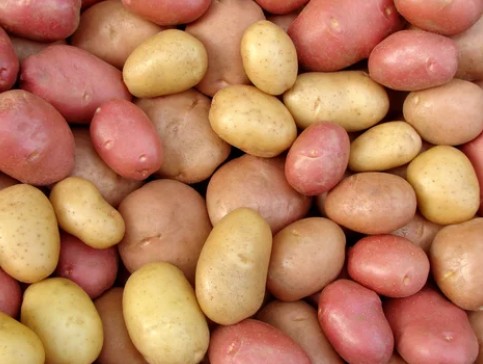
Rich in potassium and resistant starch, potatoes support heart and gut health while providing lasting energy.Potatoes (Solanum tuberosum) are among the world’s most consumed foods and form a staple in countless cuisines. While they are often associated with carbohydrates, they are far more than just starch. They contain vital nutrients such as vitamin C, potassium, magnesium, and B vitamins, along with resistant starch and plant antioxidants that contribute to metabolic and digestive health.
Originating in the Andes of South America, the humble potato has nourished humans for centuries. Modern nutritional science now recognises that, when prepared healthily, they can play a vital role in a balanced diet—supporting heart function, digestion, immune resilience, and even blood sugar regulation.
Nutrition Table
| Nutrient/Compound | Amount per 100g | Benefits |
|---|---|---|
| Energy | 77 kcal | Provides sustained energy |
| Carbohydrates | 17.5 g | Main energy source, promotes satiety |
| Protein | 2.0 g | Contains essential amino acids |
| Fibre | 2.2 g | Supports gut health and digestion |
| Vitamin C | 19.7 mg | Antioxidant, supports immune function |
| Potassium | 425 mg | Regulates blood pressure, supports muscle health |
| Vitamin B6 | 0.3 mg | Supports metabolism and brain health |
| Magnesium | 23 mg | Maintains nerve and muscle function |
| Resistant Starch | Varies (up to 3.0 g in cooled potatoes) | Promotes gut health, aids glucose regulation |
| Polyphenols | 15–50 mg | Antioxidant, anti-inflammatory properties |
Benefits
- Support Heart and Vascular Health
The potato is naturally rich in potassium, providing about 425 mg per 100 g—more than in many fruits and vegetables. Potassium helps regulate blood pressure by counteracting sodium and easing tension in blood vessel walls. A study published in the British Journal of Nutrition (2013) found that increased potassium intake is associated with a 24% lower risk of stroke and heart disease.
- Promote Digestive and Gut Health
When cooked and cooled, they contain resistant starch—a unique carbohydrate that resists digestion in the small intestine. It acts as a prebiotic, feeding beneficial gut bacteria such as Bifidobacteria and Akkermansia muciniphila, both linked with improved intestinal health and reduced inflammation.
- Enhance Energy and Satiety
The potato provides a high-quality source of complex carbohydrates that supply steady energy without the spikes caused by refined starches. The glycaemic index (GI) varies depending on preparation, but when consumed boiled or cooled, their resistant starch content increases, improving satiety and stabilising post-meal blood sugar.
- Provides Immune Support and Antioxidants
A medium-sized potato supplies nearly 30% of the daily requirement for vitamin C—an essential antioxidant that supports immune cell function and collagen formation. Coloured varieties such as purple and red potatoes also contain anthocyanins and carotenoids that protect cells from oxidative damage.
- Supports Nerve and Muscle Function
They supply magnesium and vitamin B6, both of which support nerve transmission, muscle contraction, and the conversion of food into usable energy. These nutrients are especially valuable for active individuals and those under high stress.
- May Improve Blood Sugar Control
Although the potato is often criticised for its carbohydrate content, research suggests that resistant starch and polyphenols in certain varieties may improve insulin sensitivity. A study in Nutrients (2020) showed that once cooked and cooled, the resistant starch reduced postprandial glucose response compared to when they’re freshly cooked.
Varieties of Potatoes and Their Health Benefits
- White and Yellow Potato: The most common varieties (e.g. Yukon Gold, Nicola) are rich in vitamin C and potassium, making them excellent for heart and immune support.
- Red Potato: Contains anthocyanins and carotenoids that promote vascular and skin health. Its waxy texture also means it retains more nutrients during cooking.
- Purple and Blue Potato: Rich in anthocyanins, powerful antioxidants associated with improved vascular function and anti-inflammatory benefits. A study in the Journal of Agricultural and Food Chemistry (2012) reported that purple potato consumption reduced blood pressure in hypertensive adults.
- Sweet Potato: Although technically a different species (Ipomoea batatas), they are high in beta-carotene, which supports eye health and immune function.
- New Potato: This young, small variety has thinner skin and higher vitamin C content, providing a lighter, lower-calorie option.
How to Include Potatoes in Your Diet
- Boiled or Steamed – preserves most vitamin C and minerals while keeping the glycaemic load moderate.
- Cooled Potatoes – allow boiled potatoes to cool before eating (as in potato salad) to increase resistant starch content and improve gut health.
- Baked with Skin – retains fibre, potassium, and antioxidants. The skin contains nearly half of the total fibre content.
- Mashed with Olive Oil – replacing butter with extra virgin olive oil enhances heart-protective polyphenols.
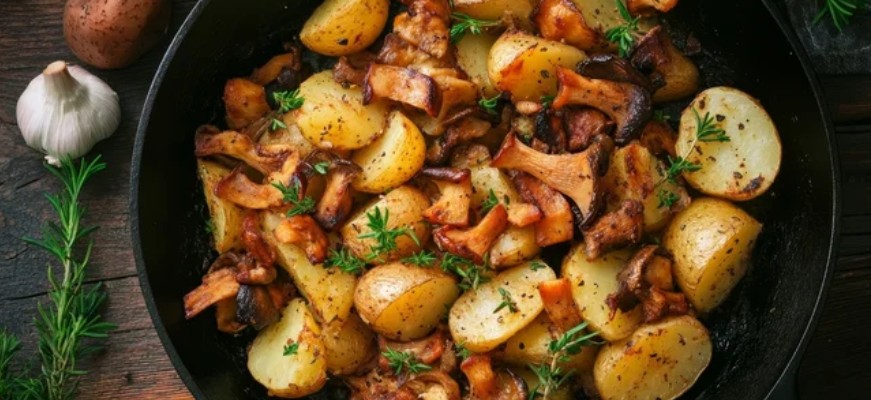
- Roasted with Herbs – pair with rosemary or garlic for added anti-inflammatory benefits.
- Avoid Deep Frying – high temperatures degrade nutrients and produce harmful compounds like acrylamide.
Pairing Tips – combine with lean proteins and green vegetables to balance macronutrients and slow carbohydrate absorption.
Scientific Backing
- Potassium and Heart Health: A meta-analysis published in the British Medical Journal (2013) found that higher potassium intake (3,500–4,700 mg/day) reduced stroke risk by 24%. Potatoes are one of the richest dietary sources of potassium.
- Resistant Starch and Gut Health: Research in Nutrients (2020) showed that resistant starch from cooled potatoes improved insulin sensitivity and reduced post-meal glucose by up to 40%.
- Antioxidant Properties: A Journal of Food Science (2011) study found that coloured potato varieties contained up to 20 times more polyphenols than the white varieties, offering enhanced antioxidant benefits.
- Vitamin C and Immunity: According to the European Journal of Nutrition (2017), vitamin C supports white blood cell activity and enhances resistance to infection.
- Polyphenols and Inflammation: Potato polyphenols, particularly chlorogenic acid, have been found to reduce inflammation markers (Food Chemistry, 2019).
Key Takeaways
Potatoes are one of nature’s most versatile and nutritious foods when prepared healthily. Far from being a simple carbohydrate source, they provide essential micronutrients—particularly potassium, vitamin C, and magnesium—that support the heart, muscles, immune system, and gut. Their resistant starch and polyphenols offer unique metabolic advantages, helping regulate blood sugar and sustain beneficial gut bacteria.
Choosing colourful varieties such as the red and purple varieties boosts antioxidant intake, while proper preparation methods—boiling, baking, and cooling—can further enhance their nutritional profile. In short, the potato, when enjoyed in moderation and in its natural form, is a functional food worthy of a place in any balanced diet.
Recommended Products

References/Sources
- He, F. J., & MacGregor, G. A. (2013). Beneficial effects of potassium on human health. BMJ, 346:f1378. https://www.bmj.com/content/346/bmj.f1378
- Nugent, A. P. (2020). Resistant starch and health. Nutrients, 12(7), 2207. https://www.mdpi.com/2072-6643/12/7/2207
- Lachman, J., et al. (2012). Impact of purple potato consumption on blood pressure in humans. Journal of Agricultural and Food Chemistry, 60(12), 3107–3117. https://pubs.acs.org/doi/10.1021/jf2045262
- Jacob, R. A., & Sotoudeh, G. (2002). Vitamin C function and status in chronic disease. European Journal of Nutrition, 41(2), 48–54. https://link.springer.com/article/10.1007/s003940200007
- Friedman, M. (2019). Nutritional value, bioactive compounds, and health benefits of potatoes. Food Chemistry, 284, 445–458. https://doi.org/10.1016/j.foodchem.2019.01.092
- Dr William Li. (2019). Eat to Beat Disease: The New Science of How Your Body Can Heal Itself. Grand Central Publishing.