Carrots
An abundance of beta-carotene and antioxidants to promote eye, skin, and heart health.Carrots (Daucus carota) are one of the world’s most popular root vegetables—celebrated not only for their sweet flavour and vibrant colour but also for their wide range of health-promoting nutrients. A staple in traditional diets across cultures, they are a versatile functional food packed with beta-carotene, vitamin C, potassium, and dietary fibre.
Beyond their traditional association with eye health, modern research has linked regular consumption to a lower risk of chronic diseases, including cardiovascular disease, certain cancers, and metabolic disorders. The vegetable’s impressive phytonutrient profile makes it a key contributor to overall wellness, particularly when consumed as part of a balanced diet rich in fruits and vegetables.
Nutrition Table
| Nutrient/Compound | Amount per 100g | Benefits |
|---|---|---|
| Energy | 41 kcal | Provides low-calorie energy |
| Carbohydrates | 9.6 g | Main source of energy |
| Dietary fibre | 2.8 g | Supports digestion and gut health |
| Protein | 0.9 g | Supports tissue maintenance |
| Beta-carotene | 8,285 µg | Precursor to vitamin A; antioxidant |
| Vitamin A (RAE) | 835 µg | Essential for vision and immune function |
| Vitamin C | 5.9 mg | Boosts immune function; antioxidant |
| Potassium | 320 mg | Regulates blood pressure |
| Lutein + Zeaxanthin | 256 µg | Protects eye health |
| Calcium | 33 mg | Supports bone health |
| Magnesium | 12 mg | Maintains muscle and nerve function |
Benefits
Support Vision and Eye Health
Carrots are best known for their beta-carotene content, a precursor of vitamin A, which plays a critical role in maintaining good vision. Vitamin A helps form rhodopsin, a pigment in the retina that enables night vision. Studies have shown that insufficient vitamin A can lead to xerophthalmia, a condition that can cause night blindness and, in severe cases, permanent damage to the eyes.
Promote Heart Health
They are a good source of soluble fibre, particularly pectin, which helps lower cholesterol levels by binding bile acids in the gut. Their potassium content also assists in maintaining healthy blood pressure. Research has found that regular intake of this vegetable is associated with reduced LDL cholesterol and improved vascular function.
Anti-inflammatory and Antioxidant Effects
Carrots have an abundance of various antioxidants—including carotenoids, polyphenols, and vitamin C—that combat oxidative stress, one of the main drivers of chronic inflammation and ageing. These compounds neutralise free radicals and support the body’s natural defence mechanisms.
May Lower Cancer Risk
Certain carotenoids, such as beta-carotene and lycopene, have been associated with a reduced risk of cancers including lung, colorectal, and prostate cancer. The antioxidant and anti-proliferative effects of these compounds may help prevent abnormal cell growth.
Support Gut Health
They provide dietary fibre, which promotes gut motility and supports the growth of beneficial gut bacteria. Emerging research suggests that prebiotic fibres in vegetables like carrots can enhance the diversity of the gut microbiome, improving digestive and immune function.
Carrot Varieties and Their Unique Health Benefits
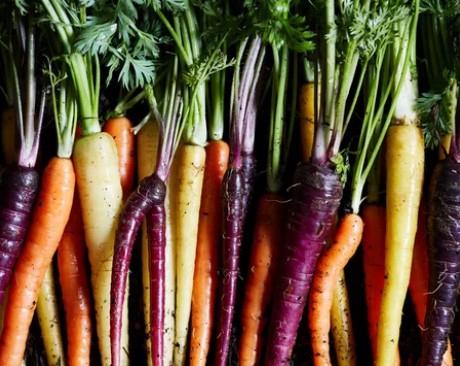
While the orange carrot is the most common globally, other varieties bring distinctive colours and bioactive compounds that add both nutritional and visual diversity to meals. Each hue reflects a different phytochemical concentration, contributing to specific health effects.
- Orange Carrot
These are rich in beta-carotene, the pigment that gives them their colour. Beta-carotene is a powerful antioxidant and the most efficient dietary precursor to vitamin A, essential for eye, skin, and immune health.
- Purple Carrot
Purple carrots contain high levels of anthocyanins, potent flavonoids also found in berries and red cabbage. These compounds exhibit anti-inflammatory, anti-diabetic, and cardiovascular-protective effects. Studies suggest that anthocyanins help reduce oxidative stress and may improve blood vessel elasticity.
- Yellow Carrot
The bright yellow colour comes from lutein, a carotenoid known for protecting eye health—particularly against age-related macular degeneration (AMD). Lutein also supports skin health by filtering high-energy blue light and reducing photo-oxidative stress.
- Red Carrot
Red varieties owe their hue to lycopene, the same carotenoid found in tomatoes. Lycopene is linked to a reduced risk of prostate and cardiovascular diseases, thanks to its strong antioxidant properties and its role in modulating inflammation.
- Black Carrot
Black or deep purple-black carrots, common in parts of Asia and the Middle East, combine the benefits of both anthocyanins and polyphenols. They are among the richest sources of natural antioxidants and have been studied for blood glucose regulation and anti-obesity effects.
- White Carrot
Although lacking strong pigments, they still provide valuable dietary fibre and minerals. They are mild and easily digested, making them suitable for sensitive stomachs or as an early food for infants.

How to Include Carrots in Your Diet
- Raw: Excellent as snacks or in salads for maximum vitamin retention.
- Steamed: Softens the fibre while preserving carotenoids and increasing beta-carotene absorption.
- Roasted: Enhances natural sweetness and antioxidant activity.
- Juiced: A convenient way to obtain concentrated nutrients, though fibre is reduced.
- Fermented (carrot kimchi or pickles): Supports gut health through probiotics.
- Pureed or in soups: Increases beta-carotene bioavailability due to heat-softened cell walls.
- Processed forms: Powders and extracts are used in health supplements, though some phytonutrients may degrade during drying or heat processing.

Scientific Backing
- Beta-Carotene and Vision Health
Research in the American Journal of Clinical Nutrition (2002) found that higher dietary beta-carotene intake was associated with a lower risk of age-related macular degeneration (AMD). - Cardiovascular Benefits
A study published in Nutrition (2011) linked consumption of carrots to reduced cholesterol and lower cardiovascular disease risk due to high fibre and antioxidant content. - Cancer Prevention
A meta-analysis in Frontiers in Nutrition (2021) found that carrot intake was inversely associated with prostate and colorectal cancer incidence. - Antioxidant Diversity by Colour
According to Food Chemistry (2012), coloured carrot varieties have significantly different phytochemical profiles, each offering distinct antioxidant benefits. - Gut Microbiota Modulation
Research in the Journal of Food Science (2018) showed that the fibre in carrots enhances beneficial gut bacterial growth and supports metabolic health.
Key Takeaways
Carrots are loaded with nutrition, offering far more than their reputation for improving eyesight. They deliver potent antioxidants, prebiotic fibres, and essential vitamins and minerals that support heart health, immunity, digestion, and skin vitality.
The range of colourful varieties of carrots—each with its unique composition of phytochemicals—further demonstrates the vegetable’s role as a functional food. Whether raw, roasted, or blended into soups and juices, carrots provide a simple yet scientifically validated way to enhance everyday nutrition.
Recommended Products

References/Sources
- Dr William Li, Eat to Beat Disease (2019).
- Tanaka, T. et al. “Relationship between beta-carotene intake and risk of age-related macular degeneration.” American Journal of Clinical Nutrition, 2002. https://doi.org/10.1093/ajcn/75.3.540
- Nicolle, C. et al. “Effect of carrot intake on cholesterol metabolism and antioxidant status.” Nutrition, 2011. https://doi.org/10.1016/S0899-9007(02)00822-9
- Xu, M. et al. “Carrot consumption and cancer risk: A meta-analysis.” Frontiers in Nutrition, 2021. https://doi.org/10.3389/fnut.2021.654789
- Leja, M. et al. “Antioxidant properties of two different coloured carrot varieties.” Food Chemistry, 2012. https://doi.org/10.1016/j.foodchem.2012.01.081
- Kundu, P. et al. “Carrot dietary fibre and its prebiotic effects on gut microbiota.” Journal of Food Science, 2018. https://doi.org/10.1111/1750-3841.14127