Papaya
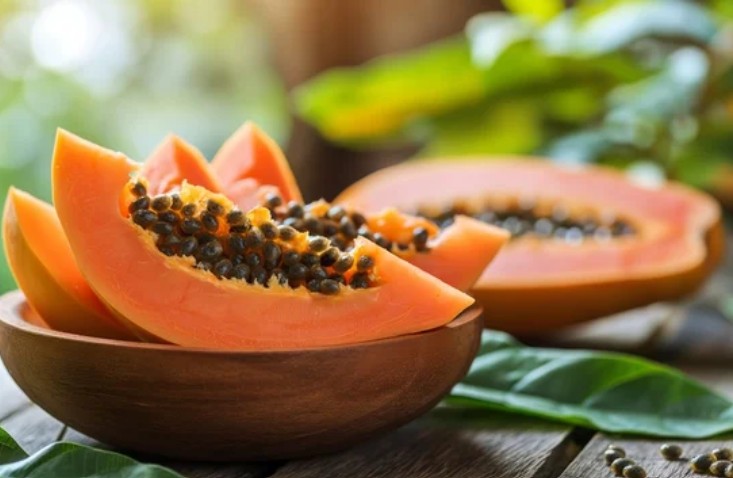
High in vitamin C, digestive enzymes and antioxidants — supports gut health, immunity, and skin vitality.Papaya (Carica papaya) is a vibrant tropical fruit celebrated not only for its sweet, refreshing flavour but also for its remarkable nutritional profile and therapeutic potential. Traditionally used in Ayurvedic and folk medicine for digestive ailments, wound healing, and immune strengthening, this fruit has today earned its place as a recognised functional food.
Both the fruit and seeds are packed with vitamins, minerals, enzymes, dietary fibre, and powerful antioxidants such as carotenoids. It contributes to digestive wellness, heart health, immune support, and youthful skin. One of its most unique compounds is papain, a proteolytic enzyme that aids protein digestion and reduces inflammation.
Research continues to expand on papaya’s benefits, showing promise for metabolic health, gut microbiota support, oxidative stress reduction, and even anticancer activity.
Whether eaten fresh, blended into smoothies, used in savoury salads, or enjoyed dried or juiced, this magical fruit is both versatile and nutrient-dense, offering a delicious way to enhance overall health and vitality.
Nutrition Table
| Nutrient/Compound | Amount per 100g | Benefits |
|---|---|---|
| Calories | 43 kcal | Low-calorie energy source |
| Carbohydrates | 10.8 g | Provides natural sugars and energy |
| Fibre | 1.7 g | Supports digestion and gut health |
| Protein | 0.5 g | Structural and metabolic support |
| Vitamin C | 60.9 mg | Immunity, collagen formation, antioxidant |
| Vitamin A (from carotenoids) | 47 µg | Vision and immune support |
| Folate (B9) | 37 µg | Cell growth and repair |
| Potassium | 182 mg | Heart health and blood pressure regulation |
| Magnesium | 10 mg | Muscle function and energy metabolism |
| Lycopene | ~3 mg | Antioxidant, supports skin and heart health |
| Papain | — (enzyme) | Aids protein digestion and reduces inflammation |
Benefits
- Supports Digestion and Gut Health
Papaya is rich in fibre and contains papain, an enzyme that helps break down proteins and may relieve indigestion and bloating. Its fibre content also promotes healthy gut flora and regular bowel movements.
- Boosts Immunity
With over 60% of the recommended daily intake of vitamin C per 100g, it supports immune function, enhances white blood cell activity, and protects against oxidative stress.
- Promotes Radiant Skin and Collagen Formation
The combination of vitamin C, vitamin A precursors (carotenoids), lycopene, and papain helps brighten the skin, reduce inflammation, and support collagen synthesis. These nutrients may also help reduce pigmentation and protect against premature ageing.
- Heart Health Support
The fibre and antioxidants help reduce LDL oxidation, regulate cholesterol, and support healthy blood pressure. Lycopene has been linked to a lower risk of cardiovascular disease.
- Reduces Inflammation
Carotenoids and papain have anti-inflammatory effects, making it beneficial for chronic inflammatory conditions and exercise recovery.
- Eye Health
Beta-carotene and lutein support vision and reduce the risk of age-related macular degeneration.
7. Liver Protection and Gut Support
The seeds contain healthy fats, polyphenols, flavonoids, and proteolytic enzymes similar to papain, which may support digestion and reduce inflammation.
How to Include Papaya in Your Diet
Fresh Eating Ideas
Enjoy ripe cubes alone or mixed. with berries and citrus.
Add to yoghurt bowls or oatmeal.
Blend into smoothies with lime and ginger.
Savoury Uses
Add to salads with coriander, lime, and chilli.
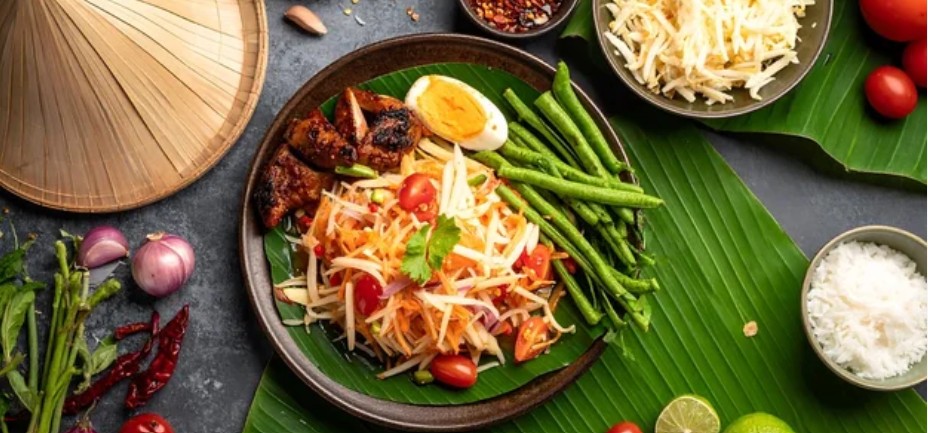
Use green (unripe) papaya in Thai-style salads.
Add to salsa with pineapple, lime, and mint.
Seeds can be dried and ground to use like black pepper.
Dessert Ideas
Sorbet
Papaya with coconut cream and lime zest.
Pairings That Enhance Nutrient Absorption
Pair with a fat source (e.g., nuts, avocado) to improve carotenoid absorption.
Lime juice boosts flavour and antioxidant synergy.
Processing Effects
Raw – best for enzymes and vitamin C.
Frozen – retains most nutrients.
Green papaya – higher in digestive enzymes.
Cooking – reduces vitamin C, but concentrates carotenoids slightly.
Fermented extracts – higher antioxidant activity.
Dried Seeds – add both flavour and a functional nutrition boost.
Scientific Backing
Digestive and Gut Health
A clinical study showed that papaya supplementation significantly improved symptoms of bloating, constipation, and indigestion in adults.
Anti-inflammatory and Antioxidant Effects
Papaya contains carotenoids and papain, which demonstrate anti-inflammatory and oxidative stress–reducing effects.
Immune Function
Vitamin C intake from papaya strengthens immune cell activity and supports the body’s response to infections.
Skin Health and Collagen
Lycopene and vitamin C help protect skin from UV damage and promote collagen synthesis.
Cardiovascular Support
A study found that papaya’s antioxidants can reduce LDL oxidation and inflammation — both key contributors to heart disease.
Anti-Parasitic and Liver Protective
A clinical study in Nigeria found that a papaya seed preparation helped clear intestinal parasites in 76.7% of children treated, making it a topic of growing scientific interest for natural gut support. Emerging evidence also suggests potential liver-protective effects due to the seeds’ antioxidant profile, helping reduce oxidative stress in hepatic tissues.
Key Takeaways
Papaya is far more than a tropical fruit — it is a functional food with powerful digestive, immune, and skin-supporting properties. Its unique enzyme papain, along with vitamin C, carotenoids, and fibre, makes it an essential food for gut health, inflammation reduction, and youthful skin.
Whether eaten ripe, blended into smoothies, or enjoyed as part of savoury dishes, papaya is a delicious, versatile, and nutrient-dense addition to a health-supportive diet.
Recommended Products

References/Sources
- Roxas, M., & Jurenka, M. (2007). Papaya (Carica papaya): medicinal uses and health benefits.
https://www.researchgate.net/publication/287196406 - Nakashima, A., et al. (2010). Anti-inflammatory activities of papaya extracts.
https://pubmed.ncbi.nlm.nih.gov/20138972/ - Carr, A., & Maggini, S. (2017). Vitamin C and immune system function. Nutrients.
https://www.ncbi.nlm.nih.gov/pmc/articles/PMC5707683/ - Rizwan, M., et al. (2011). Tomato (lycopene) and skin protection.
https://pubmed.ncbi.nlm.nih.gov/21755976/ - Müller, L., et al. (2021). Lycopene and cardiovascular risk reduction.
https://pubmed.ncbi.nlm.nih.gov/34501259/ - USDA FoodData Central – Papaya
https://fdc.nal.usda.gov/ - Li, W. Eat to Beat Disease. HarperCollins. (Reference to papaya and angiogenesis defence foods)
- Okeniyi J.A., Ogunlesi T.A., Oyelami Q.A. & Adeyemi L.A. (2007). Effectiveness of dried Carica papaya seeds against human intestinal parasitosis: A pilot study. Journal of Medicinal Food, 10(1), 194-196. DOI:10.1089/jmf.2005.065. URL: https://pubmed.ncbi.nlm.nih.gov/17472487/