Onions
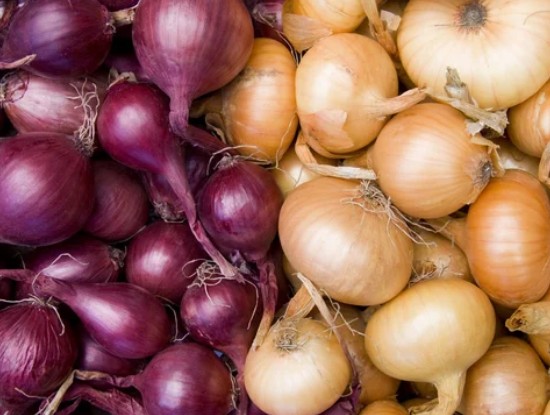
Loaded with quercetin, prebiotic fibre, and antioxidants, onions promote heart health, immunity, and gut balance.Few ingredients are as universal as the humble onion (Allium cepa). Found in cuisines across every continent, onions are not merely a culinary base – they have a nutritional abundance of scientifically supported health benefits.
Onions contain a unique mix of vitamins, minerals, antioxidants, sulphur compounds, and prebiotic fibres that collectively contribute to overall wellbeing. They support cardiovascular and immune health, stabilise blood sugar levels, and enhance gut microbiota diversity. Whether raw, roasted, or caramelised, onions are among nature’s most versatile functional foods.
Nutrition Table
| Nutrient / Compound | Amount per 100g | Benefits |
|---|---|---|
| Energy | 40 kcal | Low-calorie energy source |
| Carbohydrates | 9.3 g | Provides energy |
| Dietary Fibre | 1.7 g | Promotes digestive health |
| Protein | 1.1 g | Tissue maintenance |
| Vitamin C | 7.4 mg | Supports immunity and collagen synthesis |
| Vitamin B6 | 0.12 mg | Essential for metabolism and brain health |
| Folate (B9) | 19 µg | DNA synthesis and cell repair |
| Potassium | 146 mg | Helps regulate blood pressure |
| Quercetin | Up to 30 mg | Antioxidant and anti-inflammatory |
| Inulin | 1–3 g | Prebiotic; supports healthy gut bacteria |
| Organosulphur Compounds | ~200 mg | Cardiovascular and antimicrobial benefits |
| Anthocyanins (in red onions) | Up to 25 mg | Protects against oxidative stress |
Benefits
- Support Heart Health
Onions are rich in flavonoids, particularly quercetin, a powerful antioxidant that can help reduce blood pressure and improve cholesterol levels. Clinical studies indicate that quercetin supplementation significantly lowers systolic blood pressure and improves endothelial function. The sulphur compounds in onions, such as allyl propyl disulphide, further promote vasodilation and healthy circulation.
- Strengthen the Immune System
The immune-boosting properties of onions arise from their blend of vitamin C, selenium, and organosulfur compounds, which enhance immune cell function and defend against microbial infections. Vitamin C plays a dual role by supporting white blood cell production and acting as an antioxidant shield, helping to neutralise free radicals that damage immune cells.
- Promote Gut Health
Onions are one of the richest natural sources of prebiotic fibre, primarily inulin and fructooligosaccharides (FOS). These fibres feed beneficial gut bacteria such as Bifidobacteria and Lactobacilli, promoting digestive health and supporting the immune system. A 2018 study in Nutrients confirmed that onion-derived inulin improved microbial balance and increased production of short-chain fatty acids (SCFAs), which protect colon cells and reduce inflammation.
- Regulate Blood Sugar Levels
Regular onion consumption may help regulate blood glucose levels by enhancing insulin sensitivity. Clinical evidence from a 2010 study found that diabetic patients who consumed raw onion extract experienced a 20% reduction in fasting blood glucose levels. Quercetin and sulphur compounds likely play synergistic roles in improving glucose metabolism.
- Anti-Inflammatory and Antioxidant Protection
Oxidative stress contributes to ageing and chronic diseases such as arthritis and cardiovascular disease. Onions, particularly red varieties, are rich in polyphenols and anthocyanins that neutralise free radicals and lower inflammatory markers. A 2016 Food & Function study showed that onion extracts significantly reduced pro-inflammatory cytokines in human immune cells.
- Potential Cancer-Protective Effects
Epidemiological studies suggest that regular consumption of allium vegetables – onions, garlic, leeks, and shallots – may lower the risk of several cancers, especially stomach, colorectal, and prostate cancers. The protective effect is thought to stem from organosulfur compounds that stimulate detoxifying enzymes and inhibit cancer cell proliferation (Galeone et al., 2006). Red and yellow onions, in particular, are linked with greater antioxidant potency.
Varieties of Onions and Their Health Benefits
Onions come in several varieties, each offering a slightly different nutrient profile and phytochemical composition. Here are some of the most common types and their health-promoting distinctions:
- Yellow Onion
The most common culinary variety, the yellow onion contains high levels of quercetin and organosulphur compounds. These contribute to heart health and anti-inflammatory protection. They retain much of their nutritional value even after light cooking.
- Red Onion
The red onion stands out for its deep purple-red pigment, rich in anthocyanins – antioxidants known to support vascular function and cognitive health. Studies have shown that red onions have up to double the total antioxidant capacity of white onions, making them particularly valuable for fighting oxidative stress.
- White Onion
Milder in flavour and slightly less pungent, the white onion has a lower flavonoid content but is easier to digest for some people. It still offers prebiotic inulin and vitamin C, supporting gut and immune health.
- Sweet Onion (e.g. Vidalia, Walla Walla)
Sweet onions have a higher sugar content and a milder flavour. They contain beneficial polyphenols but are best consumed raw to preserve their delicate vitamin C and quercetin content. Excellent for immune support and digestive comfort.
- Shallot
Smaller and milder than bulb onions, shallots are densely packed with polyphenols, flavonoids, and minerals. Their antimicrobial and anti-inflammatory properties are stronger per gram than many larger onion varieties, making them a potent functional addition to meals.
- Green Onion/Spring Onion
This variety, also known as scallion, is rich in chlorophyll, vitamin K, and antioxidants. Their green tops provide additional phytonutrients that support bone health and blood clotting, making them an excellent complement to salads and stir-fries.
How to Include Onions in Your Diet
- Raw – add red or sweet onions to salads for maximum vitamin C and quercetin.
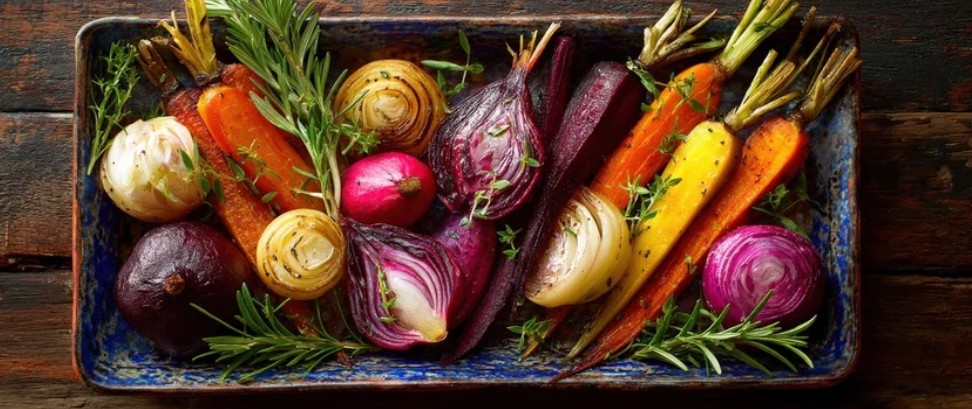
- Cooked – light sautéing or roasting enhances sweetness while preserving antioxidants.
- Caramelised – slowly cook over low heat to develop flavour with minimal nutrient loss.
- Fermented – add to probiotic dishes like sauerkraut or kimchi to combine prebiotics and probiotics.
- Soups & Stews – they form a nutrient-rich base for balanced, heart-friendly meals.
- Pairing Tip – combine with olive oil to enhance the absorption of fat-soluble antioxidants.
- Avoid over-frying – high heat can degrade delicate compounds like quercetin and vitamin C.
Scientific Backing
- Heart Health
Quercetin supplementation from onions was found to significantly reduce systolic blood pressure and oxidative stress markers (Edwards et al., 2007). - Blood Sugar Control
Onion extract lowered fasting glucose levels by 20% in type 2 diabetic patients (Eldin et al., 2010). - Gut Health
Inulin and FOS from onions enhance beneficial gut bacteria, supporting digestion and immune balance (Nutrients, 2018). - Cancer Prevention
A population study in Italy found that frequent onion consumers had a 30% lower risk of stomach cancer (Galeone et al., 2006). - Anti-Inflammatory Effects
Food & Function (2016) confirmed that onion flavonoids suppress inflammatory cytokines. - Antimicrobial Action
Essential oils from onions exhibit bactericidal effects against E. coli and S. aureus (Benhammou et al., 2013). - Dr William Li’s Findings
In Eat to Beat Disease, Dr Li highlights onions as foods that activate the body’s defence systems – including angiogenesis control, microbiome support, and cellular protection.
Key Takeaways
Onions are more than flavour enhancers – they are a functional food rich in antioxidants, prebiotic fibre, and organosulfur compounds that support cardiovascular, immune, and digestive health.
Different onion varieties provide unique nutritional benefits, from the anthocyanins in red onions to the gentle digestibility of the white onion and the high polyphenol density of the shallot. Including them in your daily meals is one of the simplest and most effective ways to support long-term health through food.
Recommended Products

References/Sources
- Griffiths, G. et al. (2002). “Onions – A global benefit to health.” Phytotherapy Research, 16(7), 603–615.
- Gupta, R. & Porter, T. (2001). “Onion and garlic extracts and immune modulation.” Nutrition, 17(5), 433–438.
- Edwards, R. L. et al. (2007). “Quercetin reduces blood pressure in hypertensive subjects.” Journal of Nutrition, 137(11), 2405–2411.
- Eldin, I. M. T. et al. (2010). “Effects of onion (Allium cepa L.) on blood glucose in diabetic patients.” Phytotherapy Research, 24(4), 573–577.
- Nutrients (2018). “Prebiotic effects of inulin derived from onions on human gut microbiota.” Nutrients, 10(9):1247.
- Galeone, C. et al. (2006). “Allium vegetables intake and cancer risk: a case-control study.” European Journal of Cancer Prevention, 15(1), 94–99.
- Benhammou, N. et al. (2013). “Antimicrobial activity of onion essential oils.” African Journal of Microbiology Research, 7(27), 3461–3466.
- Dr William Li (2019). Eat to Beat Disease: The New Science of How Your Body Can Heal Itself. Hachette Book Group.
- USDA FoodData Central (2024). “Onions, raw.” https://fdc.nal.usda.gov