
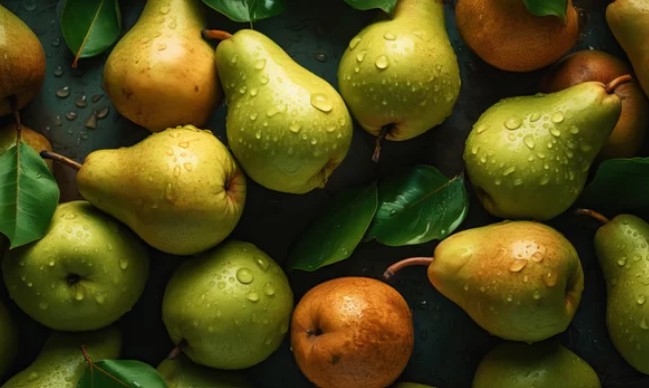
Pears
Juicy and fibre-rich pears support digestion, heart health and balanced blood sugar.Pears are treasured for their gentle sweetness, hydrating flesh and impressive nutritional benefits. Known for their soluble and insoluble fibre content, pears are especially valuable for gut and digestive health. They also contain a wealth of bioactive compounds such as flavonoids, phenolic acids and vitamin C, which contribute to immune defence, cardiovascular support and antioxidant protection.
As part of a varied diet, pears offer a low-glycaemic option for those seeking natural sweetness. They are also soothing to the digestive tract due to their pectin content and high water levels, making them particularly beneficial during digestive discomfort or after illness. Whether eaten fresh, baked or poached, they deliver both nourishment and culinary versatility.
Nutrition Table
| Nutrient/Compound | Amount per 100g | Benefits |
|---|---|---|
| Energy | 57 kcal | Low-calorie energy source |
| Carbohydrates | 15.2 g | Provides natural energy |
| Fibre | 3.1 g | Supports digestion and gut microbiota |
| Vitamin C | 4.3 mg | Immune support, skin health |
| Potassium | 119 mg | Heart health, blood pressure balance |
| Copper | 0.08 mg | Supports immunity, skin and nerves |
| Flavonoids and polyphenols | Present | Antioxidant and anti-inflammatory activity |
| Pectin | Significant | Prebiotic fibre for gut bacteria |
Benefits
- Support Digestive Health and Gut Microbiota
Pears are exceptionally rich in dietary fibre, especially pectin, which acts as a prebiotic feeding beneficial gut bacteria. A healthy gut microbiome is linked to improved digestion, reduced inflammation and better metabolic health.
- Contribute to Heart Health
Their soluble fibre helps lower cholesterol by binding to it in the digestive system. Their potassium content supports healthy blood pressure, while polyphenols reduce oxidative stress associated with cardiovascular disease.
- Boost Immunity
They provide vitamin C and antioxidant polyphenols, helping strengthen the immune system and protect cells against oxidative stress.
- Promote Healthy Skin
Their vitamin C, copper and antioxidants contribute to collagen production and skin repair, supporting a glowing, hydrated complexion.
- Help Stabilise Blood Sugar
Despite their natural sweetness, pears have a low glycaemic index thanks to their fibre content, which slows down sugar absorption. This helps maintain steady energy levels and supports metabolic balance.

How to Include Pears in Your Diet
Fresh as a hydrating snack with skin on for maximum fibre.
Slice into salads with walnuts and rocket.
Lightly poach with cinnamon for a gentle digestive dessert.
Add to porridge or yoghurt for natural sweetness.
Blend into smoothies with leafy greens and ginger.
Bake pears with oats and nuts for a wholesome treat.
Choose ripe pears for optimal sweetness and antioxidant levels.
Processing Effects
Raw – highest fibre and vitamin C.
Poached – fibre intact, slight vitamin C loss.
Dried – concentrated sugar and fibre, best in small amounts.
Juiced – most of the fibre is removed, so it’s less beneficial for gut health.
Canned – often contains added sugar – choose unsweetened varieties.
Scientific Backing
Gut and Digestive Health
A study published in Food & Function demonstrated that pear polyphenols and pectin promote gut microbial diversity and short-chain fatty acid production, improving digestive health and reducing inflammation.
Cholesterol Reduction
Soluble fibres like pectin have been shown to lower LDL cholesterol by binding to cholesterol molecules in the intestine and preventing absorption.
Antioxidant Protection
Pears contain chlorogenic acid and quercetin, antioxidants associated with lower oxidative stress and improved vascular function.
Metabolic Regulation
Research in Nutrition Journal showed that regular consumption improved blood sugar control and reduced inflammation markers in overweight adults.
Key Takeaways
Pears are a gentle, nourishing fruit that support digestive comfort, gut health and heart wellness. Their rich pectin content nourishes beneficial gut bacteria, while antioxidants and vitamin C help defend against oxidative damage.
Their low-glycaemic nature makes them suitable even for those watching blood sugar levels, and their versatility means pears can easily fit into sweet or savoury dishes. Enjoying them with the skin on and in minimally processed forms ensures maximum nutritional benefit.
Recommended Products

References/Sources
- USDA FoodData Central – Pears: https://fdc.nal.usda.gov
- Wu X et al. Food & Function (2023) – Pear polyphenols and gut microbiota https://doi.org/10.1039/D2FO03059H
- Soluble fibre and cholesterol review. Nutrients (2021) https://doi.org/10.3390/nu13082651
- Quercetin and vascular health. Journal of Agricultural and Food Chemistry (2018) https://doi.org/10.1021/acs.jafc.8b00281
- Pear consumption and metabolic benefits. Nutrition Journal (2019) https://doi.org/10.1186/s12937-019-0480-9
- Dr William Li — Eat to Beat Disease (2019)