
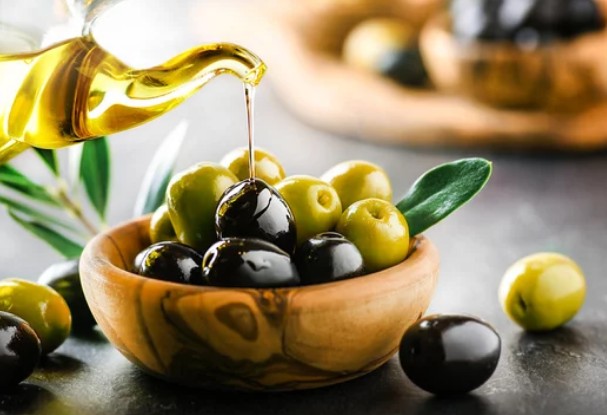
Olives
Rich in heart-healthy fats, antioxidants, and polyphenols, olives and olive oil support cardiovascular health, longevity, and cellular protection.Few foods capture the essence of the Mediterranean diet as elegantly as the olive. Revered as a symbol of peace, vitality, and abundance, the olive tree (Olea europaea) yields fruit, oil, and even leaves that brim with nutritional and medicinal value. Whether consumed as table olives, pressed into golden olive oil, or taken as olive leaf extract, this remarkable plant offers a dense concentration of beneficial monounsaturated fats, polyphenols, vitamins, and minerals.
Modern nutritional science has validated what ancient civilisations instinctively knew: regular consumption of olives and olive-derived products is linked to reduced inflammation, improved heart health, and greater longevity. These benefits stem largely from compounds such as oleic acid, hydroxytyrosol, and oleuropein, which together act as powerful antioxidants and protectors of vascular integrity.
Nutrition Table
| Nutrient/Compound | Amount per 100g | Benefits |
|---|---|---|
| Energy | 145 kcal | Provides healthy monounsaturated fat for sustained energy |
| Total Fat | 15.3 g | Predominantly oleic acid; supports heart health |
| Monounsaturated Fat | 11.3 g | Lowers LDL cholesterol and inflammation |
| Vitamin E | 3.8 mg | Antioxidant; protects cell membranes |
| Iron | 3.3 mg | Supports red blood cell formation |
| Calcium | 88 mg | Promotes bone strength |
| Polyphenols (e.g. oleuropein, hydroxytyrosol) | Varies (50–400 mg/kg) | Antioxidant and anti-inflammatory |
| Sodium (in brined olives) | 1.6 g | Electrolyte balance (limit for hypertension) |
Benefits
Support Heart and Artery Health
Olives and olive oil are rich in monounsaturated fats, particularly oleic acid, which has been shown to help lower LDL (bad) cholesterol and maintain HDL (good) cholesterol. The PREDIMED study—a major clinical trial in Spain—found that a Mediterranean diet enriched with extra virgin olive oil reduced cardiovascular risk by 30%. These fats also help maintain flexible arteries and reduce oxidative stress on blood vessel walls.
Potent Antioxidant and Anti-Inflammatory Effects
Compounds such as hydroxytyrosol, oleuropein, and tyrosol exhibit remarkable antioxidant activity. They neutralise free radicals and help inhibit chronic inflammation, which is associated with conditions such as atherosclerosis, arthritis, and neurodegenerative disease.
Support Brain Function and Cognitive Ageing
Olive polyphenols have been found to protect brain cells from oxidative stress and improve neuronal signalling. Research indicates that regular consumption of extra virgin olive oil can help preserve memory and reduce the risk of Alzheimer’s disease by modulating brain inflammation and amyloid plaque accumulation.
Promote Healthy Digestion and Gut Microbiota
The polyphenols in olives and olive oil can act as prebiotics, encouraging the growth of beneficial gut bacteria such as Lactobacillus and Bifidobacterium. These microbes enhance digestion, strengthen the immune system, and contribute to overall metabolic balance.
May Help Regulate Blood Sugar and Weight
Olive oil’s monounsaturated fats can improve insulin sensitivity and glucose control. Studies show that including olive oil in meals helps stabilise blood sugar levels and promotes satiety, potentially aiding in weight management.
Olive Leaf Extract for Immune and Vascular Health
Olive leaf extract, derived from the tree’s leaves, contains concentrated oleuropein, a polyphenol known for its antiviral, antibacterial, and vascular-protective effects. Clinical studies have shown it can help reduce blood pressure and oxidative stress markers, supporting the immune and cardiovascular systems.
Varieties of Olives and Notable Benefits
Different olive varieties vary in flavour, colour, and nutrient profile depending on their maturity and processing:
- Green Olives: Harvested before ripening, they have higher polyphenol content and a stronger, slightly bitter taste.
- Black Olives: Fully ripened, richer in oil content, and milder in flavour. They still retain key nutrients like vitamin E and oleic acid.
- Kalamata Olives: Dark purple with a robust flavour; high in anthocyanins and phenolic compounds.
- Manzanilla and Arbequina: Common table and oil varieties known for their mild, buttery taste and balanced fat profile.
- Nocellara del Belice: A prized Sicilian olive variety with exceptional antioxidant capacity.
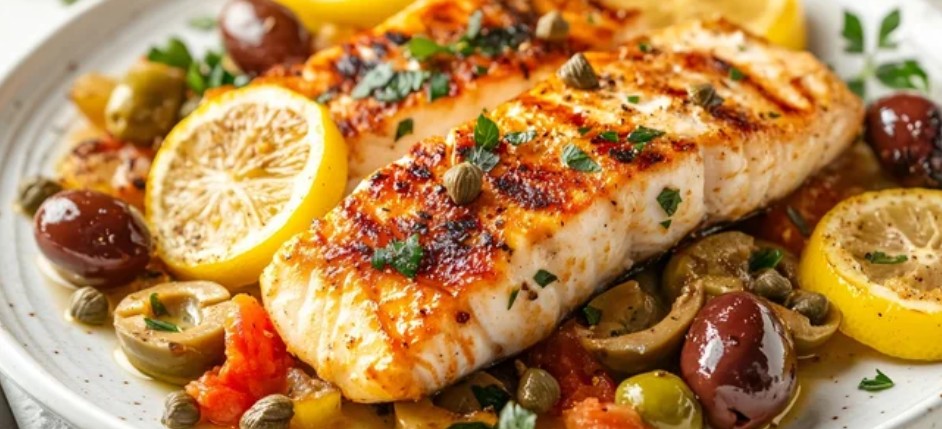
How to Include Olives in Your Diet
- Extra virgin olive oil – use it as a dressing for salads or drizzled over vegetables, soups, or grilled fish.
- Table olives – incorporate them into Mediterranean-inspired dishes such as Greek salads, tapenades, and pasta.
- Olive oil – add it to smoothies for a mild flavour boost and better absorption of fat-soluble nutrients.
- Olive leaf extract – (standardised to oleuropein) take it as a supplement for immune and vascular support.
- Avoid overheating olive oil – this can degrade beneficial polyphenols. Light sautéing or drizzling after cooking is ideal.
Olive Oil and How to Choose the Best
- Extra Virgin Olive Oil (EVOO): The highest grade, obtained by cold pressing without chemical solvents. It contains the full range of beneficial polyphenols and has the richest flavour.
- Cold-Pressed and Unfiltered Oils: Retain more antioxidants but should be consumed relatively quickly due to shorter shelf life.
- Refined or Light Olive Oil: Undergoes heat and chemical processing, reducing nutrient content. Better suited for high-heat cooking than raw use.
Buying Tips: Choose oils in dark glass bottles labelled “cold-pressed,” “extra virgin,” and ideally marked with a PDO (Protected Designation of Origin) or PGI certification. Look for a harvest date and keep bottles away from heat and light.
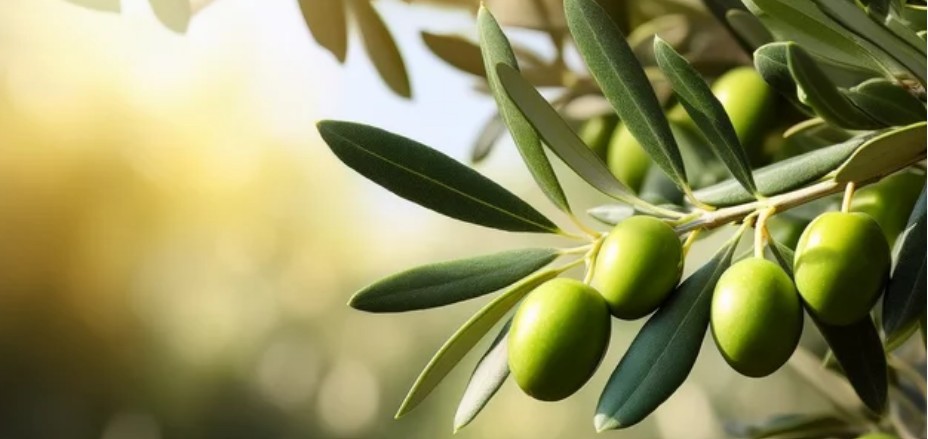
Scientific Backing
- PREDIMED Study (2013): Over 7,400 participants followed a Mediterranean diet supplemented with extra virgin olive oil (about 50 ml/day). Results showed a 30% reduction in major cardiovascular events (Estruch et al., New England Journal of Medicine).
- Lyon Diet Heart Study (1999): Demonstrated that diets rich in olive oil reduced cardiac recurrence rates in patients recovering from heart attacks.
- Hydroxytyrosol Research: Found to protect LDL cholesterol from oxidation and reduce markers of inflammation (EFSA Journal, 2011).
- Olive Leaf Extract Studies: A 2017 clinical trial (Lockyer et al., European Journal of Nutrition) showed olive leaf extract improved blood pressure and vascular function.
- Neuroprotective Evidence: Animal and human studies show oleuropein helps prevent neurodegeneration by combating oxidative stress and protein misfolding in the brain (Nutrients, 2019).
- Gut Health Research: Polyphenols in olive oil enhance gut microbial diversity, supporting metabolism and immunity (Frontiers in Microbiology, 2020).
Key Takeaways
Olives, olive oil, and olive leaf extract together form a nutritional powerhouse central to the Mediterranean diet’s proven health benefits. From heart and brain protection to immune support and healthy digestion, their effects stem from a synergy of monounsaturated fats, vitamin E, and potent polyphenols.
Choosing high-quality extra virgin olive oil and consuming olives regularly can provide lasting benefits for longevity and disease prevention—truly living up to the olive tree’s ancient reputation as a symbol of health and resilience.
Recommended Products

References/Sources
- Estruch R et al. (2013). “Primary Prevention of Cardiovascular Disease with a Mediterranean Diet.” New England Journal of Medicine. https://www.nejm.org/doi/full/10.1056/NEJMoa1200303
- de Lorgeril M et al. (1999). “Mediterranean Diet, Traditional Risk Factors, and the Rate of Cardiovascular Complications after Myocardial Infarction.” Circulation. https://doi.org/10.1161/01.CIR.99.6.779
- EFSA (2011). “Scientific Opinion on the Substantiation of Health Claims Related to Olive Oil Polyphenols.” EFSA Journal. https://doi.org/10.2903/j.efsa.2011.2033
- Lockyer S et al. (2017). “Impact of Olive Leaf Polyphenols on Cardiometabolic Risk Markers.” European Journal of Nutrition. https://doi.org/10.1007/s00394-016-1288-7
- Parkinson L et al. (2019). “The Neuroprotective Potential of Olive Polyphenols.” Nutrients. https://doi.org/10.3390/nu11102215
- Martín-Peláez S et al. (2020). “The Impact of Olive Oil on Gut Microbiota and Health.” Frontiers in Microbiology. https://doi.org/10.3389/fmicb.2020.00621
- Li, W. (2019). Eat to Beat Disease. Grand Central Publishing.