
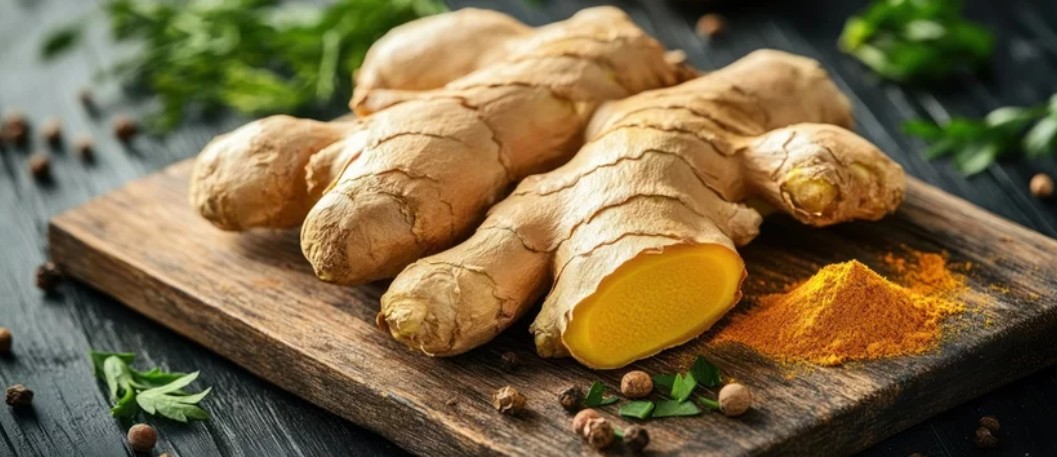
Ginger
Anti-inflammatory, gut-supporting, antioxidant super-root boosting digestion and immunity.Ginger (Zingiber officinale) has been used in traditional medicine and cooking for thousands of years, particularly in Asia, where it has long been valued for its warming properties, digestive support, and ability to fight sickness. Today, modern research confirms that ginger is not merely a flavour-enhancing spice — it is a profoundly functional food rich in beneficial compounds, including gingerols, shogaols, and zingerone.
These bioactive compounds provide powerful antioxidant and anti-inflammatory properties, help reduce nausea, support the immune system, and protect cardiovascular health. It may also support metabolic balance and assist in managing chronic inflammation — a key factor in many modern diseases.
With its bold aroma, slight heat, and versatility, it can easily be incorporated into teas, soups, stir-fries, juices, smoothies, baked goods, and even desserts. No matter how you choose to enjoy it, this rhizome offers a simple but potent way to enhance your health naturally.
Nutrition Table
| Nutrient/Compound | Amount per 100g | Benefits |
|---|---|---|
| Energy | 80 kcal | Low-calorie energy source |
| Carbohydrates | 17.8 g | Primary energy source |
| Fibre | 2 g | Supports digestion and gut health |
| Protein | 1.8 g | Tissue repair |
| Fat | 0.7 g | Minimal dietary fat |
| Vitamin C | 5 mg | Immune support, antioxidant |
| Vitamin B6 | 0.16 mg | Brain and metabolism function |
| Potassium | 415 mg | Heart and muscle function |
| Magnesium | 43 mg | Muscle and nerve support |
| Gingerols & Shogaols | Varies (bioactive compounds) | Anti-inflammatory, antioxidant |
Benefits
- Powerful Anti-Inflammatory Properties
Ginger contains gingerols — plant compounds that help reduce inflammation at the cellular level. Chronic inflammation is linked to arthritis, cardiovascular disease, and metabolic disorders, and it may help alleviate symptoms of osteoarthritis and muscular discomfort.
- Supports Digestive Health
Traditionally used to soothe the stomach, it promotes digestive enzyme activity, enhances gut motility, and helps relieve nausea, bloating, and indigestion. Its compounds can also assist with motion sickness and pregnancy-related nausea.
- Boosts Immune Function
Rich in antioxidants and antimicrobial compounds, it supports immunity and may help the body fight infections and inflammation. Warm ginger tea is often recommended for colds and seasonal flu.
- Cardiovascular Protection
Studies show that it may reduce LDL cholesterol, improve circulation, and help regulate blood pressure, all of which contribute to better heart health.
- Supports Metabolic Health
Emerging research suggests it may assist with blood sugar regulation, insulin sensitivity, and weight management, making it a supportive food for metabolic balance.

How to Include Almonds in Your Diet
Easy Ways to Use Ginger
Add fresh ginger to stir fries, soups, and curries for flavour enhancement
Slice into hot water or herbal tea
Add to smoothies with lemon and turmeric
Ginger-infused honey or ginger-lemon tea for sore throats
Grate it into salad dressings and marinades
Add powdered ginger to baking, oats, or yoghurt
Recipe Inspiration
Carrot and ginger soup
Asian-style ginger garlic stir-fry
Ginger-spiced butternut mash
Apple-ginger immune-boosting shot (with turmeric)
Pairings
Lemon, turmeric, honey, garlic, chilli, fresh herbs, coconut milk, carrots, sweet potato
Processing and Nutrient Impact
Fresh – has the highest gingerol content
Dried – contains more shogaols with stronger anti-inflammatory effects
Pickled – milder but still beneficial
Boiling for long periods reduces vitamin C
Ginger tea is excellent for nausea and digestion

Scientific Backing
Anti-inflammatory and Pain-Relief
A study in Osteoarthritis and Cartilage found that taking 2 g of ginger extract daily reduced knee pain in people with osteoarthritis compared with placebo. Gingerols and shogaols block inflammatory pathways in cells, promoting joint comfort and mobility.
Digestive and Anti-Nausea Support
Research shows that it can significantly reduce nausea and vomiting in pregnancy — 1 g per day has been shown effective with no adverse effects. It also helps relieve motion sickness and indigestion by enhancing gut motility.
Immune and Antioxidant Effects
It has been shown to increase antioxidant activity and decrease markers of inflammation such as C-reactive protein (CRP). Its antimicrobial compounds may help defend against infections.
Heart Health
A large population study found daily intake (0.5–1 g) was associated with lower risks of hypertension and coronary disease. It may reduce LDL cholesterol, improve circulation, and help prevent blood clotting.
Blood Sugar and Metabolic Support
A clinical trial showed that 2 g/day of ginger powder significantly improved fasting blood glucose and HbA1c in people with type 2 diabetes.
Key Takeaways
Ginger is a powerful functional food with a long history in traditional medicine and strong support from modern science. Rich in anti-inflammatory and antioxidant compounds, it supports digestion, immunity, heart health, and metabolic balance. Whether used fresh, dried, or as tea, adding it to your daily meals is a simple, natural way to improve overall health and reduce inflammation.
Versatile and flavourful, this pungent rhizome can be enjoyed in drinks, savoury dishes, juices, and even desserts — making it easy to incorporate into any diet. Consistent intake, even in small daily amounts, may provide meaningful health benefits.
Recommended Products

References/Sources
- Altman RD, Marcussen KC. (2001). Effects of ginger extract on knee pain in patients with osteoarthritis. Osteoarthritis Cartilage. https://doi.org/10.1053/joca.2000.0403
- Viljoen E et al. (2014). Ginger treatment for nausea and vomiting in pregnancy. BMC Complement Altern Med. https://doi.org/10.1186/1472-6882-14-321
- Mashhadi NS et al. (2013). Anti-inflammatory and antioxidant effects of ginger. Int J Prev Med. https://www.ncbi.nlm.nih.gov/pmc/articles/PMC3665023/
- Wang J et al. (2020). Association between ginger consumption and reduced risk of hypertension and CVD. J Nutr. https://doi.org/10.1093/jn/nxz294
- Arablou T et al. (2014). Ginger improves glucose metabolism in type 2 diabetes. Int J Food Sci Nutr. https://doi.org/10.3109/09637486.2014.950528
- USDA FoodData Central — Ginger, raw (100g). https://fdc.nal.usda.gov/
- Harvard School of Public Health — Ginger. https://www.hsph.harvard.edu/nutritionsource/food-features/ginger/
- Li, William. (2019). Eat to Beat Disease. Penguin Books.