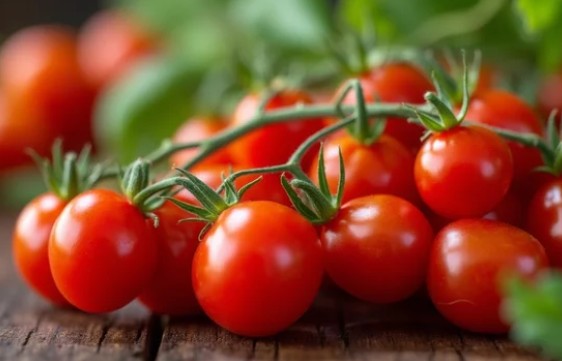
Tomatoes
Bright, antioxidant-rich tomatoes support heart health, protect skin, and may reduce inflammation and cancer risk.Tomatoes (Solanum lycopersicum) are one of the world’s most widely consumed fruits, celebrated for their vivid red hue, versatility, and exceptional nutritional value. Although commonly used as a vegetable, tomatoes are technically fruits belonging to the nightshade family (Solanaceae).
They are rich in essential nutrients such as vitamin C, potassium, folate, and vitamin K, as well as powerful phytochemicals like lycopene, beta-carotene, and flavonoids. These compounds have been extensively studied for their antioxidant, anti-inflammatory, and cardioprotective properties.
Tomatoes have been linked to reduced risk of heart disease, certain cancers, and skin damage from ultraviolet (UV) exposure. In addition, their low-calorie and high-water content make them an excellent food for hydration and weight management.
Nutrition Table
| Nutrient / Compound | Amount per 100g | Benefits |
|---|---|---|
| Calories | 18 kcal | Low energy food; supports weight management |
| Water | 95 g | Hydration and metabolic function |
| Protein | 0.9 g | Tissue maintenance |
| Fibre | 1.2 g | Supports gut health and digestion |
| Vitamin C | 14 mg | Immune support; collagen formation |
| Vitamin K1 | 7.9 µg | Bone health; blood clotting |
| Folate (B9) | 15 µg | DNA synthesis and repair |
| Potassium | 237 mg | Blood pressure regulation |
| Lycopene | 3,000–9,000 µg | Antioxidant; supports heart and skin health |
| Beta-Carotene | 449 µg | Precursor to vitamin A; supports vision |
| Lutein + Zeaxanthin | 123 µg | Eye protection from oxidative stress |
Benefits
- Support Heart Health
Tomatoes are a natural source of lycopene, a red carotenoid pigment that helps lower LDL (bad) cholesterol and blood pressure. A 2012 meta-analysis in the European Journal of Nutrition found that higher tomato and lycopene intake was associated with a 26% lower risk of heart disease (Cheng et al., 2012). The potassium in them also helps maintain healthy blood pressure and fluid balance.
- Promote Skin Health
The combination of lycopene, beta-carotene, and vitamin C supports collagen production and protects against UV-induced skin damage. A study in The British Journal of Dermatology (Stahl et al., 2001) found that participants who consumed tomato paste daily showed 33% greater protection against sunburn compared to a control group.
- Reduce Cancer Risk
Lycopene is one of the most potent antioxidants known to neutralise free radicals that damage DNA. Multiple studies link high tomato consumption with a reduced risk of prostate, breast, and lung cancers. A Harvard study (Giovannucci, 2002) reported that men who ate tomato products more than twice per week had a 34% lower risk of prostate cancer.
- Support Eye Health
They contain lutein and zeaxanthin—carotenoids that accumulate in the retina and protect against age-related macular degeneration (AMD). Vitamin A from beta-carotene also helps maintain clear vision in low light.
- Aid Digestion and Gut Health
The tomato is a good source of dietary fibre (1.2 g per 100 g), which supports digestion and healthy bowel movements. Its natural acidity also helps stimulate stomach secretions, aiding in nutrient absorption.
- Anti-Inflammatory and Antioxidant Effects
Flavonoids such as quercetin and naringenin contribute to tomatoes’ anti-inflammatory effects. Studies show that these compounds reduce oxidative stress markers in the bloodstream, promoting better metabolic health.
Varieties of Tomatoes and Their Benefits
There are hundreds of tomato varieties worldwide, differing in size, colour, and nutrient profile.
- Red
Richest in lycopene; ideal for heart and skin health. - Yellow and Orange
Contain more beta-carotene and lutein, supporting eye and immune health. - Green
Higher in chlorophyll and tomatine, which may have antimicrobial properties. - Purple and Black
Contain anthocyanins—potent antioxidants known to reduce oxidative stress and inflammation. - Cherry
Slightly higher sugar content but rich in vitamin C and phenolic acids, making them excellent for snacking.
Cooking red tomatoes with olive oil improves lycopene bioavailability—a reason Mediterranean diets are associated with cardiovascular longevity.

How to Include Tomatoes in Your Diet
- Fresh: Add to salads, wraps, or sandwiches.
- Cooked: Simmer into sauces or soups; cooking increases lycopene absorption.
- Roasted: Enhances sweetness and antioxidant potency.
- Juiced: A refreshing, low-calorie drink providing hydration and nutrients.
- With Fats: Pair with olive oil, avocado, or nuts to boost carotenoid absorption.
- Canned or Sun-dried: These forms are more concentrated in lycopene but may contain added sodium—opt for low-salt varieties.

Scientific Backing
Several peer-reviewed studies highlight the strong connection between tomato consumption and human health:
- Heart Health: Lycopene has been found to improve endothelial function and reduce oxidative damage. A 2020 review in Nutrients confirmed that lycopene supplementation of 15 mg per day reduced systolic blood pressure by an average of 4.6 mmHg (Li et al., 2020).
- Cancer Prevention: The carotenoids and phenolic compounds in tomatoes may suppress tumour growth. Research in Molecular Nutrition & Food Research (Tomas et al., 2017) showed that lycopene inhibited cancer cell proliferation in vitro.
- Skin Protection: The British Journal of Nutrition reported that tomato-based products containing lycopene improved skin texture and reduced UV-induced erythema after 12 weeks (Rizwan et al., 2011).
- Diabetes Management: A study in Plant Foods for Human Nutrition (Thakur et al., 2021) found that tomato polyphenols help regulate fasting glucose and lipid metabolism.
Key Takeaways
Tomatoes are one of the most nutritionally valuable and versatile foods in the human diet. Their rich combination of carotenoids, vitamins, and phenolic compounds offers protective effects against cardiovascular disease, inflammation, and certain cancers.
Whether eaten raw, cooked, or blended into sauces, they provide a potent dose of antioxidants that contribute to longevity and cellular health. For optimal benefits, combine them with healthy fats and include both fresh and cooked varieties in your meals.
Recommended Products

References/Sources
- Cheng, H. et al. (2012). Tomato consumption and risk of cardiovascular disease: A meta-analysis. European Journal of Nutrition, 51(5): 481–488. https://doi.org/10.1007/s00394-011-0239-6
- Stahl, W. et al. (2001). Tomato paste supplementation protects against UV-induced erythema in humans. British Journal of Dermatology, 144(2): 275–280. https://doi.org/10.1046/j.1365-2133.2001.04002.x
- Giovannucci, E. (2002). A review of epidemiologic studies of tomatoes, lycopene, and prostate cancer. Experimental Biology and Medicine, 227(10): 852–859. https://pubmed.ncbi.nlm.nih.gov/12424325/
- Li, X. et al. (2020). Effect of lycopene supplementation on blood pressure: A systematic review. Nutrients, 12(5): 1221. https://doi.org/10.3390/nu12051221
- Tomas, M. et al. (2017). Anticancer potential of lycopene: Molecular mechanisms and therapeutic applications. Molecular Nutrition & Food Research, 61(11): 1700588. https://doi.org/10.1002/mnfr.201700588
- Rizwan, M. et al. (2011). Tomato-based carotenoids protect against UV-induced skin ageing. British Journal of Nutrition, 105(2): 263–270. https://doi.org/10.1017/S0007114510003675
- Thakur, B. et al. (2021). Tomato polyphenols and their role in glucose metabolism and lipid regulation. Plant Foods for Human Nutrition, 76(3): 320–328. https://doi.org/10.1007/s11130-021-00925-8
- Li, W. (2019). Eat to Beat Disease: The New Science of How Your Body Can Heal Itself. Grand Central Publishing. https://drwilliamli.com/eat-to-beat-disease/