
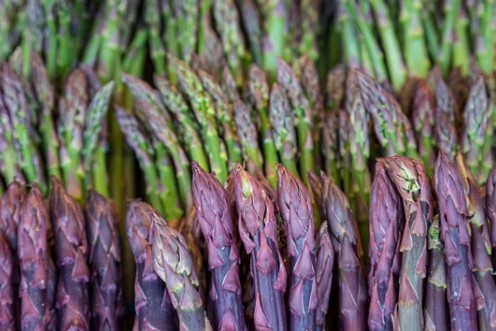
Asparagus
Loaded with antioxidants and prebiotic fibre, asparagus supports gut, heart, and metabolic health.Asparagus (Asparagus officinalis) is one of the most nutrient-dense spring vegetables, valued for its delicate flavour, low calorie count, and impressive array of vitamins, minerals, and phytonutrients. Known for its medicinal qualities, it has long been regarded as a natural diuretic and detoxifying food.
Modern nutritional science confirms that asparagus contributes to gut health, cardiovascular function, and immune support. It is packed with fibre, folate, vitamin K, and a unique prebiotic compound called inulin, which supports beneficial gut bacteria. It also provides a rich supply of flavonoids such as quercetin, kaempferol, and rutin, known for their antioxidant and anti-inflammatory effects.
Nutrition Table
| Nutrient/Compound | Amount per 100g | Benefits |
|---|---|---|
| Energy | 20 kcal | Low in calories, suitable for weight balance |
| Protein | 2.2 g | Supports muscle and tissue repair |
| Carbohydrates | 3.9 g | Provides slow-release energy |
| Dietary Fibre | 2.1 g | Supports gut microbiome and digestion |
| Folate (Vitamin B9) | 52 µg | Essential for cell division and pregnancy health |
| Vitamin K | 41.6 µg | Promotes bone and cardiovascular health |
| Vitamin C | 5.6 mg | Boosts immunity and collagen formation |
| Potassium | 202 mg | Helps maintain normal blood pressure |
| Asparagine | – | Natural diuretic supporting kidney function |
| Inulin | ~2–3 g | Prebiotic that promotes healthy gut bacteria |
| Rutin and Quercetin | Variable | Antioxidants with anti-inflammatory effects |
| Glutathione | High | Powerful antioxidant aiding detoxification |
Benefits
- Promotes Gut Health
Asparagus is a natural source of inulin, a type of prebiotic fibre that nourishes beneficial bacteria such as Bifidobacteria and Lactobacillus. This promotes a healthy gut microbiome, which supports digestion, immune function, and nutrient absorption. Research has shown that inulin enhances short-chain fatty acid production, helping maintain the intestinal barrier and reducing inflammation.
- Supports Heart Health
The combination of potassium, folate, and antioxidants contributes to cardiovascular well-being. Folate helps regulate homocysteine levels — a compound associated with heart disease when elevated — while potassium aids in maintaining healthy blood pressure. Polyphenols such as rutin and quercetin have been linked to improved endothelial function and reduced arterial stiffness.
- Aids Detoxification and Kidney Function
It has mild diuretic properties due to its high content of asparagine, an amino acid that supports kidney function and promotes the excretion of excess salts. This makes it beneficial for maintaining fluid balance and reducing bloating.
- Enhances Cellular and Metabolic Health
Asparagus is rich in antioxidants, including vitamin C, glutathione, and flavonoids that help combat oxidative stress. Glutathione, in particular, plays a vital role in neutralising free radicals, supporting liver detoxification, and maintaining immune resilience.
- Supports Pregnancy and Brain Health
A single serving provides nearly half the recommended daily intake of folate, essential for DNA synthesis, red blood cell formation, and foetal development. Folate also contributes to neurotransmitter regulation and cognitive health, making asparagus a brain-supportive food for all ages.

How to Include Asparagus in Your Diet
- Steam or lightly roast to preserve antioxidants and vitamins.
- Add to salads or grain bowls for extra fibre and flavour.
- Blend into soups for a creamy, low-calorie option.
- Pair with olive oil or lemon juice — these enhance the absorption of fat-soluble vitamins.
- Avoid overcooking, as excessive heat reduces vitamin C and folate content.
Incorporate purple or white asparagus varieties for phytonutrient diversity — purple types have more anthocyanins, while white spears are milder and easier to digest.
Scientific Backing
- Gut Health & Prebiotics:
A study in Food Chemistry (2018) found that asparagus-derived inulin significantly increases beneficial gut bacteria populations, enhancing digestive and immune function (Zhao et al., 2018). - Antioxidant Protection:
Researchers from the Journal of Agricultural and Food Chemistry (2017) reported that asparagus contains high levels of rutin and quercetin, which neutralise reactive oxygen species and protect DNA from oxidative damage. - Cardiovascular Benefits:
In a 2020 review published in Nutrients, its polyphenols were shown to improve endothelial function and reduce LDL oxidation, both key mechanisms in preventing atherosclerosis. - Anti-inflammatory Effects:
Experimental research published in Plant Foods for Human Nutrition (2019) demonstrated that asparagus extracts inhibit pro-inflammatory cytokines and may contribute to reduced risk of chronic inflammatory diseases. - Detoxification Support:
A 2016 clinical review highlighted the role of glutathione-rich foods like asparagus in promoting liver detoxification and reducing oxidative stress biomarkers (Miyake et al., 2016).
Key Takeaways
Asparagus is a nutrient-dense vegetable with benefits spanning digestive health, detoxification, and cardiovascular support. Its high inulin content strengthens the gut microbiome, while antioxidants like quercetin and glutathione combat cellular ageing. Regular inclusion in your diet can help balance inflammation, support metabolism, and contribute to long-term vitality.
Whether steamed, roasted, or served fresh, asparagus is an elegant and functional addition to a balanced, plant-rich diet.
Recommended Products

References/Sources
- Zhao, R. et al. (2018). “Effect of asparagus inulin on intestinal microbiota.” Food Chemistry, 253: 1–6. https://doi.org/10.1016/j.foodchem.2018.01.100
- Hromadkova, Z. et al. (2019). “Anti-inflammatory potential of asparagus polysaccharides.” Plant Foods for Human Nutrition, 74(1): 45–52. https://pubmed.ncbi.nlm.nih.gov/30402968/
- Kim, M. J. et al. (2017). “Polyphenol content and antioxidant activity in asparagus.” Journal of Agricultural and Food Chemistry, 65(3): 682–689. https://pubs.acs.org/doi/10.1021/acs.jafc.6b04780
- Miyake, M. et al. (2016). “Glutathione and detoxification in liver health.” Clinical Nutrition, 35(5): 1110–1116. https://doi.org/10.1016/j.clnu.2015.09.015
- USDA FoodData Central – Asparagus, raw. https://fdc.nal.usda.gov/fdc-app.html#/food-details/1102090/nutrients