Phytonutrients
Where food meets science—for a healthier you.
Phytonutrients are bioactive compounds naturally found in plants, with their types and concentrations varying from one plant to another. The most predominant classes include terpenoids, polyphenols, phenolic constituents, alkaloids, carotenoids, phytosterols, saponins, and fibres. These compounds support human health in many ways—by providing antioxidant protection, influencing cell differentiation, supporting DNA repair, aiding detoxification enzymes, encouraging healthy cell turnover, and helping regulate inflammation and proliferation.
Researchers have already identified around 10,000 phytonutrients, though estimates suggest there may be anywhere between 50,000 and 130,000 in total, with many still unknown. For this reason, this section focuses on the major, well-identified families of phytonutrients: terpenes, chlorophylls, polyphenols, organosulfur compounds, alkaloids, and phytosterols. To make these easier to understand, this section also highlights their key compounds, common food sources, and known biological actions. See our diagram below for a visual overview of these families and their subtypes.
For centuries, civilisations around the world have used plant-based foods for health benefits, though only in recent decades has science begun to validate these traditional practices with in vivo studies. As with all nutrition, moderation and variety are key. Eating a wide spectrum of plant-based foods is the safest and most effective way to harness phytonutrients, and when in doubt, it’s always best to consult a qualified professional.
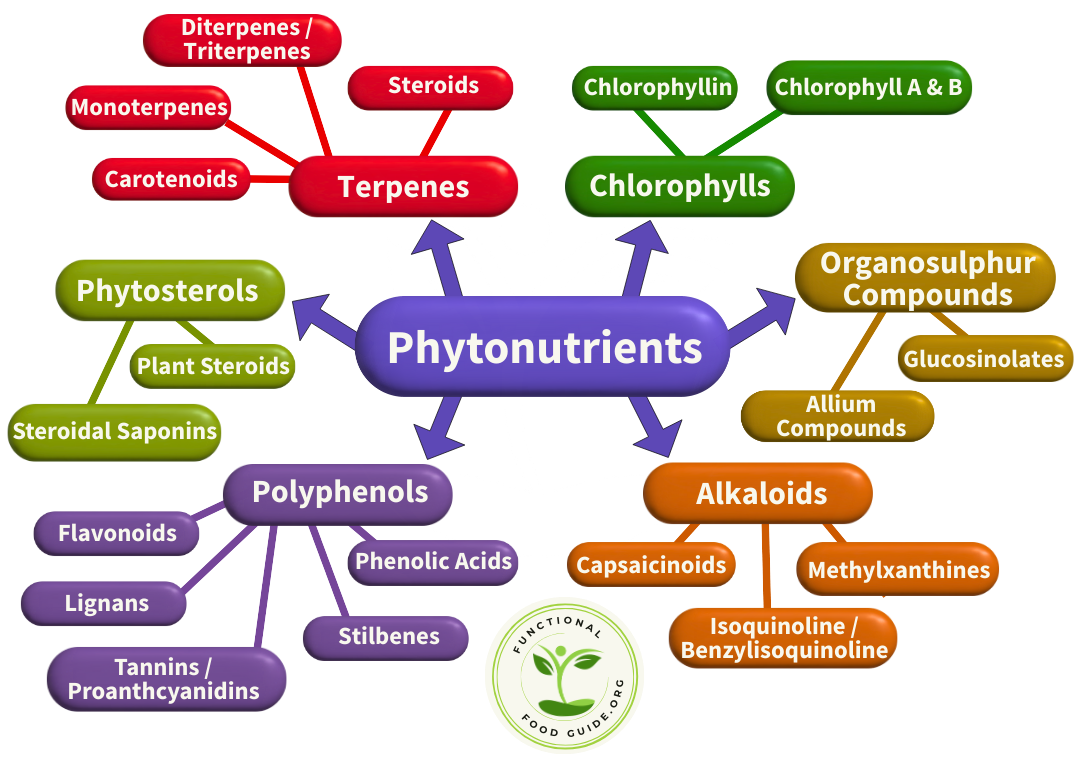
TERPENES (Terpenoids)
SUBTYPES
- Carotenoids (α-/β-carotene, lycopene, lutein, zeaxanthin, astaxanthin)
- Monoterpenes / sesquiterpenes (limonene, pinene, linalool)
- Diterpenes / triterpenes (ginsenosides, saponins)
KEY COMPOUNDS
- Beta-carotene
- Lycopene
- Lutein
- Astaxanthin
- Limonene
- Ginsenosides
- Saponins
COMMON FOOD SOURCES
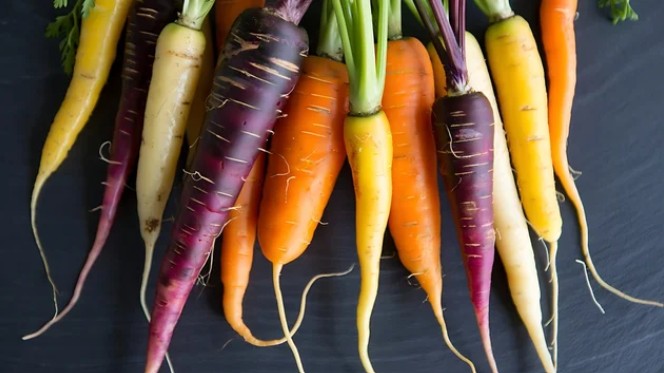
- Carotenoids: carrots, sweet potato, pumpkin, tomatoes, watermelon, red peppers, spinach, kale, seafood (astaxanthin in salmon/shrimp)
- Limonene/linalool: citrus peel, herbs (rosemary, thyme), mint, lavender aroma compounds
- Saponins and triterpenes: legumes (soy, chickpeas), quinoa, fenugreek, ginseng
TYPICAL BIOLOGICAL ACTIONS
- Antioxidant support
- Vision and eye health (lutein/zeaxanthin)
- Cellular protection
- May modulate inflammatory pathways and membrane signalling.
CHLOROPHYLLS
SUBTYPES
- Chlorophyll a, chlorophyll b (natural green pigments)
- Chlorophyllin (water-soluble derivative used as supplement/food colour)
KEY COMPOUNDS
- Chlorophyll molecules and their magnesium-porphyrin core
COMMON FOOD SOURCES
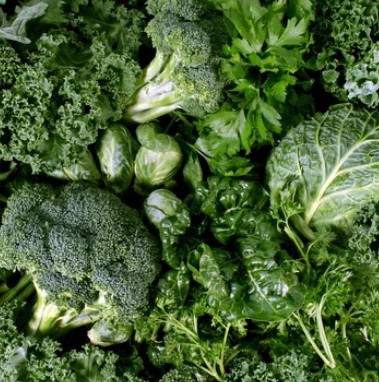
- Leafy greens: spinach, kale, collards, swiss chard
- Green herbs (parsley, cilantro)
- Algae (chlorella, spirulina)
TYPICAL BIOLOGICAL ACTIONS
- Associated with antioxidant activity
- Supports general cellular function and “green” nutrient density
- Used as a marker of leafy-green intake.
POLYPHENOLS (including phenolic constituents)
SUBTYPES
- Flavonoids: flavonols (quercetin, kaempferol), flavones (apigenin), flavanones (hesperidin), flavanols/catechins (EGCG), anthocyanins (cyanidin, delphinidin), isoflavones (genistein)
- Phenolic acids: hydroxycinnamic acids (caffeic, ferulic), hydroxybenzoic acids (gallic)
- Tannins / proanthocyanidins (wine, cocoa, berries)
- Stilbenes (resveratrol)
- Lignans (secoisolariciresinol in flaxseed)
KEY COMPOUNDS
- Quercetin
- EGCG
- Resveratrol
- Ferulic acid
- Gallic acid
- Anthocyanins
- Lignans
COMMON FOOD SOURCES
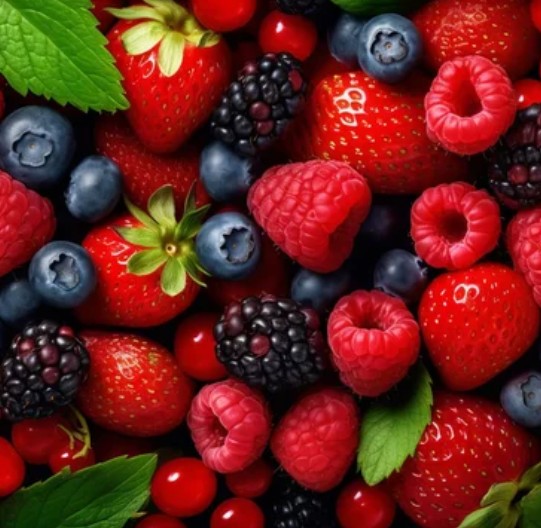
- Berries
- Grapes
- Red wine
- Tea (green/black)
- Cocoa/dark chocolate
- Apples
- Onions
- Citrus peel
- Coffee
- Whole grains
- Flaxseed
- Nuts
TYPICAL BIOLOGICAL ACTIONS
- Broad antioxidant activity
- Modulation of inflammatory signalling
- Cardiovascular support markers
- Influence on cell signalling and gene expression
- Many polyphenols also interact with the gut microbiome.
ORGANOSULFUR COMPOUNDS
SUBTYPES
- Allium compounds: allicin, diallyl sulfide (garlic, onions, leeks)
- Glucosinolates → Isothiocyanates/Indoles (cruciferous vegetables: glucoraphanin → sulforaphane; indole-3-carbinol → DIM)
KEY COMPOUNDS
- Allicin (garlic)
- Sulforaphane (broccoli sprouts)
- Indole-3-carbinol (cabbage)
- Allyl sulfides
COMMON FOOD SOURCES
- Garlic
- Onions
- Leeks
- Shallots
- Cruciferous vegetables (broccoli, Brussels sprouts, kale, cabbage)
- Mustard greens
- Horseradish
TYPICAL BIOLOGICAL ACTIONS
- Support for phase II detoxification enzyme pathways
- Influence on inflammatory signalling
- Sulphur-dependent biochemistry
- These are strong bioactives that affect cellular responses.
ALKALOIDS
SUBTYPES
- Methylxanthines (caffeine, theobromine)
- Isoquinoline / benzylisoquinoline alkaloids (berberine)
- Capsaicinoids (capsaicin — technically a vanilloid alkaloid)
KEY COMPOUNDS
- Caffeine
- Theobromine
- Berberine
- Capsaicin
COMMON FOOD SOURCES
- Coffee
- Tea
- Cacao (dark chocolate)
- Chili peppers
- Barberry/berberis (berberine sources)
- Black pepper (piperine is an alkaloid-related bioenhancer)
TYPICAL BIOLOGICAL ACTIONS
- Stimulant effects (caffeine)
- Modulation of metabolism and microbiome (berberine)
- Sensory/thermogenic effects (capsaicin)
- Effects on signalling pathways.
PHYTOSTEROLS (Plant Sterols & Steroidal Saponins)
SUBTYPES
- Plant sterols: beta-sitosterol, campesterol, stigmasterol
- Steroidal saponins/glycosides (found in many medicinal herbs/some legumes)
KEY COMPOUNDS
- Beta-sitosterol
- Stigmasterol
COMMON FOOD SOURCES
- Nuts (almonds, walnuts)
- Seeds (sesame, sunflower)
- Vegetable oils (olive, canola)
- Avocados
- Legumes
- Whole grains
TYPICAL BIOLOGICAL ACTIONS
- Influences intestinal absorption of dietary cholesterol (food-level phytosterols are associated with modest reductions in LDL markers in some studies)
- Support for membrane function.