
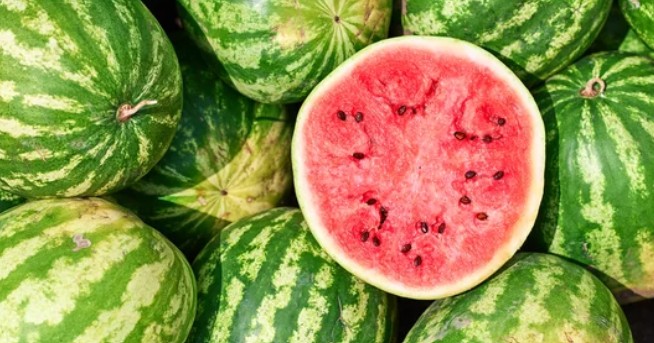
Watermelon
Hydrating, heart-friendly, antioxidant-rich fruit supporting circulation, skin health, and recovery.Watermelon (Citrullus lanatus) is more than a refreshing summer fruit — it is a nutritional powerhouse. With over 90% water content, it is naturally hydrating and delivers essential vitamins, minerals, and phytonutrients that support heart health, circulation, skin function, and recovery.
A standout compound is L-citrulline, a natural amino acid that assists nitric oxide production — improving blood flow, lowering blood pressure, and enhancing exercise performance. It is also rich in lycopene and beta-carotene, two carotenoid antioxidants known for their roles in cardiovascular support and cellular protection.
Despite its sweet taste, it has a low energy density and contains natural electrolytes, making it a refreshing, nutrient-dense food for hydration and wellness.
Nutrition Table
| Nutrient/Compound | Amount per 100g | Benefits |
|---|---|---|
| Water | 91 g | Hydration, electrolyte balance |
| Energy | 30 kcal | Low-calorie hydration |
| Carbohydrate | 7.6 g | Natural energy |
| Fibre | 0.4 g | Digestive health |
| Vitamin C | 8.1 mg | Immune support, skin collagen |
| Vitamin A (beta-carotene) | 28 µg | Eye and skin health |
| Potassium | 112 mg | Electrolyte, muscle and heart function |
| Magnesium | 10 mg | Muscle and nerve function |
| L-Citrulline | ~250 mg | Blood flow, exercise recovery |
| Lycopene | 4.5 mg | Antioxidant, heart and skin health |
Benefits
- Heart and Circulation Support
Watermelon contains L-citrulline, which helps relax blood vessels and improve blood flow. This can support healthy blood pressure and cardiovascular health, especially in active individuals and older adults.
- Superior Hydration and Electrolytes
With 91% water, potassium, magnesium, and amino acids, watermelon is a natural hydration source that replenishes fluids, supports nerve function, and helps maintain muscle balance.
- Skin, Eye and Cellular Health
The fruit’s lycopene and beta-carotene help protect cells from oxidative stress, support healthy skin, and promote eye health, especially against UV-related oxidative stress.
- Exercise Recovery and Reduced Muscle Soreness
Watermelon juice has been shown to assist muscle recovery and reduce soreness due to its amino acid content and electrolyte profile — making it a smart post-workout food.
- Promotes Skin Hydration and Elasticity
It helps maintain skin moisture from the inside out, supporting a plumper, more radiant complexion. It is also a natural source of lycopene, vitamin C, and beta-carotene, all of which play crucial roles in reducing oxidative stress caused by UV exposure and environmental factors. Vitamin C supports collagen formation, essential for firm and youthful-looking skin, while lycopene has been shown to help protect skin cells from free-radical damage and inflammation.
- Anti-inflammatory and Antioxidant Effects
Watermelon contains lycopene, cucurbitacin E, and polyphenols, which contribute to anti-inflammatory responses and cellular protection.

How to Include Watermelon in Your Diet
Practical ways to enjoy watermelon:
Fresh slices or cubes as a refreshing snack
Blended into smoothies or juices
Added to salads with mint, cucumber, and feta cheese
Frozen into natural fruit popsicles
Blended into a hydrating post-workout drink
Grilled and served with balsamic vinegar and herbs
Tips for preserving nutritional value
Fresh – preserves vitamin C and amino acid content best.
Juicing – increases L-citrulline bioavailability but reduces fibre.
Chilling before serving enhances antioxidant flavour compounds.
Avoid prolonged storage, which gradually reduces vitamin C levels.

Scientific Backing
Blood Pressure Stabiliser
A study published in American Journal of Hypertension found that watermelon extract significantly reduced systolic and diastolic blood pressure in adults with prehypertension through improved arterial function and nitric oxide availability.
Antioxidant and Anti-inflammatory Effects
Watermelon’s lycopene content acts as a protective antioxidant. Research in Nutrients highlights lycopene’s role in reducing oxidative stress and inflammation while promoting cardiovascular health.
Exercise Recovery and Reduced Muscle Soreness
A clinical trial in Journal of Agricultural and Food Chemistry found that consuming watermelon juice improved muscle recovery and reduced post-exercise soreness due to L-citrulline’s effect on blood flow and lactate metabolism.
Hydration and Electrolyte Support
A review in Nutrients (2022) notes watermelon as a hydration-rich food containing natural electrolytes like potassium and magnesium, supporting fluid balance and muscle function.
Key Takeaways
Watermelon is a hydrating, nutrient-dense fruit that offers cardiovascular support, exercise recovery benefits, immune defence, and antioxidant protection. Its unique L-citrulline and lycopene content makes it more than just a refreshing snack — it supports circulation, muscle recovery, and overall vitality.
Including watermelon regularly — fresh, blended, or as part of savoury dishes — can be a delicious and natural way to boost hydration, protect cells, and promote heart and skin health.
Recommended Products

References/Sources
- Figueroa, A. et al. (2012). American Journal of Hypertension. Watermelon supplementation reduces blood pressure. https://doi.org/10.1038/ajh.2012.20
- Zhang, J. et al. (2021). Lycopene and cardiovascular health. Nutrients. https://doi.org/10.3390/nu13010017
- Tarazona-Domínguez, A. et al. (2014). Watermelon juice and muscle recovery. Journal of Agricultural and Food Chemistry. https://doi.org/10.1021/jf404213r
- USDA FoodData Central — Watermelon, raw. https://fdc.nal.usda.gov/
- Chandra, K. et al. (2022). Hydration and fruit-based electrolytes. Nutrients. https://doi.org/10.3390/nu14010111
- Dr William Li (2024). Eat to Beat Disease. HarperCollins.