Turmeric
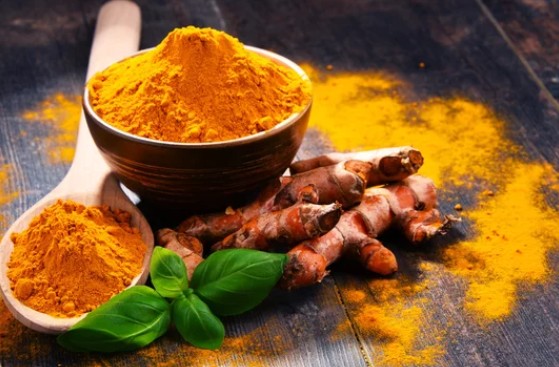
Anti-inflammatory, antioxidant and metabolic support.Turmeric is derived from the root of the Curcuma longa plant. Its vivid golden-yellow colour, warm flavour and rich aroma signal more than just a spice — it is now recognised as a functional food offering profound nutritional and therapeutic potential. Its power lies in the compound curcumin (and other curcuminoids), which scientific research links to anti-inflammatory, antioxidant, metabolic and cellular-defence benefits.
While adding turmeric to your diet will not replace medications or treat serious disease on its own, consistent inclusion can support long-term wellness. In the sections ahead, we’ll explore major benefits, look at a nutrition table, examine scientific backing, show practical ways to include it in your diet, and summarise key takeaways.
Nutrition Table
| Nutrient/Compound | Amount per 100 g | Benefits |
|---|---|---|
| Energy | ≈ 1,255 kJ (300 kcal) | Energy-dense spice, small dose needed |
| Carbohydrates | ≈ 64 g | Slow-release energy and phytonutrients |
| Protein | ≈ 7.8 g | Minor but useful in spice mix |
| Fat | ≈ 9.9 g | Accompanies fat-soluble curcuminoids |
| Dietary Fibre | ≈ 21 g | Feeds gut bacteria, supports digestion |
| Curcumin (curcuminoids) | Variable (≈ 2–5 g depending on extract) | Primary bioactive; anti-inflammatory and antioxidant |
| Iron | ≈ 55 mg | Supports red-blood-cell function (in small portion) |
Benefits
- Strong Anti-Inflammatory and Antioxidant Support
It is rich in curcumin, which helps block inflammatory pathways (like NF-κB) and boosts the body’s antioxidant enzyme systems. This means less oxidative damage, lower inflammation and healthier cells.
- Metabolic Health and Blood-Sugar Balancing
Studies suggest that it may help regulate blood glucose, support lipid profiles and improve markers of metabolic syndrome — making it useful for those focusing on metabolic wellness.
- Joint and Musculoskeletal Support
Evidence from clinical trials shows turmeric/curcumin can reduce pain and improve function in osteoarthritis and other joint-inflammatory conditions – often with fewer side effects than non-steroidal anti-inflammatory drugs (NSAIDs).
- Cellular Protection and Detoxification
Curcumin activates detoxification pathways, supports liver health and has been shown in preclinical models to suppress certain cancer-related mechanisms—suggesting long-term protective potential.
- Immune and Gut-Microbiome Support
Turmeric acts on gut health by altering microbiome composition and improving intestinal barrier function. It also supports immune regulation thanks to its phytochemical content.
How to Include Turmeric in Your Diet
Golden-milk latte: warm milk (or plant-milk) with ½ tsp turmeric, pinch black pepper (increases absorption via piperine), and a dash of cinnamon.
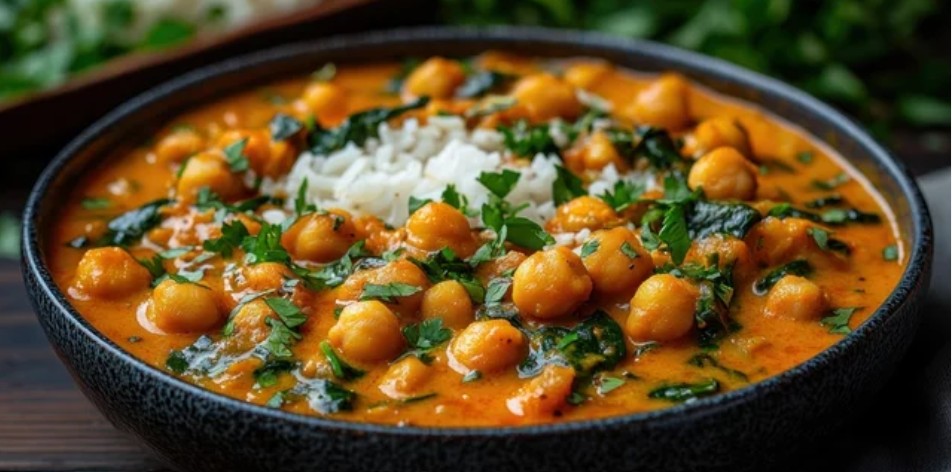
Curries and stews: add 1–2 tsp of turmeric powder early in cooking to allow flavour and compounds to release.
Roasted vegetables: toss cauliflower, sweet potato or carrots with olive oil and 1 tsp turmeric before roasting.
Smoothies: ½ tsp turmeric + ¼ tsp black pepper + a fat source (avocado/nut-butter) + banana/berries for absorption.
Working with extracts: If using supplements, choose formulations with proven bioavailability (e.g., with piperine or phospholipids) and consult a healthcare provider if on medications or with health conditions.
Processing note: Both heat and fat improve curcumin absorption, and combining with black pepper or healthy oils helps. Plain turmeric powder in water has much lower bioavailability. If using high-dose supplements, safety monitoring is advised.

Scientific Backing
- A comprehensive review published in Curcumin & Health Outcomes found moderate evidence that turmeric/curcumin reduces pain and improves physical function in osteoarthritis.
- A narrative review in Nutrition Today discussed human trials showing turmeric extracts improved markers of type 2 diabetes, metabolic syndrome and inflammation, with doses often around 500–2,000 mg/day.
- A meta-review in Frontiers in Pharmacology described how curcumin modulates multiple signalling pathways involved in inflammation, oxidative stress, detoxification and cell survival.
- The Linus Pauling Institute notes that curcumin has been shown to possess anti-inflammatory and anticancer activity, though bioavailability remains a challenge.
- According to the Harvard Health blog, turmeric is associated with anti-inflammatory, anticancer, antidiabetic, antimicrobial effects — but many studies are small and depend on formulations that enhance absorption.
Key Takeaways
Turmeric is a highly functional spice: small doses deliver meaningful bioactive compounds like curcumin that support inflammation regulation, antioxidant defence, metabolic function, joint health, and even cellular detoxification pathways. While you won’t get the effects of high-dose pharmaceutical extracts from a dash of golden spice alone, making it a regular part of your diet can contribute to long-term wellness and resilience.
For maximum benefit, pair it with healthy fats, black pepper and whole food meals. Used consistently in balanced diets, it helps to move your nutrition beyond basics to functional support.
Recommended Products

References/Sources
- Hewlings, S.J., & Kalman, D.S. (2017). Curcumin: A Review of Its’ Effects on Human Health. Foods, 6(10), 92. https://doi.org/10.3390/foods6100092 — https://www.ncbi.nlm.nih.gov/pmc/articles/PMC5664031/
- Prasad, S., et al. (2023). Impacts of Turmeric and Its Principal Bioactive Curcumin on Human Health. Frontiers in Nutrition. https://doi.org/10.3389/fnut.2022.1040259 — https://www.ncbi.nlm.nih.gov/pmc/articles/PMC9881416/
- Nutrition Today (2020). Turmeric: Potential Health Benefits. https://journals.lww.com/nutritiontodayonline/fulltext/2020/01000/turmeric__potential_health_benefits.9.aspx
- Linus Pauling Institute. Curcumin. https://lpi.oregonstate.edu/mic/dietary-factors/phytochemicals/curcumin
- Harvard Health. Turmeric Benefits: A Look at the Evidence. https://www.health.harvard.edu/staying-healthy/turmeric-benefits-a-look-at-the-evidence
- Hopkins Medicine. Turmeric Benefits. https://www.hopkinsmedicine.org/health/wellness-and-prevention/turmeric-benefits
- Eat to Beat Disease, Li, W. (2019). Portfolio/Penguin.