
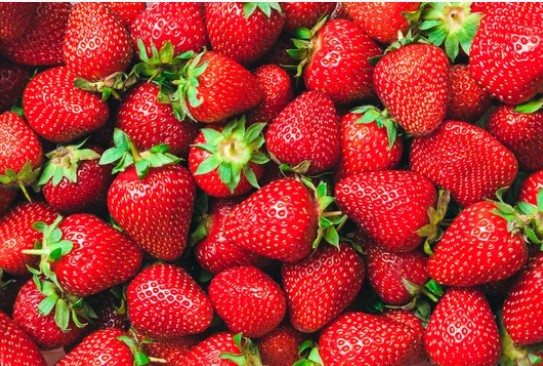
Strawberries
Juicy, antioxidant-rich strawberries: support heart health, skin vitality, and immune strength.Strawberries are not only delicious and naturally sweet—they are also one of the most nutrient-dense fruits available. Packed with vitamins, minerals, fibre, and polyphenols, they offer a powerful combination of health-supporting benefits. With their vibrant red hue, strawberries signal a rich supply of anthocyanins (a potent antioxidant), alongside vitamin C, manganese, flavonoids, and ellagic acid, all of which contribute to lowering inflammation, boosting immune function, and supporting healthy ageing.
Known botanically as Fragaria × ananassa, they are technically not berries in the botanical sense, yet they consistently rank among the top functional foods due to their unique composition of bioactive compounds. Research shows they help regulate blood sugar, improve heart health, support gut wellness, and even protect the skin from oxidative stress.
Whether eaten fresh, blended into smoothies, baked into healthy treats, or enjoyed as part of a balanced breakfast bowl, this fruit provides a naturally low-calorie way to enjoy important micronutrients and antioxidants.
Nutrition Table
| Nutrient/Compound | Amount per 100g | Benefits |
|---|---|---|
| Vitamin C | 58.8mg | Boosts immunity, collagen production, antioxidant |
| Fibre | 2g | Gut health, stabilises blood sugar |
| Manganese | 0.386mg | Antioxidant support, bone health |
| Folate (B9) | 24µg | Cell formation, pregnancy support |
| Anthocyanins | ~65mg* | Antioxidant, anti-inflammatory |
| Ellagic acid | ~5.4mg* | Skin protection, anti-inflammatory |
Benefits
- Antioxidants and Anti-Inflammatory Compounds
Strawberries contain high levels of polyphenols—especially anthocyanins, ellagitannins, and quercetin—which help neutralise free radicals and reduce inflammation. This antioxidant activity protects cells from damage, supporting long-term health and longevity.
- Heart Health
Regular consumption has been linked to improvements in cholesterol levels, blood pressure, and endothelial function (the health of blood vessel linings). Their fibre and polyphenol content help lower LDL cholesterol, while potassium helps regulate blood pressure.
- Immunity Boosters
With more vitamin C per 100g than oranges, strawberries are a strong natural immune booster. Vitamin C plays a critical role in immune cell function, collagen production, and wound healing.
- Promotes Skin Health
High vitamin C stimulates collagen formation, helping maintain firm, youthful skin. Antioxidants like ellagic acid also help protect skin from UV-related ageing by neutralising free radicals.
- Supports Gut and Digestive Health
Strawberries provide both fibre and prebiotic compounds that feed beneficial gut bacteria. Their high-water content also aids digestion and hydration.
- Blood Sugar Regulation
Despite their natural sweetness, they have a relatively low glycaemic index and contain fibre, which can help stabilise blood glucose and insulin levels.

How to Include Strawberries in Your Diet
Easy Ways to Enjoy Strawberries
Add fresh strawberries to yoghurt, oats, or overnight oats.
Blend into smoothies with leafy greens and almond milk.
Toss into salads with spinach, walnuts, and feta cheese.
Slice over whole-grain waffles or pancakes.
Freeze and blend into a homemade sorbet or nice-cream.
Pairing Tips
Pair with dark chocolate for a polyphenol-rich dessert.
Combine with citrus and mint for refreshing fruit salads.
Enjoy with nuts—healthy fats improve antioxidant absorption.
Drizzle with balsamic vinegar to enhance sweetness.
Processing and Storage Effects
Fresh is best: maximum vitamin C and polyphenols.
Freezing: retains most antioxidants and softens the texture.
Cooking/jams: reduces vitamin C, increases sugar intake.
Drying: concentrates sugar, so use in moderation.
Blending: still nutritious; consume as quickly as possible to avoid Vitamin C loss.
Scientific Backing
Heart Health
A study in the Journal of the American Heart Association found that women who consumed strawberries regularly experienced a significant reduction in the risk of heart attack—likely due to their anthocyanin content which helps improve blood vessel function and reduce inflammation.
Blood Sugar Management
Research published in Nutrients revealed that strawberry consumption slowed glucose absorption and reduced post-meal blood sugar spikes in human trials. The fibre and polyphenols play a key role.
Skin Protection and Anti-Ageing
A study in Food & Function demonstrated that ellagic acid in strawberries may protect skin from UV-induced collagen breakdown, reducing wrinkle formation and oxidative skin damage.
Cancer Prevention Potential
Compounds in strawberries, including ellagitannins and vitamin C, have been shown in research to inhibit tumour growth and protect DNA from oxidative stress. Studies in animals and cell cultures suggest strong cancer-preventive properties, though more human trials are needed.
Key Takeaways
Strawberries are low in calories yet rich in micronutrients and polyphenols that support heart health, skin vitality, immune strength, and metabolic balance. Their unique blend of anthocyanins, fibre, vitamin C, and ellagic acid offers significant antioxidant and anti-inflammatory benefits.
With their versatility and refreshing natural sweetness, they are an easy and enjoyable addition to a balanced diet, whether fresh, frozen, or blended into nutritious recipes. Prioritise fresh seasonal strawberries for the highest nutritional value, and enjoy them regularly for long-term health.
Recommended Products

References/Sources
- Basu, A., et al. (2011). Strawberry as a functional food: An evidence-based review. Journal of Agricultural and Food Chemistry. https://pubs.acs.org/doi/10.1021/jf1035035
- Cassidy, A., et al. (2013). High anthocyanin intake is associated with reduced risk of myocardial infarction in young and middle-aged women. Circulation. https://www.ahajournals.org/doi/full/10.1161/CIRCULATIONAHA.112.122408
- Edirisinghe, I., et al. (2011). Strawberries attenuate postprandial inflammation and insulin response. Nutrients. https://www.ncbi.nlm.nih.gov/pmc/articles/PMC3257681/
- Afaq, F., et al. (2010). Ellagic acid protects human skin against UV damage. Food & Function. https://pubs.rsc.org/en/Content/ArticleLanding/2010/FO/c0fo00142d