Pineapple
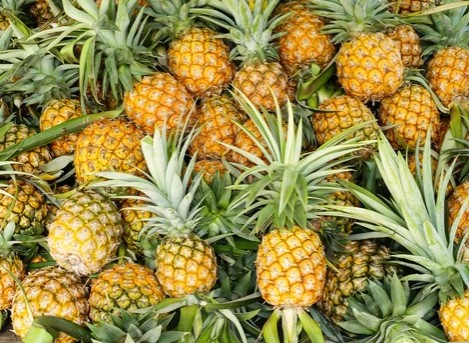
Juicy tropical fruit rich in vitamin C and bromelain to support digestion, immunity, and healthy skin.Pineapple (Ananas comosus) is far more than a refreshing tropical fruit enjoyed worldwide. Known for its vibrant flavour and juicy texture, pineapple packs an impressive nutrient profile that contributes to overall wellness. Beyond its rich vitamin C content, pineapple contains unique bioactive compounds such as bromelain — a digestive enzyme complex associated with anti-inflammatory and immune-supportive benefits.
This article explores the nutritional value of pineapple and how its components can support health. Combining scientific research with practical dietary tips, it offers a comprehensive yet accessible guide to incorporating pineapple into a functional, nutrient-rich diet.
Nutrition Table
| Nutrient/Compound | Amount per 100g | Benefits |
|---|---|---|
| Energy | 50 kcal | Low-calorie energy source |
| Water | 86 g | Hydration and metabolic function |
| Vitamin C | 47.8 mg | Antioxidant, immune health, collagen support |
| Manganese | 0.9 mg | Bone health, enzyme function, antioxidant |
| Fibre | 1.4 g | Digestive health, gut microbiome support |
| Bromelain | ~200–1,000 GDU* | Anti-inflammatory, digestive enzyme, immune support |
| Potassium | 109 mg | Heart function, muscle health, electrolyte balance |
| Vitamin B6 | 0.1 mg | Brain function, metabolism, immune support |
*Enzyme activity varies by ripeness and part of fruit.
Benefits
- Rich in Vitamin C for Immune and Skin Support
Pineapple is a notable source of vitamin C — essential for immune function, collagen synthesis, and tissue repair. A single 100g serving provides more than half the daily recommended intake, helping protect cells against oxidative stress and promoting healthy skin.
- Digestive Support Through Bromelain
Bromelain, naturally found in pineapple, especially the stem and core, supports digestive health by helping break down proteins. It may also reduce inflammation in the gut and support nutrient absorption.
- Anti-Inflammatory and Immune-Modulating Properties
Studies demonstrate that bromelain has anti-inflammatory and immune-modulating effects, which may benefit those managing chronic inflammatory conditions or recovering from injury.
- Heart Health
The antioxidants, fibre, and potassium contribute to cardiovascular health by helping regulate blood pressure, reducing oxidative stress, and supporting healthy cholesterol levels.
- Hydration and Electrolyte Balance
Containing over 85% water, pineapple helps with hydration. It also provides electrolytes such as potassium and manganese, supporting nerve function and energy metabolism.
How to Include Pineapple in Your Diet
Fresh slices or chunks as a snack or dessert.
Add to smoothies with yoghurt, ginger, and leafy greens.
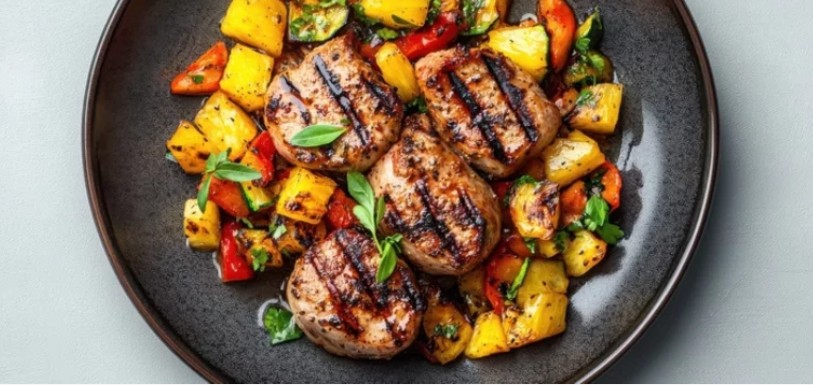
Pair with savoury dishes like chilli-lime chicken or grilled prawns.
Blend into salsa with red onion, coriander, and lime juice.
Add to salads with mint, cucumber, and feta cheese.
Use the core in juices or stir-fries for maximum bromelain.
Ferment into tepache for probiotic benefits.
The Effects of Processing Pineapple
Fresh Raw Pineapple
Highest bromelain enzyme activity, supports digestion and reduces inflammation.
Richest in vitamin C and antioxidants.
Best overall nutritional profile.
Frozen Pineapple
Nutrients are largely preserved.
Bromelain activity is mostly maintained.
Convenient and long-lasting option.
Grilled/Cooked Pineapple
Heat reduces bromelain and some vitamin C.
Still provides fibre, manganese, and phytonutrients.
May form natural caramelisation – higher sugar concentration taste-wise.
Canned
Heat processing reduces vitamin C and bromelain.
Often contains added sugar if packed in syrup.
Best choice: no-sugar-added canned pineapple in natural juice.
Dried
Nutrients are concentrated, but some heat-sensitive vitamins are reduced.
Very high sugar density – can spike blood glucose.
Still contains fibre and minerals.
Pineapple Juice
No fibre, lower bromelain if pasteurised.
Nutrients still present but easy to overconsume sugars.
Better in moderation compared to whole fruit.
Scientific Backing
Bromelain and Inflammation
Research indicates bromelain possesses anti-inflammatory and analgesic properties. For example, a study found bromelain effective in reducing swelling and bruising following trauma and surgery, performing comparably to anti-inflammatory medications.
Immune Function and Respiratory Health
Studies suggest bromelain may help improve immunity and support upper respiratory health, aiding recovery from colds and sinus congestion.
Digestive Enzymes and Gut Health
Bromelain supports protein digestion and may ease symptoms of indigestion and inflammatory bowel conditions. It also demonstrates potential antibacterial and gut-modulating effects.
Antioxidant Protection
Its high vitamin C levels help combat oxidative stress and support collagen production, influencing skin elasticity, wound healing, and immune resilience.
Key Takeaways
Pineapple is a refreshing tropical fruit rich in vitamin C, bromelain, and essential minerals like manganese and potassium. Its unique enzymatic and antioxidant properties support digestion, immunity, and inflammation reduction. Including it regularly in your diet — whether fresh, blended, or paired with savoury foods — may promote vibrant health, hydration, and digestive comfort. While heating may reduce some enzyme activity, pineapple remains a nutrient-dense, hydrating addition to a balanced diet.
Recommended Products

References/Sources
- USDA FoodData Central. Pineapple, raw. https://fdc.nal.usda.gov
- Pavan, R. et al. (2012). Properties and therapeutic application of bromelain: A review. Biotechnology Research International. https://doi.org/10.1155/2012/976203
- Maurer, H. R. (2001). Bromelain: biochemistry and pharmacology. Cellular and Molecular Life Sciences. https://doi.org/10.1007/pl00000936
- Rathnavelu, V. et al. (2016). Bromelain: A potential bioactive compound for treating cancer? Journal of Medicinal Food. https://doi.org/10.1089/jmf.2015.3709
- Mynott, T. et al. (1997). Bromelain inhibits T cell activation via modulation of cell surface molecules. International Immunopharmacology.
- Dr William Li. Eat to Beat Disease. HarperCollins, 2019.