Mushrooms
Nutrient-Dense Fungi Supporting Immunity, Gut Health and LongevityMushrooms have been valued for centuries across cultures—not only for their earthy umami flavours, but also for their impressive nutritional and medicinal value. Today, science is increasingly validating what ancient practices long understood: they are among nature’s most powerful functional foods.
Low in calories and fat yet rich in essential nutrients, bioactive compounds, and unique polysaccharides, they offer an array of health benefits that extend from boosting immunity to supporting gut health and even promoting cellular repair. Unlike plants, mushrooms belong to the fungi kingdom, giving them a distinct nutritional profile characterised by ergothioneine (a powerful antioxidant amino acid), beta-glucans (immune-supporting fibres), and compounds that may help modulate inflammation, support cardiovascular health, and maintain cognitive function as we age.
Whether eaten raw, sautéed, roasted, or brewed into teas and tonics, mushrooms deserve a prominent and regular place in a health-conscious diet.
Nutrition Table
| Nutrient/Compound | Amount per 100g | Benefits |
|---|---|---|
| Calories | 22 kcal | Low-energy food supporting weight balance |
| Protein | 3.1g | Supports tissue repair and satiety |
| Fibre | 1g | Helps digestion, feeds gut bacteria |
| B-Vitamins (B2, B3, B5) | Varies | Energy production, nervous system health |
| Selenium | 13 µg | Antioxidant, supports thyroid function |
| Potassium | 318 mg | Heart function, muscle contraction |
| Beta-glucans | — | Immune support and gut health |
| Ergothioneine | — | Cell protection, anti-ageing, brain health |
| Vitamin D₂ (UV-exposed) | Up to 10–and0 µg | Bone and immune health |
Benefits
- Boosts Immune Function
Mushrooms contain beta-glucans, natural sugars that stimulate key immune cells including T-cells and natural killer cells, helping the body defend itself against viruses, bacteria, and harmful pathogens.
- Powerful Antioxidant Protection
They provide ergothioneine and glutathione—two potent antioxidants that help protect cells from oxidative stress, reduce inflammation, and may slow age-related tissue damage.
- Supports Gut Health
Their beta-glucans and prebiotic fibres nourish beneficial gut bacteria, improving digestion and supporting a balanced microbiome—a cornerstone of long-term health.
- Heart Health and Cholesterol Reduction
Compounds in mushrooms may help lower LDL (“bad”) cholesterol and support healthy circulation, reducing cardiovascular risk.
- Brain and Cognitive Support
Ergothioneine has shown potential in protecting brain tissue from oxidative damage, which may help reduce the risk of neurodegenerative diseases such as Alzheimer’s and Parkinson’s.
- Source of Vitamin D
When exposed to sunlight, mushrooms naturally synthesise vitamin D₂, making them one of the few plant-adjacent foods contributing to vitamin D intake—critical for bones, immunity, and mood regulation.
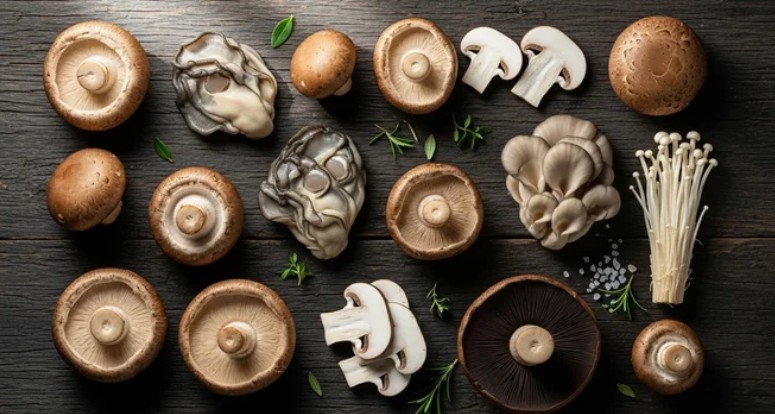
Types of Mushrooms with Notable Health Benefits
While all edible mushrooms offer nutritional value, certain varieties are particularly rich in functional compounds that support specific areas of health:
- Shiitake (Lentinula edodes)
Key compounds: Lentinan (beta-glucan), eritadenine, B-vitamins.
Benefits: Supports immune function, helps lower cholesterol, may support cardiovascular health.
Notes: Rich, savoury flavour.
- Reishi (Ganoderma lucidum)
Key compounds: Triterpenoids, beta-glucans, polysaccharides.
Benefits: Immune-modulating, adaptogenic stress support, anti-inflammatory, may improve sleep quality.
Notes: Bitter, consumed as teas, powders, or supplements rather than cooked.
- Lion’s Mane (Hericium erinaceus)
Key compounds: Hericenones, erinacines, beta-glucans.
Benefits: Supports cognitive function and memory, promotes nerve regeneration (NGF stimulation), gut supportive.
Notes: Mild seafood-like flavour, used therapeutically and as a culinary mushroom.
- Maitake (Grifola frondosa)
Key compounds: D-fraction beta-glucans, antioxidants.
Benefits: Immune supportive, helps regulate blood sugar, may aid metabolic health
Notes: “Hen of the woods” type; delicate texture, delicious sautéed or roasted. - Oyster Mushrooms (Pleurotus ostreatus)
Key compounds: Lovastatin (natural statin), beta-glucans, antioxidants.
Benefits: May help reduce cholesterol, support heart health, provide antiviral and anti-inflammatory effects.
Notes: Widely available, quick-cooking, excellent meat alternative.
- Chaga (Inonotus obliquus)
Key compounds: Betulinic acid, melanin, polysaccharides, antioxidants.
Benefits: Strong antioxidant effects, immune-modulating, anti-inflammatory.
Notes: Typically consumed as tea or powder – not eaten fresh.
- Turkey Tail (Trametes versicolor)
Key compounds: Polysaccharopeptides (PSP, PSK), beta-glucans.
Benefits: Gut microbiome support, immune-enhancing, studied for use alongside cancer therapies.
Notes: Wood-like texture, usually extracted into tea or supplements.
- Cordyceps (Cordyceps militaris)
Key compounds: Cordycepin, adenosine, polysaccharides.
Benefits: Enhances energy, oxygen utilisation, athletic performance, immune support.
Notes: Traditionally used in Chinese medicine; available as supplements and powders.
- Button/Cremini/Portobello (Agaricus bisporus)
Key compounds: Ergothioneine, selenium, B-vitamins, potassium.
Benefits: Widely accessible foundational mushroom for immune support, antioxidant defence, and metabolic health.
Notes: All three forms are the same mushroom at different maturity stages.
How to Include Mushrooms in Your Diet
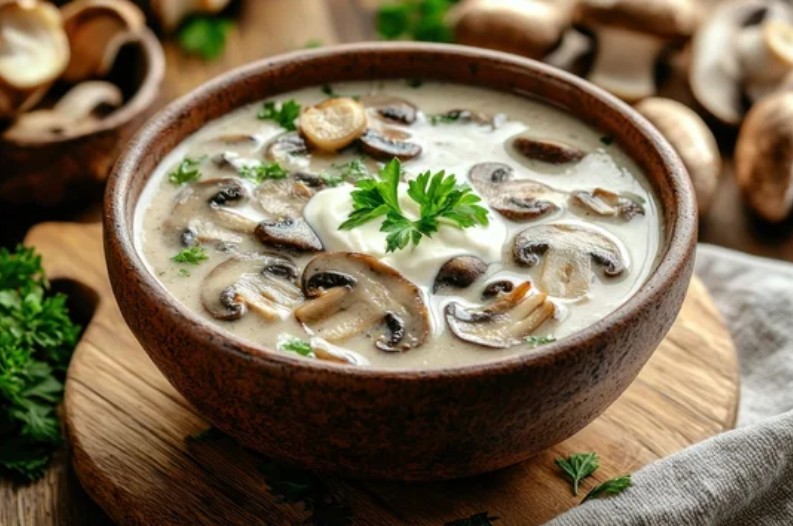
Add to stir-fries, soups and stews for flavour and texture.
Pan sear with garlic, olive oil, and herbs for a quick side.
Blend with minced meat for a lighter bolognese, meatballs, or burgers.
Use dried mushrooms in broths and risottos for deeper umami flavour.
Add to omelettes, salads, and grain bowls.
Drink mushroom teas or powders (e.g., reishi, lion’s mane) for cognitive and immune support.
Cooking and Processing Effects
Light cooking boosts digestibility and antioxidant availability.
Expose mushrooms to the sun for 30–60 minutes before cooking to increase vitamin D.
Avoid overwashing, as mushrooms absorb water.

Scientific Backing
Modern research supports mushrooms’ role in human health:
- A 2018 study in Nutrients found that mushroom consumption was linked to improved immune response due to beta-glucan activity in immune cell receptors.
- Penn State University research showed mushrooms contain the highest natural levels of ergothioneine and glutathione among common foods, supporting healthy ageing and lowering chronic disease risk.
- A randomised trial found beta-glucans from mushrooms improved immune defence in adults over 12 weeks, particularly enhancing antiviral activity.
- Studies measuring 100–200g/day intake showed links to reduced inflammation markers and improved gut microbiome diversity.
- UV-exposed mushrooms produced measurable vitamin D₂ levels, with 100g contributing up to the full daily recommended intake for many adults.
Put simply, mushrooms offer scientifically validated nutrients and bioactive compounds that protect cells, support immunity, and enhance long-term wellness.
Key Takeaways
Mushrooms are one of the most nutrient-dense and health-supportive foods available, offering immune-boosting beta-glucans, brain-protective antioxidants, B-vitamins, minerals, and natural vitamin D₂. Their unique compounds help support healthy ageing, digestion, and defence against disease. Enjoy them regularly for maximum benefit—ideally lightly cooked and exposed to sunlight when possible.
Recommended Products

References/Sources
- Li W. Eat to Beat Disease. Avery; 2019.
- Valverde ME et al. Edible mushrooms: improving human health and promoting quality life. Int J Microbiol. 2015. https://doi.org/10.1155/2015/376387
- Beelman RB et al. Role of mushrooms in healthy ageing. Food Chem. 2021.
- Jeong SC et al. Antioxidant and immune activities of mushroom beta-glucans. J Med Food.
- EFSA. Vitamin D dietary reference values.
- Penn State University Study on Ergothioneine & Glutathione in Mushrooms.
- NHS UK Vitamin D guidance: https://www.nhs.uk/conditions/vitamins-and-minerals/vitamin-d/
- British Nutrition Foundation: Mushrooms Food Facts.