
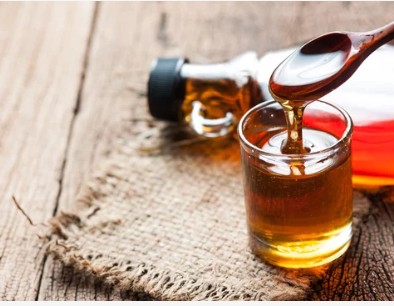
Maple Syrup
A Natural Sweetener Rich in Antioxidants, Minerals and Plant Compounds.Maple syrup is a natural sweetener derived from the sap of maple trees, particularly the sugar maple (Acer saccharum). While often associated with breakfast dishes such as pancakes and porridge, it is also valued for its unique nutritional profile and bioactive compounds. Unlike refined sugar, maple syrup contains a combination of minerals, antioxidants and phytochemicals that may support metabolic health, reduce oxidative stress and provide gentle nourishment.
Pure maple syrup is produced through tapping trees, collecting the sap and gently boiling it to concentrate natural sugars and beneficial compounds. Maple sugar, a traditional product made by further evaporating maple syrup, offers the same phytonutrients in a crystalline form and can serve as a natural sugar alternative. While maple syrup remains a sweetener and should be used mindfully, its nutritional value makes it a functional whole food ingredient when enjoyed in moderation.
Nutrition Table
| Nutrient/Compound | Amount per 100g | Benefits |
|---|---|---|
| Energy | 260 kcal | Natural source of carbohydrates for energy |
| Carbohydrates | 67 g | Provides natural sugars for fuel |
| Sucrose | ~60 g | Main natural sugar source, lower glycaemic response than refined sugar |
| Manganese | 2.4 mg | Supports bone health and antioxidant enzyme function |
| Zinc | 0.8 mg | Immune support and cellular repair |
| Calcium | 102 mg | Bone and muscle function |
| Potassium | 212 mg | Supports cardiovascular and nerve function |
| Polyphenols (e.g. gallic acid, caffeic acid, vanillic acid) | Varies | Antioxidant protection against oxidative stress |
| Quebecol | Trace | Unique anti inflammatory compound from maple heating process |
Benefits
Antioxidants and Plant Compounds
Maple syrup contains more than 24 known antioxidants, including polyphenols such as gallic, vanillic and caffeic acids. These compounds help neutralise oxidative stress, which is associated with ageing and chronic disease. Darker maple syrup grades tend to contain higher antioxidant levels due to a longer boiling process, concentrating the polyphenols.
Supports Metabolic Health Better Than Refined Sugar
Although maple syrup is a source of natural sugars, emerging research suggests it may have a lower glycaemic impact than refined white sugar and may support healthier glucose regulation when used as part of a balanced diet. The polyphenols and minerals found in maple syrup are believed to contribute to these effects. Maple sugar, made by further reducing syrup until crystals form, retains these properties while offering versatility as a granular sweetener.
Provides Trace Minerals for Cellular Health
Pure maple syrup offers several important minerals, including manganese, zinc and small amounts of calcium and potassium. Manganese plays a vital role in antioxidant defences and bone health, while zinc supports immune function and cellular repair.
Anti-Inflammatory Potential
Some of maple syrup’s compounds, such as quebecol (a unique polyphenol formed during boiling), have demonstrated anti-inflammatory potential in laboratory studies. These compounds are being studied for their possible benefits in reducing inflammation linked to metabolic and cardiovascular health.

How to Include Maple Syrup in Your Diet
Tips and Pairings
Drizzle a small amount over porridge, Greek yoghurt or whole grain waffles.
Use a teaspoon to sweeten herbal teas or smoothies.
Combine with mustard and olive oil for a natural salad dressing.
Use to glaze roasted carrots, sweet potatoes or Brussels sprouts.
Blend into natural nut butters for a subtly sweet spread.
Substitute refined sugar in baking with maple syrup or maple sugar.
The Effect of Processing on Nutritional Value
Pure, Grade A or Grade C syrup – highest antioxidant content (darker grades contain more polyphenols).
Maple sugar – retains minerals and phytonutrients, useful for baking and beverages.
Maple flavoured syrup – often contains refined sugar and additives; not a nutritional substitute.
Heating – increases the formation of the beneficial compound quebecol but may reduce delicate nutrients slightly.
Raw syrup (unboiled sap) – lower in antioxidants than boiled syrup; rarely consumed as a sweetener.

Scientific Backing
Antioxidants and Anti-Inflammatories
A study published in the Journal of Functional Foods analysed pure maple syrup and confirmed that it contained over 24 antioxidant compounds, many with anti-inflammatory properties. These compounds included polyphenols associated with reduced cellular oxidative stress, a key factor in ageing and chronic disease.
A Canadian study found that darker maple syrup varieties contained higher antioxidant activity due to a higher concentration of phenolic compounds. The researchers suggested that maple syrup may contribute to dietary antioxidant intake when used as part of a balanced diet.
Glucose Metabolism Regulation and Reduced Inflammation
Research from the University of Rhode Island explored maple syrup’s bioactive compounds and demonstrated that certain polyphenols may help regulate glucose metabolism and reduce inflammation at the cellular level. While maple syrup is still high in sugar, these compounds distinguish it from refined sweeteners that do not offer antioxidant benefits.
Alternative to Refined Sugar
Maple sugar, created by evaporating maple syrup to crystalline form, retains the same antioxidant and mineral compounds. While it should be treated as a sweetener, it may be preferable to refined white sugar for individuals seeking a more natural, minimally processed option with micronutrient and polyphenol value.
Key Takeaways
Pure maple syrup is a naturally derived sweetener with a unique nutritional advantage over refined sugars. Its blend of minerals, antioxidants and plant compounds gives it functional benefits that support metabolic health, immune function and cellular protection. Maple sugar offers similar nutrition in a crystalline form for versatile healthy cooking.
Although maple syrup provides beneficial compounds, it is still a concentrated source of natural sugars and should be enjoyed with mindfulness. When used sparingly as part of a whole food diet, it can contribute flavour, antioxidants and trace minerals to support overall wellbeing.
Recommended Products

References/Sources
- Li, William. Eat to Beat Disease: The New Science of How Your Body Can Heal Itself. Grand Central Publishing.
- Phillips, K. M., et al. (2009). “Nutrient composition of selected sweeteners.” Journal of Food Composition and Analysis. https://doi.org/10.1016/j.jfca.2008.10.002
- González-Sarrías, A., et al. (2017). “Potential health benefits of maple syrup polyphenols.” Journal of Functional Foods. https://doi.org/10.1016/j.jff.2017.01.015
- University of Rhode Island. “Maple syrup compounds may benefit health.” https://web.uri.edu/news
- Canadian Forest Service. “Antioxidant capacity of maple syrup varies by grade.” https://nrcan.gc.ca
- U.S. Department of Agriculture FoodData Central: Maple Syrup. https://fdc.nal.usda.gov
- Nagubandi, S., et al. (2020). “Quebecol and derivatives from maple syrup show anti inflammatory effects.” Journal of Agricultural and Food Chemistry. https://doi.org/10.1021/acs.jafc.9b07350