
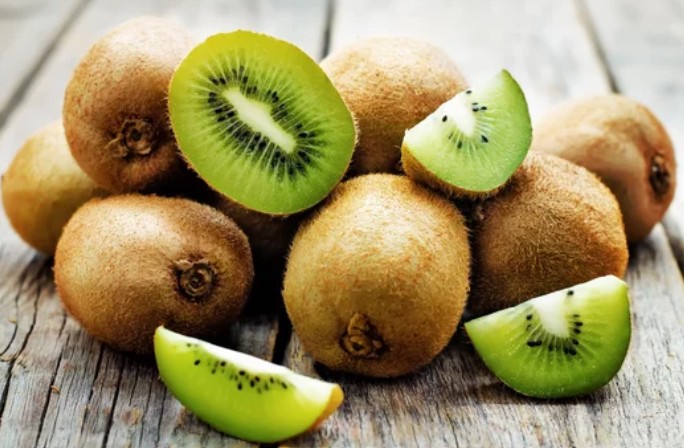
Kiwifruit
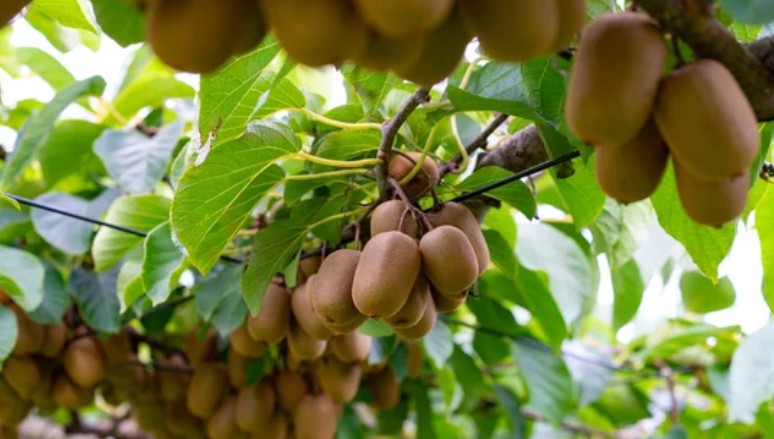
A Nutrient-Dense Powerhouse for Immunity, Digestion, and Skin HealthKiwifruit, often simply called kiwi, is a small, vibrant berry originating from China and now widely cultivated in New Zealand, Europe, and other temperate regions. Known for its bright green or golden flesh and tiny edible seeds, kiwifruit delivers an impressive nutritional punch in a relatively small package.
With remarkably high levels of vitamin C, fibre, antioxidants, and unique plant compounds, kiwi has been associated with enhanced immune function, improved digestion, cardiovascular support, and skin health. Studies show that regular consumption may help regulate blood pressure, improve gut microbiota, and even support sleep quality due to its serotonin content.
This article explores the nutritional value and scientifically supported health benefits of kiwifruit, offering practical guidance for incorporating it into your daily diet.
Nutrition Table
| Nutrient/Compound | Amount per 100g | Benefits |
|---|---|---|
| Energy | 61 kcal | Natural source of energy |
| Carbohydrates | 15 g | Primary fuel for the body |
| Dietary fibre | 3 g | Digestive support and gut health |
| Vitamin C | ~92 mg | Immune and skin health, antioxidant |
| Vitamin E | 1.5 mg | Supports skin and cell protection |
| Vitamin K | ~40 µg | Bone and blood health |
| Potassium | 312 mg | Supports heart function and blood pressure |
| Folate | 25 µg | Cell growth and DNA support |
| Actinidin | Natural enzyme | Aids digestion |
Benefits
Supports Immune Function
Kiwifruit is exceptionally rich in vitamin C, providing more than 80 milligrams per 100 grams—almost double the content of oranges by weight. Vitamin C is well-known for its role in supporting the immune system, enhancing the function of immune cells, and helping to protect against respiratory infections.
Kiwifruit also contains flavonoids and carotenoids, which further strengthen the body’s defence system by neutralising oxidative stress and reducing inflammation.
Promotes Healthy Digestion
Kiwifruit is a notable source of dietary fibre, providing more than 3 grams per 100 grams. It also contains actinidin, a natural digestive enzyme that assists with breaking down proteins, improving digestion and reducing bloating.
Studies show that kiwi consumption may increase stool frequency and soften stools, making it beneficial for individuals with constipation or slow digestive transit.
Cardiovascular Support
Kiwi’s potassium content helps regulate blood pressure, while its fibre and antioxidant profile contribute to lower LDL cholesterol and reduced oxidative damage.
Regular consumption may help improve lipid profiles, reduce platelet aggregation, and support overall heart health.
Improves Skin Health
Kiwifruit provides a powerful combination of vitamin C, vitamin E, and carotenoids—all essential for collagen production, free radical defence, and maintaining a healthy, glowing complexion.
The high vitamin C content plays a key role in collagen synthesis, while antioxidants protect the skin from environmental and oxidative stress.
Potential Sleep Support
Kiwifruit naturally contains serotonin, a hormone associated with regulating mood and sleep cycles. Preliminary research suggests that eating kiwifruit before bed may improve sleep duration and quality.

How to Include Kiwifruit in Your Diet
Tips and Ideas
Slice fresh kiwifruit into salads or yoghurt bowls
Blend into smoothies
Use as a topping for porridge or granola
Add to fruit salads for extra colour and tang
Pair with berries, citrus fruit, banana, or coconut yoghurt
Use mashed kiwi as a natural meat tenderiser (thanks to actinidin)
Processing and Nutrient Effects
Raw – best way to preserve vitamin C and digestive enzymes
Frozen – retains most nutrients, slightly softer texture
Smoothies – vitamin C remains intact; fibre still beneficial
Dried – higher sugar concentration and reduced vitamin C
Heat/cooked – heat reduces vitamin C and enzyme activity
Scientific Backing
- Immunity: A study in Nutrients found that consuming kiwifruit increased immune responsiveness and reduced cold symptoms in adults and children, largely due to its high vitamin C content.
- Digestion: Research published in the European Journal of Nutrition reported that kiwifruit improved stool frequency, consistency, and digestive comfort in adults with digestive complaints, likely due to fibre and actinidin.
- Cardiovascular Health: A study in Platelets showed that eating two to three kiwis per day reduced platelet aggregation and lowered triglycerides.
- Sleep Support: Research published in the Asia Pacific Journal of Clinical Nutrition found that adults who ate two kiwifruit one hour before bed experienced improved sleep duration and quality.
- Skin Health: Vitamin C in kiwi has been shown to support collagen production and skin repair, as documented in dermatological research.
Key Takeaways
Kiwifruit is a nutrient-dense fruit that supports immune function, digestion, cardiovascular health, and skin vitality. Its blend of vitamin C, fibre, antioxidants, and digestive enzymes makes it an easy, versatile, and effective functional food to include in a balanced diet. Eating one to two kiwis per day may offer measurable wellness benefits.
Putting kiwis into your daily routine—whether as part of breakfast, a snack, or a bedtime fruit—can help support overall health, from gut function to skin health and sleep quality.
Recommended Products

References/Sources
Chang, C.-H., Chen, H.-L., Chang, W.-H., & Chang, H.-W. (2020). Effects of Green- and Gold-Kiwifruit on Laxation and Metabolic Parameters in Healthy Subjects with Low Stool Frequency. European Journal of Nutrition. https://doi.org/10.1007/s00394-020-02266-7
Hunter, D.C., Brown, R.C., Schofield, G.M., Clark, A., Butts, C., & Paul, N.A. (2012). Saving by Spending: a Randomised Controlled Trial of Kiwifruit Consumption to Improve Laxation. Asia Pacific Journal of Clinical Nutrition, 21(2), 253–261. https://apjcn.nhri.org.tw/server/APJCN/21/2/253.pdf
McNaughton, L.R., et al. (2015). Effect of Two Kiwifruit or One Apple Per Day on Biomarkers of Cardiovascular Disease Risk: An RCT. Platelets. https://doi.org/10.3109/09537104.2014.999550
Edmunds, E., & Stirling, D. (2018). Kiwifruit Consumption and Immune Function in Adults and Children: A Review. Nutrients, 10(4), 546. https://doi.org/10.3390/nu10040546
FoodData Central – U.S. Department of Agriculture. Kiwifruit, green, raw, without skin. https://fdc.nal.usda.gov/fdc-app.html#/food-details/169264
Li, W. (2019). Eat to Beat Disease: The New Science of How Your Body Can Heal Itself. Grand Central Publishing.