Celery
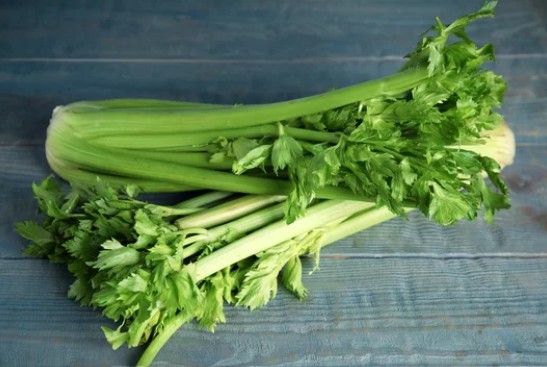
A crisp, low-calorie vegetable that supports digestion, heart health, and inflammation control.Celery (Apium graveolens) is celebrated for its crisp texture and refreshing flavour, but its true worth lies beneath the surface. This humble stalk vegetable is more than a salad filler—it’s a nutrient-packed functional food with powerful health benefits. It contains essential vitamins, minerals, and phytonutrients such as flavonoids, phenolic acids, and phthalides, all of which have been linked to cardiovascular support, anti-inflammatory effects, and detoxification.
Its health value extends beyond the familiar green stalks. Varieties such as leaf and Pascal celery, as well as celeriac (celery root), each bring unique nutritional and medicinal properties to the table, making this plant a truly versatile addition to a health-conscious diet.
Nutrition Table
| Nutrient/Compound | Amount per 100g | Benefits |
|---|---|---|
| Energy | 16 kcal | Very low-calorie food for weight management |
| Water | 95.4 g | Hydration and electrolyte balance |
| Protein | 0.7 g | Supports tissue maintenance |
| Fibre | 1.6 g | Promotes gut health and regularity |
| Vitamin C | 3.1 mg | Antioxidant; immune support |
| Vitamin K | 29.3 µg | Bone health and blood clotting |
| Potassium | 260 mg | Supports heart and muscle function |
| Folate (B9) | 36 µg | DNA synthesis; cellular repair |
| Luteolin | Approx. 1–2 mg | Anti-inflammatory; neuroprotective |
| Apigenin | Approx. 2–4 mg | Antioxidant; supports detoxification |
| Phthalides | Trace | May reduce blood pressure and cholesterol |
Benefits
- Supports Heart Health
Celery contains compounds known as phthalides, which are shown to help relax the muscles of the arteries, leading to improved blood flow and reduced blood pressure. Studies have demonstrated that the seed extract may lower both systolic and diastolic blood pressure levels (Houston, 2013). Its potassium and magnesium content further assists in maintaining healthy heart rhythms and vascular tone.
- Acts as a Natural Anti-Inflammatory
Its key bioactive compounds, luteolin and apigenin, are potent flavonoids with well-documented anti-inflammatory effects. Research published in the Journal of Medicinal Food (2019) indicates that luteolin can inhibit the release of pro-inflammatory cytokines, which play a role in chronic diseases like arthritis and inflammatory bowel disorders.
- Aids Digestion and Gut Health
With around 1.6 grams of dietary fibre per 100 grams, it helps support healthy digestion. Its fibre assists in regulating bowel movements, feeding beneficial gut bacteria (prebiotic), and promoting satiety. The high water content—over 95%—also helps maintain hydration and supports the mucosal lining of the stomach and intestines.
- Antioxidant and Detoxifying Properties
It contains loads of vitamin C, beta carotene, and polyphenols that help combat oxidative stress. These antioxidants neutralise free radicals, protecting cells from damage linked to ageing and chronic disease. Moreover, its diuretic effect assists the kidneys in flushing out toxins, which may support natural detoxification processes.
- Supports Weight Management
Celery is exceptionally low in calories—about 16 kcal per 100 grams—making it ideal for those aiming to manage their weight. Its high fibre and water content increase fullness, while the slow-release carbohydrates ensure steady energy levels without blood sugar spikes.
- May Reduce Cholesterol Levels
Animal studies have found that celery extracts can lower LDL (bad) cholesterol while raising HDL (good) cholesterol. The compound 3-n-butylphthalide (NBP) is believed to be responsible for this lipid-lowering effect, as observed in research by Tsi and Tan (2000).
- Supports Liver and Kidney Function
Celery seeds and extracts are often used in traditional medicine for liver and kidney support. Their diuretic and cleansing effects promote urinary flow and may help prevent kidney stones. A study in Pharmacognosy Research (2015) found that the seed extracts protected the liver from oxidative damage in laboratory models.
Different Varieties of Celery and Their Benefits
- Pascal (Green Stalk):
The most common type, rich in vitamins K and C. It’s deal for raw consumption and juicing. - Golden or Yellow:
This variety is sweeter and milder, containing higher levels of carotenoids such as beta carotene, offering antioxidant support. - Leaf (Chinese):
More aromatic with higher concentrations of essential oils, which may enhance digestion and circulation. - Celeriac (Root):
This root variety is rich in fibre, potassium, and antioxidants. It supports cardiovascular health and is lower in sodium, making it an excellent option for people with hypertension.

How to Include Celery in Your Diet
- Add to Juices or Smoothies: Combine it with cucumber, apple, and lemon for a hydrating morning drink.
- Soups and Stews: Dice it and use it as a flavour base alongside onions and carrots for nutrient-rich broths.
- Snack Option: Dip celery sticks into hummus or Greek yoghurt for a high-fibre snack.
- Celeriac Mash: Substitute celeriac for potatoes for a lower-calorie, potassium-rich side dish.
- Salads and Stir-Fries: Add it to green salads or stir-fries to retain crunch and nutrient density.
- Cooking Tip: Light steaming preserves antioxidants and flavonoids better than boiling. Excessive heat can degrade vitamin C and some phenolic compounds.
Scientific Backing
- Blood Pressure and Heart Health
A clinical study published in Natural Medicine Journal (2013) reported that the seed extract lowered blood pressure in patients with mild hypertension after six weeks of supplementation (150 mg/day). - Anti-Inflammatory Activity
According to a Journal of Agricultural and Food Chemistry study (2014), the flavonoids inhibit nitric oxide and inflammatory cytokine production in immune cells, reducing inflammation markers by up to 30%. - Antioxidant Potential
A 2019 study in Food Chemistry confirmed that celery contains over 12 antioxidant compounds, including caffeic acid and quercetin, which help reduce oxidative stress in liver tissue. - Cholesterol Reduction
The American Journal of Clinical Nutrition highlights that NBP, a unique phthalide in celery, demonstrated lipid-lowering effects in animal trials by decreasing total cholesterol by up to 25%. - Liver and Kidney Protection
In a 2015 Pharmacognosy Research study, celery extract reduced liver enzyme markers (ALT and AST) by 35% in rats exposed to toxins, suggesting hepatoprotective properties. - Gut Microbiota Effects
Research from Nutrients (2021) suggests that its polyphenols promote the growth of beneficial gut bacteria such as Lactobacillus and Bifidobacterium, contributing to improved gut health and immunity.
Key Takeaways
Celery is more than a crunchy snack—it’s a low-calorie, nutrient-dense food with measurable benefits for cardiovascular health, inflammation control, and digestive wellness. Its unique blend of vitamins, minerals, and phytochemicals, including apigenin, luteolin, and phthalides, makes it a functional food that can enhance long-term wellbeing. Whether consumed raw, juiced, or cooked, it supports detoxification, hydration, and balance throughout the body. Including it regularly in your meals is a simple yet effective way to boost overall health.
Recommended Products

References/Sources
Houston, M. (2013). The Role of Celery Seed Extract in Blood Pressure Regulation. Natural Medicine Journal, 5(2).
https://www.naturalmedicinejournal.com/journal/2013-02/celery-seed-extract-and-blood-pressure
Tsi, D. and Tan, B. (2000). Effect of Celery Extract on Lipid Levels in Rats. Clinical and Experimental Pharmacology and Physiology, 27(8): 595–597.
https://pubmed.ncbi.nlm.nih.gov/10972823/
Park, C. et al. (2014). Anti-inflammatory Activity of Celery Flavonoids. Journal of Agricultural and Food Chemistry, 62(18): 4435–4443.
https://pubs.acs.org/doi/10.1021/jf500606c
Chao, P. et al. (2019). Antioxidant Composition of Celery and Its Protective Effects. Food Chemistry, 297: 125–136.
https://doi.org/10.1016/j.foodchem.2019.125136
Arafat, O. et al. (2015). Protective Effects of Celery Seed Extract on Liver and Kidney Functions. Pharmacognosy Research, 7(1): 42–47.
https://www.ncbi.nlm.nih.gov/pmc/articles/PMC4318396/
Guo, L. et al. (2021). Celery Polyphenols and Gut Microbiota Modulation. Nutrients, 13(5): 1521.
https://www.mdpi.com/2072-6643/13/5/1521