Broccoli
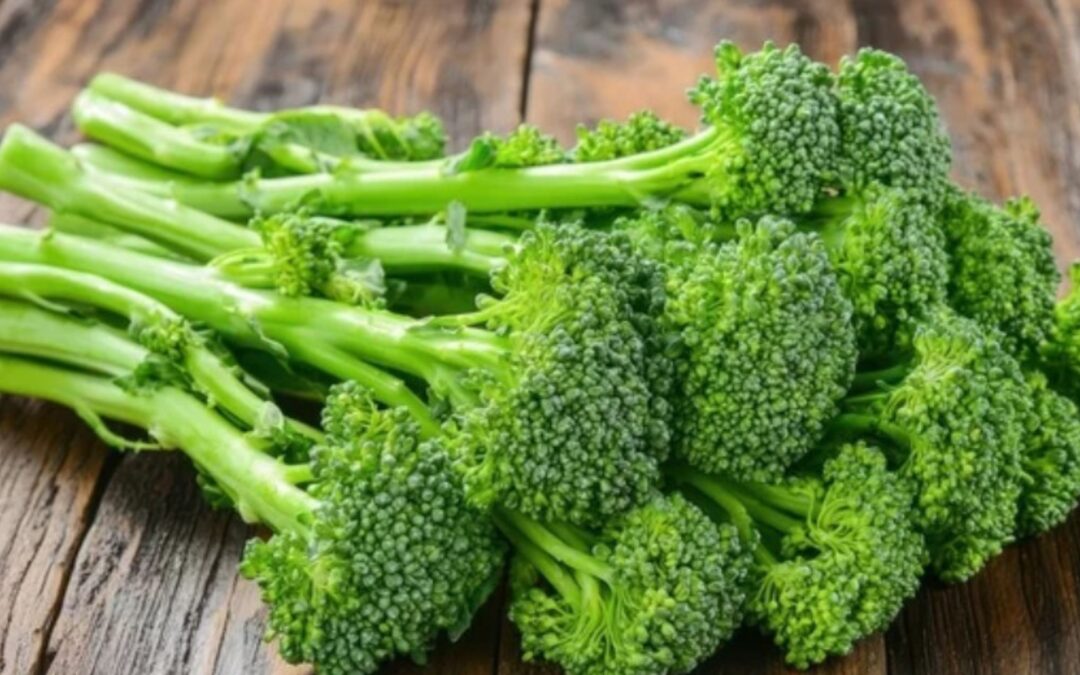
Nature’s green armour — protecting your cells, your gut, and your health.Broccoli (Brassica oleracea var. italica) has long been a kitchen staple — loved by nutritionists and often seen as the poster child for healthy eating. But this unassuming green vegetable is far more than a side dish. It’s packed with nutrients that support your body in numerous ways — from strengthening your immune system to protecting your heart, bones, and even your DNA.
A member of the cruciferous vegetable family, broccoli sits alongside cabbage, kale, cauliflower, and Brussels sprouts. These vegetables are known for their distinctive flavour, slightly peppery bite, and unique compounds called glucosinolates — natural plant chemicals that break down into health-protective substances like sulforaphane when we chew or lightly cook them.
In short: broccoli is a nutrient powerhouse with a remarkable nutritional profile and some fascinating science behind it.
Nutrition Table
| Nutrient / Compound | Amount per 100 g | Primary Benefits |
|---|---|---|
| Energy | ≈ 34 kcal (142 kJ) | Low-energy food; aids weight control |
| Protein | ≈ 2.8 g | Supports muscle maintenance and repair |
| Total fibre | ≈ 2.6 g | Promotes gut health and steady blood sugar |
| Vitamin C | ≈ 89 mg (99 % NRV) | Antioxidant; supports immunity and collagen |
| Vitamin K | ≈ 100 µg (112 % NRV) | Essential for bone strength and blood clotting |
| Folate (B9) | ≈ 63 µg (16 % NRV) | Supports cell growth and DNA formation |
| Potassium | ≈ 316 mg | Balances blood pressure and heart rhythm |
| Calcium | ≈ 47 mg | Supports bone and muscle function |
| Iron | ≈ 0.7 mg | Assists oxygen transport and energy metabolism |
| Sulforaphane (from glucoraphanin) | Variable (~20–100 µmol when active) | Antioxidant and anti-inflammatory potential |
| Lutein + Zeaxanthin | ≈ 1.4 mg | Protects eye health and vision |
| Beta-carotene | ≈ 361 µg | Antioxidant; precursor to vitamin A |
Benefits
- Supports the immune system and collagen production
A 100-gram serving of raw broccoli provides around 89 mg of vitamin C, which is roughly the entire daily recommended amount for adults. Vitamin C helps immune cells function properly and contributes to the formation of collagen, the structural protein that keeps our skin, tendons, and blood vessels strong and elastic.¹
While citrus fruit gets most of the vitamin C fame, broccoli actually rivals oranges gram-for-gram — with the added bonus of far fewer natural sugars.
- Promotes bone and blood health
Broccoli is a great source of vitamin K (about 100 µg per 100 g) and folate (vitamin B9). Vitamin K is vital for bone mineralisation and helps your body produce proteins that allow calcium to bind properly in bones and teeth. Folate supports red blood-cell formation and is crucial for DNA synthesis — particularly important during pregnancy and periods of growth.²
Eating broccoli regularly is therefore a simple way to contribute to bone strength and prevent deficiencies that can lead to osteoporosis or anaemia.
- Aids digestion and metabolic health
Broccoli is rich in dietary fibre (about 2.6 g per 100 g raw), which keeps digestion regular, supports beneficial gut bacteria, and helps control blood glucose levels after meals.³
Studies have linked diets high in fibre-rich vegetables to a lower risk of type 2 diabetes, heart disease, and certain cancers. Fibre also promotes satiety — the feeling of fullness — which can help with weight management.
- May help protect against chronic disease
Broccoli’s reputation as a “superfood” largely comes from its phytochemicals — biologically active compounds that go beyond basic nutrition. The most famous of these is sulforaphane, formed when you chew or lightly cook the vegetable.
In laboratory and animal studies, sulforaphane has shown antioxidant, anti-inflammatory, and potential anti-cancer properties.⁴ It activates the body’s natural detoxification enzymes, supports DNA repair, and reduces the harmful effects of oxidative stress — one of the root causes of many chronic diseases.
Several antiangiogenic studies have concluded that broccoli is associated with a reduced risk of many types of cancer. It contains bioactives like sulforaphanes and brassinin which have powerful antiangiogenic effects.
- Supports heart health
Broccoli’s nutrient blend — fibre, potassium, antioxidants, and plant compounds — is a winning combination for cardiovascular wellbeing. Potassium helps regulate blood pressure by balancing sodium levels, while antioxidants reduce inflammation that can damage blood vessels.
Some studies suggest that diets rich in cruciferous vegetables are linked to lower risk of heart disease and stroke.⁵ Eating broccoli several times a week as part of a balanced diet supports a healthy heart naturally, without any drastic changes.
- DNA Protection
Dr William Li, in Eat to Beat Disease cites studies by the University of Milan and the University of Copenhagen showing that eating 1.3 cups of broccoli per day for 10 days resulted in a 23% decrease in DNA breakage.
- Fights Toxic Gut Bacteria
A two-week study from the Institute of Food Research in Norwich found that a diet where 10% was comprised of the brassica family of vegetables decreased toxin-producing bacteria by up to 35%. These bacteria produce a toxin called hydrogen sulfide which damages the gut lining.
How to Include Broccoli in Your Diet
- Everyday Ideas
- Broccoli sprouts are easy to sprout in your own kitchen and pack a powerful punch of goodness into any smoothie or meal.
- Steam lightly and serve with lemon juice, olive oil, and a pinch of sea salt.
- Stir-fry with garlic, ginger, and tofu or chicken for a quick, nutrient-packed meal.
- Roast broccoli florets in the oven with olive oil until crisp — a delicious side with salmon or lentils.
- Add raw florets to salads or blend into green smoothies for a refreshing crunch.
- Use the stalks! Peel and slice them — they’re sweet and tender when cooked and are packed with nutrients.
- Smart Pairings
Broccoli works beautifully with ingredients that complement or enhance its nutrients:
- Pair with citrus or tomatoes to boost iron absorption through vitamin C.
- Combine with healthy fats (olive oil, avocado, nuts) to improve absorption of fat-soluble vitamins K and A.
- Add a sprinkle of mustard seeds or radish when cooking to boost sulforaphane formation — these contain extra myrosinase enzyme that supports the chemical reaction.
- Frozen or Fresh
Frozen broccoli can be just as nutritious as fresh, since it’s usually blanched and frozen quickly after harvest. It’s a convenient, affordable way to keep broccoli on hand year-round.
- Cooking Tip for Maximum Benefit
To retain nutrients:
- Avoid boiling for more than 5 minutes.
- Steam with minimal water.
- If you must boil, reuse the cooking water in soups or sauces, because that’s where many of the nutrients end up.
Scientific Backing
Scientists have been fascinated by cruciferous vegetables for decades because they contain unique compounds rarely found elsewhere in the plant kingdom. Here’s what the evidence tells us so far:
- Nutrient composition
Broccoli’s impressive vitamin and mineral content is well documented in global food databases such as the USDA FoodData Central and the European Food Information Resource (EuroFIR).⁶ These reference sources confirm that broccoli delivers high levels of vitamin C, vitamin K, potassium, and folate per calorie — a nutrient density that few vegetables match.
- Sulforaphane and protective compounds
The real scientific excitement, however, comes from sulforaphane, a compound formed when broccoli’s glucosinolate (glucoraphanin) interacts with the enzyme myrosinase during chopping, chewing, or light cooking.
Research has shown that sulforaphane can activate the body’s own defence system, stimulating enzymes that detoxify harmful substances and reduce oxidative damage to cells.⁴,⁷
Early human studies indicate that consuming broccoli sprouts or lightly steamed broccoli can increase levels of these protective enzymes in the bloodstream, though results vary between individuals.⁸ Interestingly, broccoli sprouts contain up to one hundred times more sulforaphane than fully grown broccoli.
- Epidemiological evidence
Large-scale population studies have explored whether people who eat more broccoli or cruciferous vegetables enjoy better long-term health outcomes. A 2024 systematic review and meta-analysis covering thousands of participants found that higher broccoli intake was associated with a modestly lower risk of several cancers and improved overall survival.⁵
- The effect of cooking
How you cook broccoli matters. Boiling it for too long can cause glucosinolates and vitamin C to leach into the water. Studies comparing cooking methods found that steaming, microwaving, or stir-frying preserves far more nutrients and phytochemicals than boiling or over-roasting.⁹
Light steaming for 3–5 minutes seems to hit the sweet spot — enough heat to soften the vegetable while keeping its bright colour, crisp texture, and health-promoting compounds intact. Interestingly, raw broccoli also offers benefits, though some people may find it tougher to digest.
Key Takeaways
- Broccoli is a nutritional all-rounder: rich in vitamin C, vitamin K, folate, potassium, and fibre while being low in calories.
- Sulforaphane, formed during chewing or light cooking, may support your body’s own defence systems against inflammation and oxidative stress.
- Scientific research continues to explore broccoli’s role in chronic disease prevention, but current evidence strongly supports including it as part of a balanced, plant-rich diet.
- Cooking technique matters — light steaming or quick stir-frying keeps nutrients intact.
- Make it routine: including broccoli in your diet several times a week is one of the simplest, tastiest ways to support lifelong health.
Recommended Products

References/Sources
National Health Service (NHS UK): Vitamins and minerals overview — Vitamin K and Folate.
Mohammed A. et al. (2023). Beneficial role of broccoli and its active ingredient, sulforaphane, in human health and disease. Frontiers in Nutrition. https://www.researchgate.net/publication/369085252_Beneficial_role_of_broccoli_and_its_active_ingredient_sulforaphane_in_the_treatment_of_diabetes
Syed R. U. et al. (2023). Broccoli: A multi-faceted vegetable for health promotion and disease prevention. Food Science & Nutrition Review. https://pmc.ncbi.nlm.nih.gov/articles/PMC10376324/
European Food Information Resource (EuroFIR) — Food composition database.
Fahey J. W. et al. (2023). Clinical evidence of sulforaphane bioavailability and antioxidant defence activation. Molecules Journal.
National Cancer Institute (NCI): Cruciferous Vegetables and Cancer Prevention (Fact Sheet, 2024).
Baenas, N. et al. (2019). Influence of Cooking Methods on Glucosinolates and Isothiocyanates Content in Novel Cruciferous Foods. Foods, 8(7):257. DOI: 10.3390/foods8070257. https://www.mdpi.com/2304-8158/8/7/257 MDPI+1