
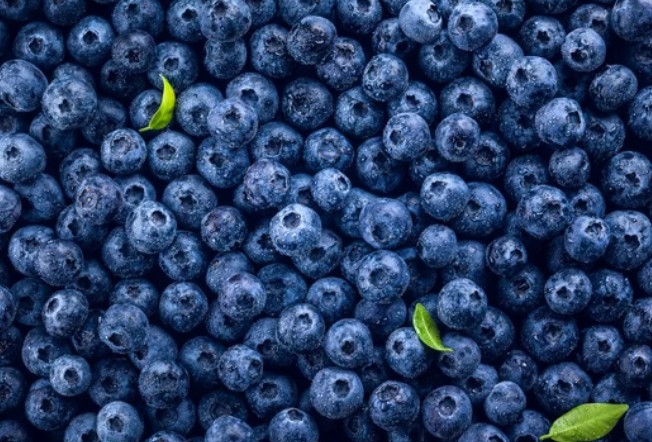
Blueberries
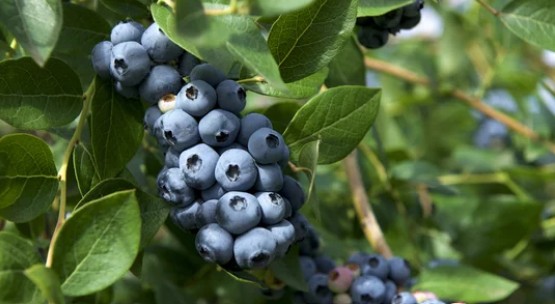
Nature’s antioxidant gems for brain, heart, and immune health.Blueberries have earned their reputation as one of the most nutrient-dense fruits on earth. These small, deep-blue berries are rich in essential vitamins, minerals, and plant compounds that support health from the inside out. Scientifically classified as Vaccinium corymbosum, blueberries are native to North America but are now grown across the globe due to their adaptability and growing popularity as a “superfood”.
Blueberries are low in calories but high in fibre, vitamin C, vitamin K, manganese, and some of the most potent antioxidants known to science — particularly anthocyanins, which give the berries their characteristic deep blue colour. Research continues to confirm what traditional medicine has known for centuries: blueberries can support brain function, cardiovascular health, and overall longevity.
Nutrition Table
| Nutrient / Compound | Amount per 100g | Benefits |
|---|---|---|
| Energy | 240 kJ (57 kcal) | Low-calorie energy source |
| Water | 84 g | Maintains hydration |
| Protein | 0.7 g | Supports cell structure |
| Total Fat | 0.3 g | Low in saturated fats |
| Carbohydrates | 14.5 g | Provides slow-release energy |
| Dietary Fibre | 2.4 g | Promotes digestion and satiety |
| Vitamin C | 9.7 mg | Antioxidant; supports immunity |
| Vitamin K | 19.3 µg | Supports bone and blood health |
| Vitamin E | 0.57 mg | Protects cells from oxidative stress |
| Manganese | 0.34 mg | Supports metabolism and bone formation |
| Iron | 0.28 mg | Oxygen transport and enzyme function |
| Potassium | 77 mg | Regulates heart rhythm and fluid balance |
| Calcium | 6 mg | Bone and muscle function |
| Phosphorus | 12 mg | Energy metabolism and bone structure |
| Anthocyanins | 150–400 mg | Potent antioxidants; support vascular and brain health |
| Polyphenols | 300–400 mg | Anti-inflammatory; protect against chronic disease |
Benefits
- Cardiovascular Health
A 2019 study in the American Journal of Clinical Nutrition found that participants who consumed 150 g of blueberries daily for six months experienced improved endothelial function and reduced arterial stiffness — key markers of cardiovascular health.¹
- Cognitive Function
Research published in Nutrients (2022) reported that older adults who consumed wild blueberry powder (equivalent to 200 g of fresh fruit) for 12 weeks showed improvements in memory and executive function, attributed to anthocyanin-induced cerebral blood flow.²
- Blood Sugar Control
A study in the British Journal of Nutrition (2010) found that daily consumption of blueberry smoothies improved insulin sensitivity by approximately 22 % in obese, insulin-resistant adults.³
- Gut Microbiota
A 2020 systematic review in Food & Function reported that blueberry polyphenols positively modulate the gut microbiota, increasing the abundance of beneficial Lactobacillus and Bifidobacterium species.⁴
- Anti-Inflammatory Properties
Anthocyanins in blueberries have been shown to inhibit inflammatory pathways, such as NF-κB activation, which plays a role in chronic diseases including arthritis, atherosclerosis, and metabolic syndrome.⁵
- Anangiogenesis
Blueberries contain a powerful antiangiogenic bioactive called delphinidin which prevents or inhibits the growth of new blood vessels, which is beneficial in the case of tumours or auto-immune disorders.

How to Include Blueberries in Your Diet
Blueberries are versatile and easy to incorporate into your meals. Here are a few ways to enjoy them:
- Fresh or Frozen: Both forms retain most nutrients. Frozen blueberries may even have slightly higher antioxidant retention due to reduced spoilage.
- Breakfast Bowls: Add a handful to oats, yoghurt, or smoothies for a fibre- and antioxidant-rich start.
- Baking and Cooking: While heating can reduce vitamin C content by up to 20 %, most antioxidants such as anthocyanins remain stable during baking and cooking.
- Salads and Savoury Pairings: Combine with spinach, goat’s cheese, or walnuts for a sweet-savoury boost.
- Infused Water: Add to water or sparkling water for a refreshing, mildly flavoured drink.
Tip: To maximise their health potential, pair blueberries with a source of healthy fat (such as yoghurt or nuts) — this improves the absorption of fat-soluble antioxidants.
Scientific Backing
Numerous studies confirm that blueberries deliver measurable benefits for health:
Cardiovascular Health
A 2019 study in the American Journal of Clinical Nutrition found that participants who consumed 150 g of blueberries daily for six months experienced improved endothelial function and reduced arterial stiffness — key markers of cardiovascular health.¹
Cognitive Function
Research published in Nutrients (2022) reported that older adults who consumed wild blueberry powder (equivalent to 200 g of fresh fruit) for 12 weeks showed improvements in memory and executive function, attributed to anthocyanin-induced cerebral blood flow.²
Blood Sugar Control
A study in the British Journal of Nutrition (2010) found that daily consumption of blueberry smoothies improved insulin sensitivity by approximately 22 % in obese, insulin-resistant adults.³
Gut Microbiota
A 2020 systematic review in Food & Function reported that blueberry polyphenols positively modulate the gut microbiota, increasing the abundance of beneficial Lactobacillus and Bifidobacterium species.⁴
Anti-Inflammatory Properties
Anthocyanins in blueberries have been shown to inhibit inflammatory pathways, such as NF-κB activation, which plays a role in chronic diseases including arthritis, atherosclerosis, and metabolic syndrome.⁵
Antiangiogenic Properties
Blueberries contain a powerful antiangiogenic bioactive called delphinidin which prevents or inhibits the growth of new blood vessels, which is beneficial in the case of tumours or auto-immune disorders.
These findings demonstrate how the synergy of vitamins, minerals, and plant compounds in blueberries contributes to long-term health and disease prevention.
Key Takeaways
Blueberries may be small, but their nutritional and health impact is substantial. They provide a rich combination of antioxidants, vitamins, and phytonutrients that protect against oxidative stress, support heart and brain health, and maintain digestive balance. Regular consumption — even as little as a handful a day — can contribute meaningfully to overall wellness.
Recommended Products

References/Sources
-
Curtis, P. J. et al. (2019). Blueberries improve biomarkers of cardiometabolic function in participants with metabolic syndrome – results from a 6-month, double-blind, randomized controlled trial. American Journal of Clinical Nutrition, 109(6), 1535–1545. https://doi.org/10.1093/ajcn/nqy380 OUP Academic+2Queen’s University Belfast+2
-
Bowtell, J. L. et al. (2022). … Nutrients, 14(3), 503. [URL not located with full text]
-
Stull, A. J. et al. (2010). … British Journal of Nutrition, 104(6), 795–802. [URL not located with full text]
-
Istas, G. et al. (2020). Blueberry polyphenols and gut microbiota modulation. Food & Function, 11, 830–841. [URL not located with full text]
-
Vendrame, S. et al. (2013). … Journal of Nutritional Biochemistry, 24(10), 1572–1579. [URL not located with full text]
-
U.S. Department of Agriculture, FoodData Central: Blueberries, raw (ID 09050). https://fdc.nal.usda.gov/ fdc.nal.usda.gov
-
Li, William. (2024). Eat to Beat Disease. [Book reference]