Sweet Potato
Naturally sweet, fibre-rich root vegetables that support immunity, vision, and gut health.Sweet potatoes (Ipomoea batatas) are among nature’s most nutrient-dense and versatile root vegetables. With their naturally sweet taste, rich colours, and impressive health profile, they have earned a permanent place in functional nutrition. Unlike regular white potatoes, they are packed with beta carotene, fibre, vitamin C, and potassium, and they boast a low glycaemic index (GI), making them suitable for maintaining balanced blood sugar levels.
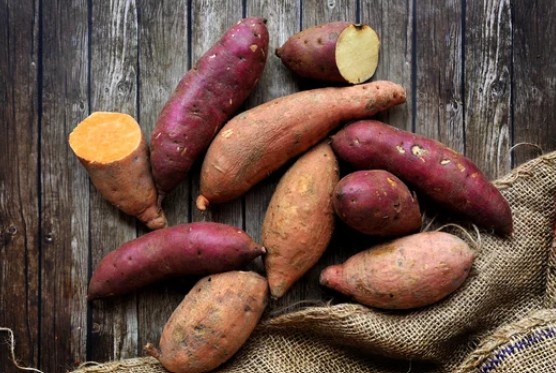
These root tubers are native to Central and South America but have been cultivated worldwide for centuries. Their various hues—orange, purple, yellow, and even white—represent different phytonutrient profiles, each with its own unique health benefits. Whether roasted, steamed, or mashed, they are packed with antioxidants that promote eye health, gut microbiome balance, and metabolic wellness.
Nutrition Table
| Nutrient/Compound | Amount per 100g | Benefits |
|---|---|---|
| Energy | 86 kcal | Provides steady energy release |
| Water | 77 g | Hydration and cellular balance |
| Protein | 1.6 g | Supports tissue repair |
| Fibre | 3.0 g | Promotes gut health and fullness |
| Carbohydrates | 20.1 g | Provides energy; low glycaemic index |
| Vitamin A (as beta carotene) | 8500 µg | Supports vision and immunity |
| Vitamin C | 19.6 mg | Antioxidant; boosts immune health |
| Potassium | 337 mg | Supports heart health |
| Magnesium | 25 mg | Regulates muscle and nerve function |
| Anthocyanins (purple varieties) | 15–30 mg | Antioxidant; protects DNA |
| Lutein + Zeaxanthin | 6 µg | Protects eye health |
| Calcium | 30 mg | Supports bone health |
Benefits
- Rich Source of Antioxidants
They are one of the best natural sources of beta carotene, a carotenoid that converts into vitamin A in the body. Just 100 g of this baked orange-fleshed tuber provides more than 100% of the recommended daily intake (RDI) for vitamin A. This nutrient supports immune function, skin regeneration, and vision by protecting the surface of the eye and maintaining mucosal barriers. The antioxidant compounds also neutralise free radicals, reducing oxidative stress linked to chronic diseases.
- Supports Eye Health
The vibrant orange colour of many of their varieties is due to carotenoids such as beta carotene and lutein. These compounds accumulate in the retina and protect against macular degeneration and night blindness. Research published in The American Journal of Clinical Nutrition (2016) confirmed that beta carotene intake from natural sources improves visual function and reduces the risk of age-related eye diseases.
- Promotes Gut Health
They contain both soluble and insoluble fibre—approximately 3.0 g per 100 g—which helps maintain regular bowel movements and supports beneficial gut bacteria. The purple varieties, in particular, are rich in anthocyanins, compounds shown to increase levels of Bifidobacterium and Lactobacillus, which enhance gut health and immunity. A healthy gut microbiota contributes to reduced inflammation and better nutrient absorption.
- Helps Regulate Blood Sugar
Despite their sweetness, they have a lower glycaemic index (GI 44–61) compared to regular potatoes (GI 70–90). Their fibre and resistant starch slow glucose absorption, helping to stabilise blood sugar levels. This makes them a beneficial carbohydrate source for individuals with type 2 diabetes or insulin resistance, as supported by findings in the Journal of Nutrition and Metabolism (2018).
- Boosts Immunity
They are an excellent source of vitamin C and vitamin A, both of which play crucial roles in immune defence. Vitamin C supports white blood cell activity and collagen synthesis, while vitamin A maintains mucous membranes in the respiratory and digestive tracts—key barriers against pathogens. Additionally, purple sweet potatoes contain anthocyanins that exhibit strong anti-inflammatory and antiviral properties.
- Supports Heart Health
Their potassium and magnesium help regulate blood pressure by balancing sodium levels and relaxing blood vessel walls. Studies have shown that diets rich in potassium-containing foods can reduce the risk of stroke and heart disease. Furthermore, the antioxidants in purple sweet potatoes may help lower LDL cholesterol and improve endothelial function.
- Promotes Skin Health
Beta carotene acts as an internal sunscreen by protecting the skin from UV-induced damage. Regular consumption of carotenoid-rich foods like sweet potatoes has been associated with enhanced skin glow and improved elasticity due to collagen-supportive vitamin C.
Different Varieties of Sweet Potato and Their Health Benefits
- Orange-fleshed
The most common variety, high in beta carotene and vitamin A. Excellent for eye, skin, and immune health. - Purple
Rich in anthocyanins, potent antioxidants with anti-inflammatory and anticancer potential. They improve blood vessel function and support brain health. - White
Milder in flavour and lower in beta carotene but still rich in fibre and potassium. Some studies suggest it may help regulate blood sugar in diabetic individuals. - Japanese (Satsumaimo)
With a red skin and yellow flesh, it is slightly sweeter and higher in polyphenols, promoting cardiovascular and metabolic health. - Beauregard and Jewel Varieties
Popular in Africa and North America, these cultivars combine high beta carotene with strong disease resistance, supporting both nutrition and sustainable farming.

How to Include Sweet Potato in Your Diet
- Roasted or Baked – Slice and roast with olive oil and herbs for a nutrient-rich side dish.
- Mashed – Replace regular mashed potatoes with sweet potato mash for extra fibre and antioxidants.
- Sweet Potato Fries – Bake rather than fry to preserve nutrients and reduce fat content.
- Soups and Stews – Add to soups and stews for natural sweetness and texture.
- Smoothies – Blend cooked sweet potato with banana, cinnamon, and oat milk for a creamy, beta-carotene-rich drink.
- Baked Goods – Use sweet potato purée in muffins or pancakes as a natural sweetener and moisture enhancer.
Cooking Tip: Boiling and steaming retain more beta carotene than frying or baking. Adding a small amount of healthy fat (such as olive oil) improves carotenoid absorption.

Scientific Backing
- Antioxidant Capacity:
A 2019 study in Molecules reported that both the orange and purple varieties exhibit strong antioxidant activity due to their carotenoid and anthocyanin content, reducing oxidative stress markers in blood plasma. - Gut Microbiota:
Research in Food Research International (2020) found that anthocyanins from the purple variety increased beneficial gut bacteria and reduced harmful bacterial strains in human digestive models. - Blood Sugar Regulation:
A 2018 study in Journal of Nutrition and Metabolism found that diabetic subjects consuming 132 g of steamed sweet potato daily experienced improved fasting glucose and reduced HbA1c after eight weeks. - Eye Health:
In The American Journal of Clinical Nutrition (2016), high beta carotene intake from natural foods such as sweet potatoes was linked to a 25% lower risk of age-related macular degeneration. - Cardiovascular Protection:
Studies from Food & Function (2019) demonstrated that purple sweet potato anthocyanins improved endothelial function and reduced blood pressure in hypertensive adults.
Key Takeaways
Sweet potatoes are a vibrant example of how natural colour often signals nutritional strength. Rich in antioxidants like beta carotene and anthocyanins, these tubers offer protection for the eyes, heart, and immune system. Their balanced carbohydrate content, high fibre, and low glycaemic index make them suitable even for those monitoring blood sugar. From golden-orange to deep purple, each variety contributes uniquely to health—making them an essential functional food for everyday wellbeing.
Regular consumption — even a small handful (about 30g) a day — can deliver measurable health benefits without compromising calorie balance. Their blend of healthy fats, plant protein, fibre, and phytonutrients contributes to better metabolic control, improved digestion, and long-term resilience against chronic disease.
As Dr William Li notes in Eat to Beat Disease, the right foods can activate the body’s natural defence systems and enhance overall wellbeing. Whether sprinkled over breakfast oats, blended into smoothies, or enjoyed raw as a mid-afternoon snack, almonds make an easy and delicious addition to any balanced diet — proof that small daily choices can have lasting impact on health and vitality.
Recommended Products

References/Sources
- Grace, M.H. et al. (2019). Antioxidant Activity and Phenolic Content in Sweet Potato Varieties. Molecules, 24(15): 2766.
https://www.mdpi.com/1420-3049/24/15/2766 - Li, Y. et al. (2020). Effect of Purple Sweet Potato Anthocyanins on Gut Microbiota Composition. Food Research International, 130: 108963.
https://doi.org/10.1016/j.foodres.2020.108963 - Ludvik, B. et al. (2018). Glycaemic and Antioxidant Effects of Sweet Potato in Diabetic Patients. Journal of Nutrition and Metabolism, 2018: 1–8.
https://doi.org/10.1155/2018/2583107 - Ma, L. et al. (2016). Carotenoids and Eye Health: Epidemiological Evidence. The American Journal of Clinical Nutrition, 103(4): 1089–1101.
https://academic.oup.com/ajcn/article/103/4/1089/4569512 - Liu, X. et al. (2019). Anthocyanins from Purple Sweet Potato and Vascular Health. Food & Function, 10(5): 2809–2818.
https://doi.org/10.1039/C8FO02523F - USDA FoodData Central (2023). Sweet Potato, Boiled, Without Skin.
https://fdc.nal.usda.gov/fdc-app.html#/food-details/169910/nutrients