

Eggplant
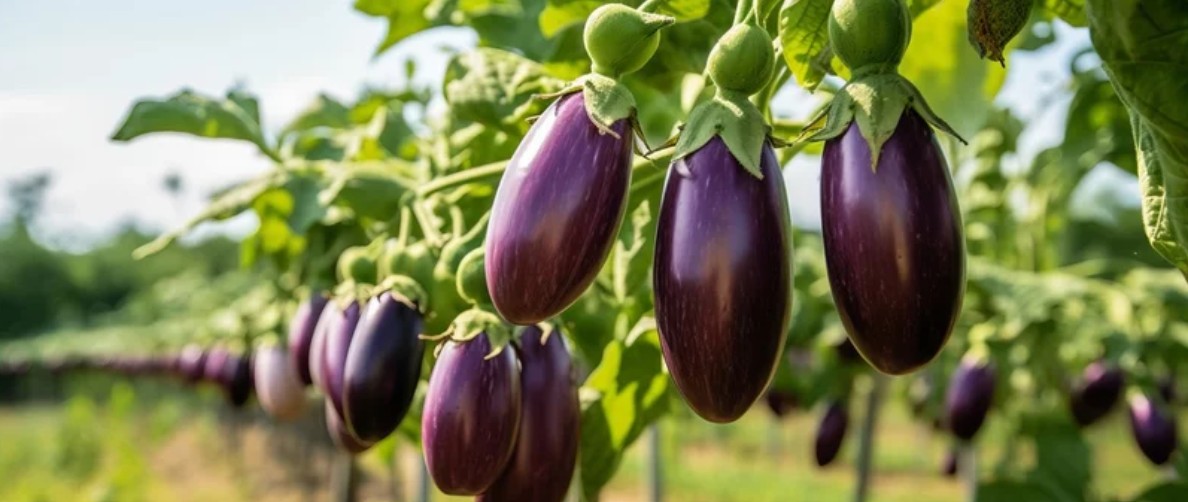
Deep purple eggplant packed with antioxidants, fibre and minerals for cell and metabolic support.Eggplant (Solanum melongena) — also called aubergine or brinjal — is a versatile, colourful vegetable loved worldwide. Whether roasted, grilled, or included in stews, it offers more than just flavour.
It brings a blend of dietary fibre, minerals and plant compounds—particularly in its glossy skin—that contribute to its standing as a functional food. Emerging science reveals how its unique polyphenols, anthocyanins and other bioactives may support cardiovascular health, metabolic balance, cognitive function and digestive wellbeing. In this article, we explore the nutrition, research-backed benefits, practical ways to include it in your diet, and what makes various types stand out.
Nutrition Table
| Nutrient/Compound | Amount per 100g | Benefits |
|---|---|---|
| Energy | 25 kcal | Low-calorie base for meals |
| Total carbohydrate | 5.9 g | Provides gentle energy |
| Fibre | 3.0 g | Supports digestion and satiety |
| Protein | 0.98 g | Contributes to repair, though modest |
| Potassium | 229 mg | Supports heart and fluid balance |
| Manganese | 0.23 mg | Antioxidant enzyme co-factor |
| Calcium | 9 mg | Supports bone health (modest) |
| Anthocyanins (skin, e.g., nasunin) | Varies (higher in purple types) | Strong antioxidant, brain support |
| Phenolic acids (chlorogenic acid etc.) | Varies | Anti-inflammatory, metabolic benefits |
Benefits
Heart and Vascular Health
Eggplant’s high fibre content combined with plant polyphenols appears to help reduce risk factors tied to cardiovascular disease. A review noted that eggplant extracts inhibited angiotensin-converting enzyme (ACE) activity, suggesting potential in supporting blood pressure regulation. The anthocyanin nasunin, found in its purple skin, helps protect LDL (“bad”) cholesterol from oxidation—a key step in atherosclerosis.
Metabolic and Blood Sugar Support
Low in calories and glycaemic load (GI ~30) and rich in soluble fibre and phenolics, regular consumption may aid blood sugar regulation. A systematic review on metabolic syndrome concluded that eit shows anti-diabetic, antihypertensive and hypolipidemic properties via enzyme inhibition and improving lipid and glucose metabolism.
Gut Health and Digestive Support
It contributes both insoluble fibre (for bowel regularity) and unique phytonutrients which feed beneficial gut microbes. Preliminary evidence suggests that its anthocyanins may influence inflammation in the gut and support microbial diversity. Its spongy flesh also helps provide volume (satiety) with fewer calories, aiding digestive comfort and healthy eating patterns.
Brain and Cognitive Benefits
Its skin contains nasunin and other anthocyanins with neuro-protective potential. One review highlighted eggplant’s ability to protect neuronal cell membranes from oxidative damage and improve synaptic signalling, potentially offering benefits for age-related cognitive decline.
Antioxidant and Anti-Inflammatory Action
Its rich phenolic acid and flavonoid content—especially chlorogenic acid and anthocyanins—provides substantial antioxidant activity, helping to reduce oxidative stress and inflammation. These properties support long-term health and help mitigate risk factors for chronic diseases.
Types of Eggplant and Notable Benefits
- Globe/Standard Purple (common in Europe and North America): Rich in anthocyanins, which offer antioxidant and vascular protection.
- Japanese slender variety (long, thin): Often higher in calcium and potassium per gram; ideal for grilling.
- White eggplant: Slightly firmer, sometimes milder; abundant in fibre and minerals, though lower anthocyanin content.
- Indian brinjal varieties (e.g., round green, small purple): Traditionally used in Ayurvedic diets; some indigenous studies suggest enhanced alkaloid content with anti-inflammatory potential.
Using a mix of types ensures a diverse intake of phytonutrients.

How to Include Eggplant in Your Diet
Cooking Ideas
- Grill or roast: Slice it, brush lightly with olive oil, and grill until tender—preserves skin and anthocyanins.
- Bake or stuff: Halve and roast, then fill with quinoa, vegetables, herbs and a little feta or nut butter.
- Stir-fry or sauté: Use long slender Japanese variety – a quick cook retains texture and colour.
- Puree into dips: Classic baba ghanoush or smoking eggplant for a dip offers fibre and flavour.
- Use as pasta or bread substitute: Grill large slices as “vegan parmesan layer” or base for lasagne.
The Effects of Processing on Nutrients
- Raw or gently cooked—retains maximum anthocyanins and phenolics.
- Fried or heavily oil-soaked—absorbs fat and may reduce nutrient density.
- Removing skin—reduces anthocyanin and fibre content; therefore, eat with skin where possible.
- Freezing/steaming—good for preserving nutrient value; blanch quickly to maintain colour.
Scientific Backing
- A review titled Health benefits and bioactive compounds of eggplant reported that it contains an “abundance of vitamins, phenolics and antioxidants” and highlighted its “potential pharmaceutical uses.”
- In a study on eggplant peel extracts, researchers found high levels of anthocyanins, strong antioxidant and iron-chelating activity, indicating potential to improve shelf life and impart health benefits.
- The Phenolics and Antioxidant Properties of Black and Purple Eggplant study explained that anthocyanin-rich varieties exhibited high free-radical scavenging activity and may reduce vascular complications in diabetes.
- A review on eggplant and metabolic syndrome found evidence for anti-oxidative, anti-diabetic, anti-hypertensive and anti-hyperlipidaemic effects in animal and in-vitro studies.
- Additional nutrient summaries note its excellent fibre and antioxidant content, though modest in some vitamins, highlighting its role as a lower-calorie, nutrient-diverse vegetable
Key Takeaways
Eggplant is a nutrient-rich, low-calorie vegetable packed with dietary fibre, potassium and powerful plant compounds—especially anthocyanins and phenolics—that contribute to heart, gut, brain and metabolic health. By choosing whole-food, lightly processed preparations and preserving the glossy skin, its functional benefits are maximised.
Incorporate different varieties of this wonderful vegetable —purple, white, slender or round—to enjoy the full spectrum of nutrients. Whether you roast, grill, stir-fry or dip into it, it can be a delicious addition to any balanced, health-focused diet.
Recommended Products

References/Sources
- Health benefits and bioactive compounds of eggplant (Solanum melongena). Journal of Functional Foods, 52: 100–116. https://pubmed.ncbi.nlm.nih.gov/30064803/
- Condurache, N-N. et al. (2021). Eggplant Peels as a Valuable Source of Anthocyanins: Extraction, Thermal Stability and Biological Activities. Foods, 10(4): 871. https://pmc.ncbi.nlm.nih.gov/articles/PMC8003047/
- The Phenolics and Antioxidant Properties of Black and Purple Eggplant. Foods, 8(2): 67. https://pmc.ncbi.nlm.nih.gov/articles/PMC9030419/
- Effect of eggplant (Solanum melongena) on the metabolic syndrome. Journal of Food Biochemistry, 46(6): e13730. https://pmc.ncbi.nlm.nih.gov/articles/PMC8143715/
- Verywell Fit. Eggplant Nutrition Facts and Health Benefits. https://www.verywellfit.com/eggplant-nutrition-facts-calories-and-health-benefits-4118571