Soy
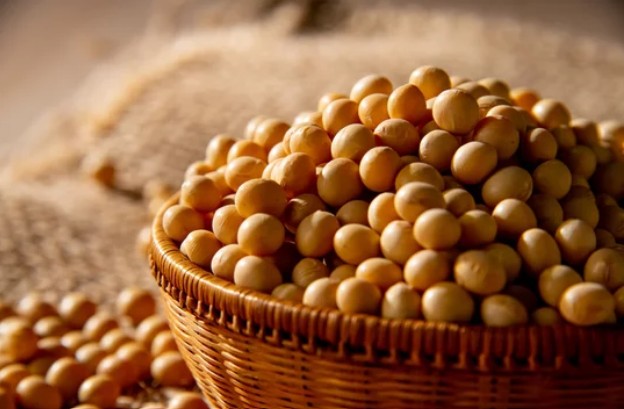
Rich in plant protein and phytoestrogens, soy supports heart, bone, and metabolic health.Soy (Glycine max), derived from the soybean plant, has been part of the human diet for thousands of years, especially in East Asia, where it has long been prized for its nutritional density and versatility. Today it remains a cornerstone of plant-based diets worldwide, providing a sustainable source of high-quality protein, essential fatty acids, and bioactive compounds that offer a range of health benefits.
This humble legume forms the basis of numerous foods such as tofu, tempeh, soy milk, soy sauce, and miso — all of which contribute uniquely to our wellbeing. The science around soy continues to evolve, but a growing body of research highlights its role in supporting cardiovascular health, hormone balance, bone strength, and even gut health.
Nutrition Table
| Nutrient/Compound | Amount per 100g | Benefits |
|---|---|---|
| Calories | 173 kcal | Energy source |
| Protein | 16.6 g | Supports muscle repair and growth |
| Total Fat | 9 g | Contains heart-healthy unsaturated fats |
| Fibre | 6 g | Promotes gut health and satiety |
| Calcium | 277 mg (tofu, calcium-set) | Supports bone strength |
| Iron | 5.1 mg | Supports oxygen transport and energy production |
| Magnesium | 86 mg | Contributes to nerve and muscle function |
| Potassium | 515 mg | Maintains blood pressure and hydration balance |
| Isoflavones (Genistein, Daidzein) | 80–150 mg | Hormone modulation and antioxidant activity |
| Omega-3 fatty acids (ALA) | 0.6 g | Supports cardiovascular and brain health |
Benefits
- Supports Heart Health
Soybeans are well known for their beneficial effects on cholesterol levels. Studies show that regular soybean consumption can help lower total and LDL (“bad”) cholesterol without affecting HDL (“good”) cholesterol. The high content of polyunsaturated fats, fibre, and soy isoflavones (such as genistein and daidzein) contributes to these protective effects. A meta-analysis published in The Journal of Nutrition found that soybean protein intake reduced LDL cholesterol by about 4–6% in adults (Zhang et al., 2021).
- Aids Hormonal and Menopausal Health
Isoflavones, naturally occurring phytoestrogens in soybeans, are structurally similar to oestrogen and can help modulate hormonal balance in the body. This makes the soybean especially beneficial for women during menopause, as it can reduce hot flushes and support bone health. Research in Menopause (Messina, 2014) found that women consuming isoflavone-rich soybean foods experienced a significant reduction in the frequency and severity of hot flushes compared to those on placebo.
- Promotes Muscle and Metabolic Health
Soybeans provide all nine essential amino acids, making them one of the few complete plant-based proteins. This makes it ideal for supporting muscle recovery, especially in active individuals and those following vegetarian or vegan diets. Studies also suggest that their protein can improve insulin sensitivity and blood glucose control, contributing to better metabolic health.
- Supports Bone Strength
Calcium, magnesium, and isoflavones in them contribute to bone density and reduce the risk of osteoporosis. Regular consumption of soybean-based foods like tofu (which is often calcium-set) or soy milk has been shown to positively affect bone mineral density.
- May Protect Against Certain Cancers
Epidemiological studies have linked soybean consumption with a lower risk of hormone-related cancers, particularly breast and prostate cancer. Isoflavones appear to have anti-proliferative effects on cancer cells and help regulate hormone metabolism, though results depend on individual metabolism and lifelong dietary patterns.
How to Include Soy in Your Diet
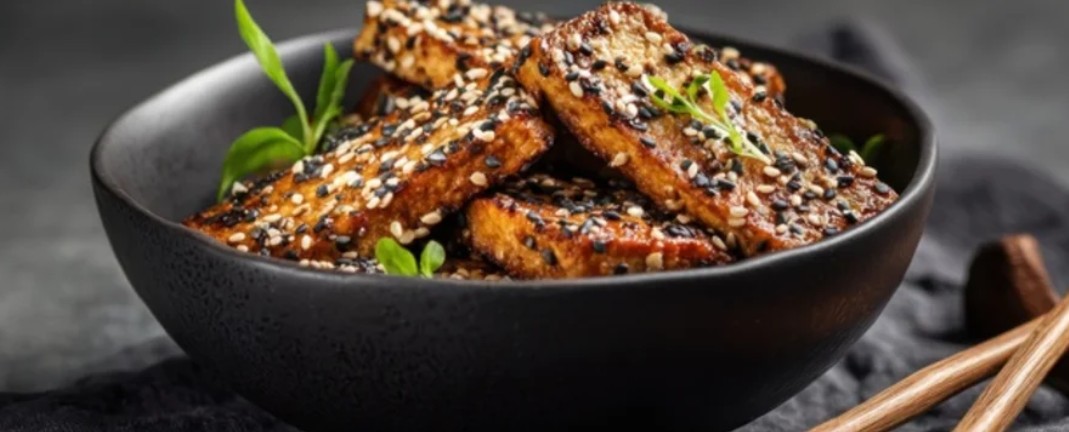
- Tofu: A calcium-rich source of plant protein; ideal for stir-fries, curries, or grilled dishes.
- Tempeh: This fermented soybean product high in probiotics and fibre; excellent for gut health and savoury meals.
- Soy milk: Fortified varieties provide calcium and vitamin D; great for smoothies or cereals.
- Edamame: Young soybeans steamed as a snack or added to salads; high in protein and antioxidants.
- Miso: Fermented soybean paste that is rich in probiotics, enhances soups and marinades.
- Soy sauce: Adds umami flavour but should be used in moderation due to sodium content.
Effects of Processing on Nutrition
- Raw soybeans: Rich in nutrients but contain anti-nutrients (trypsin inhibitors). Cooking deactivates these.
- Fermented soy (miso, tempeh): Increases digestibility and probiotic content.
- Soy isolate powders: High in protein but lower in fibre and micronutrients.
- Tofu and soy milk: Fortification can enhance calcium and vitamin D content.
- Soy sauce: Fermentation adds antioxidants, though sodium levels are high.

Scientific Backing
Cardiovascular Benefits
Clinical trials show that soybean protein reduces serum cholesterol and improves lipid profiles. The FDA recognises 25 g of soybean protein per day as part of a diet low in saturated fat and cholesterol may reduce heart disease risk (U.S. FDA, 1999). A meta-analysis of 46 trials found that soybean protein consumption led to significant improvements in LDL and total cholesterol (Zhang et al., 2021).
Isoflavones and Hormone Health
Isoflavones act as selective oestrogen receptor modulators (SERMs), binding to oestrogen receptors and providing either weak oestrogenic or anti-oestrogenic effects depending on hormone levels. This dual action helps reduce menopausal discomfort and supports bone health without the risks associated with hormone replacement therapy (Taku et al., 2012).
Metabolic Effects
In a 12-week randomised study, overweight adults consuming 30 g of soybean protein daily showed improved insulin sensitivity and reductions in fasting glucose levels compared to control groups (Wang et al., 2019). These effects are linked to bioactive peptides that enhance glucose metabolism and reduce inflammation.
Cancer Research
Long-term observational studies suggest that regular soy intake is associated with a lower risk of breast and prostate cancer. A 2018 meta-analysis published in Cancer Causes & Control found that high soybean consumption reduced breast cancer risk by 26% among Asian populations.
Key Takeaways
Soy is a nutrient-dense food offering a unique combination of complete plant protein, essential minerals, and bioactive compounds like isoflavones. Its benefits extend from cardiovascular and hormonal health to bone strength and metabolic balance. Regular consumption of whole or minimally processed soybean products such as tofu, tempeh, or soy milk can support overall wellbeing when incorporated into a balanced diet.
Far from being merely a meat substitute, soy stands as a functional food in its own right — one that merges nutritional power with culinary flexibility and scientific credibility.
Recommended Products

References/Sources
- Zhang, Y., et al. (2021). Soy protein intake and lipid profile: a meta-analysis of clinical trials. The Journal of Nutrition, 151(9), 2727–2738. https://doi.org/10.1093/jn/nxab163
- Messina, M. (2014). Soy foods, isoflavones, and the health of postmenopausal women. Menopause, 21(12), 1276–1286. https://doi.org/10.1097/GME.0000000000000280
- Taku, K., et al. (2012). Soy isoflavones and bone health: a meta-analysis of randomised controlled trials. Clinical Nutrition, 31(6), 835–842. https://doi.org/10.1016/j.clnu.2012.04.008
- Wang, Y., et al. (2019). Effects of soy protein on glucose metabolism and insulin resistance. Food & Function, 10(7), 4101–4111. https://doi.org/10.1039/C9FO00838J
- U.S. Food and Drug Administration (1999). Health claim for soy protein and coronary heart disease. https://www.fda.gov/food/food-labeling-nutrition/health-claims-meet-significant-scientific-agreement
- Dr William Li (2019). Eat to Beat Disease: The New Science of How Your Body Can Heal Itself. Grand Central Publishing.