
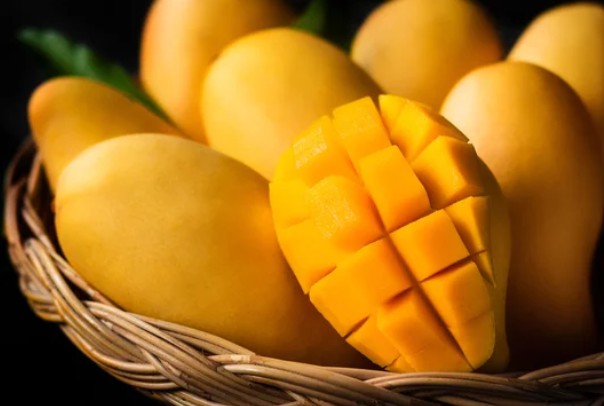
Mango
Juicy tropical fruit rich in vitamin C, antioxidants and gut-loving fibre.Mango, often celebrated as the “king of fruits,” is far more than a sweet tropical treat. This vibrant golden fruit offers a remarkable range of nutrients and bioactive compounds that support immunity, gut health, skin vitality and overall well-being. As a functional food, it brings together delicious flavour with science-backed benefits, making it a valuable addition to a balanced diet.
Originating in South Asia, it has been cultivated for more than 4,000 years and now features in cuisines worldwide. Whether enjoyed fresh, blended into smoothies or incorporated into savoury dishes, it contains essential vitamins, dietary fibre, polyphenols and carotenoids that offer protective effects against oxidative stress and inflammation.
In this article, we explore the nutritional value, health benefits and scientific research surrounding the mango. We also consider how best to include it in your diet, and how processing impacts its nutritional content, helping you make informed choices for optimal health.
Nutrition Table
| Nutrient/Compound | Amount per 100g | Benefits |
|---|---|---|
| Energy | 60 kcal | Natural source of energy |
| Carbohydrates | 14.98 g | Primary energy source |
| Fibre | 1.6 g | Supports gut health and digestion |
| Vitamin C | 36.4 mg | Boosts immunity and collagen production |
| Vitamin A (beta carotene) | 54 µg | Supports vision and skin health |
| Folate (B9) | 43 µg | Essential for cell repair and pregnancy health |
| Potassium | 168 mg | Supports heart function and fluid balance |
| Polyphenols (including mangiferin) | Present | Antioxidant and anti inflammatory effects |
Benefits
- Supports Immune Function
Mango is rich in vitamin C, providing around 36.4 mg per 100g. This essential antioxidant helps strengthen the immune system by supporting white blood cell function and protecting against oxidative damage. It also supplies vitamin A precursors, including beta carotene, which play a role in immune defence and mucosal barrier integrity.
- Promotes Healthy Digestion and Gut Microbiome
This fruit contains both soluble and insoluble fibre, supporting regular digestion and gut health. Soluble fibre helps feed beneficial gut bacteria, while insoluble fibre aids bowel regularity. It also contains amylases, natural enzymes that support carbohydrate digestion, making it easier for the body to break down starches.
Studies suggest that consumption can increase levels of beneficial gut bacteria and improve digestive comfort, positioning it as a gut-friendly functional food.
- Antioxidant and Anti-Inflammatory Effects
It is naturally rich in polyphenols and carotenoids, including mangiferin, quercetin, beta carotene and gallic acid. These compounds help neutralise free radicals, reduce inflammation and may play a protective role against chronic disease.
Mangiferin in particular has been widely studied for its antioxidant and anti-inflammatory effects and potential cardiometabolic benefits.
- Supports Skin Health
The nutrients help maintain healthy skin. Vitamin C supports collagen synthesis, while carotenoids such as beta carotene help protect against UV-induced oxidative damage. Polyphenols provide additional antioxidant support, helping to keep skin looking vibrant and resilient.
- Helps Maintain Healthy Vision
With vitamin A precursors like beta carotene and lutein, it supports eye health and may help protect against age-related macular degeneration. These carotenoids assist with low light vision and help filter harmful blue light.

How to Include Mango in Your Diet
Fresh slices as a snack or dessert.
Added to smoothies with yoghurt or plant milk.
Tossed into salads with spinach, red onion and lime.
Blended into sauces for fish or chicken.
Mixed into overnight oats.
Frozen mango cubes for smoothies or sorbet.
Mango salsa with avocado, coriander and chilli.
Effects of Processing on Nutritional Value
Fresh – retains full vitamin C and enzymes.
Frozen – maintains most nutrients and is excellent for smoothies.
Dried – concentrated in sugar and calories but retains antioxidants.
Canned – may contain added sugar and reduced vitamin C.
Juiced – removes most fibre and can spike blood sugar.

Scientific Backing
Research supports many of the traditional and modern health claims associated with mango:
- A 2018 clinical trial found that consuming 300g of mango daily improved digestive comfort and increased levels of beneficial gut bacteria in adults compared with an equivalent amount of dietary fibre from supplements.
- Studies show that mangiferin exhibits antioxidant and anti-inflammatory effects, which may help protect the cardiovascular system and improve metabolic markers.
- Research indicates that mango polyphenols may support healthy blood glucose control by improving insulin response and reducing post-meal glucose spikes.
- Vitamin C and carotenoids from mango contribute to immune system support and skin health. Studies have confirmed that antioxidants in mango help reduce oxidative stress markers.
These findings indicate that it can play a valuable role in a health-supportive diet, contributing phytochemicals and nutrients that work synergistically.
Key Takeaways
Mango is more than a sweet tropical fruit. It is high in vitamin C, fibre, folate and powerful antioxidants like mangiferin and beta carotene, supports digestion, immunity, skin health and vision.
Scientific studies highlight its ability to improve gut microbiota, reduce oxidative stress and support metabolic health. Enjoy mango in fresh, frozen or cooked forms, but be mindful that dried and juiced versions are more concentrated in sugars.
Incorporating mango as part of a balanced diet provides delicious nutrition and a diverse range of health benefits.
Recommended Products

References/Sources
- USDA FoodData Central – Mango, fresh
https://fdc.nal.usda.gov/ - Kim H et al. Mango supplementation improves digestive function and gut microbiota in humans (300g/day trial). Journal of Nutrition, 2018.
https://doi.org/10.1093/jn/nxy120 - Duan D et al. Mangiferin antioxidant and anti inflammatory mechanisms. Food Chemistry, 2020.
https://doi.org/10.1016/j.foodchem.2019.125451 - Lucas E et al. Mango polyphenols and blood glucose modulation. Nutrition & Metabolism, 2011.
https://doi.org/10.1186/1743-7075-8-14 - Dr William Li – Eat to Beat Disease (2019)
- FAO Mango Production and Benefits Data
https://www.fao.org - Rao A and Rao L – Carotenoids and human health. Pharmacological Research, 2007.
https://doi.org/10.1016/j.phrs.2007.01.012