
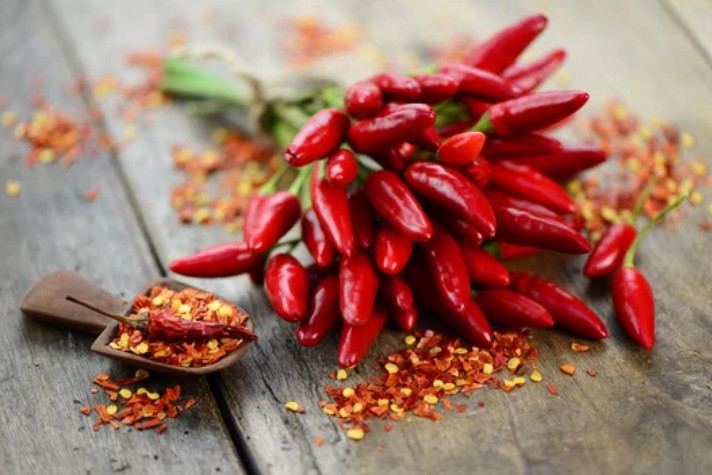
Chilli Peppers
Rich in capsaicin, vitamin C and antioxidants — supports metabolism, heart health and immunity.Chilli peppers are more than just a spicy addition to meals — they are a powerhouse functional food packed with bioactive compounds that support health from inflammation control to metabolism optimisation. Chillies are increasingly recognised in modern nutritional science for their therapeutic potential.
Their heat comes from capsaicin, a unique compound studied for its effects on metabolism, pain signalling, inflammation and vascular health. Alongside this, chilli peppers provide vitamin C, vitamin A, potassium, carotenoids, polyphenols and dietary fibre, making them far more than a culinary spice.
From cardiometabolic benefits to digestive support and immune function, chillies bring both heat and healing.
Nutrition Table
| Nutrient/Compound | Amount per 100g | Benefits |
|---|---|---|
| Vitamin C | 144 mg | Immune support, antioxidant, skin collagen synthesis |
| Vitamin A (as carotenoids) | 48 µg | Vision, skin, immunity |
| Vitamin B6 | 0.5 mg | Energy metabolism, brain health |
| Potassium | 322 mg | Heart health, fluid balance |
| Dietary fibre | 1.5 g | Gut health, digestion |
| Capsaicin | ~0.1–1% (varies by variety) | Metabolic support, anti-inflammatory, pain modulation |
| Carotenoids (incl. beta-carotene, lutein) | Varies | Antioxidant, eye health, anti-inflammatory |
| Polyphenols | Varies | Antioxidant, cell protection |
Benefits
- Metabolism and Weight Support
Capsaicin may increase metabolic rate and support fat oxidation — potentially aiding weight management when part of a balanced diet.
- Heart and Circulatory Health
Chilli peppers are rich in antioxidants and vasodilatory compounds, and may lower inflammation, support healthy blood pressure and improve circulation.
- Immune System Support
Chillies are high in vitamin C, a key nutrient for immune function and antioxidant defence.
- Anti-Inflammatory Properties
Capsaicin may help reduce inflammation and oxidative stress — a key factor in chronic disease prevention.
- Pain Modulation
Capsaicin interacts with nerve receptors and may provide relief in certain pain conditions (hence its use in topical creams).

How to Include Chillies in Your Diet
Chilli peppers come in many varieties — from mild bell peppers to fiery habaneros — and can be used fresh, dried, powdered, fermented or in sauces.
Easy Ways to Add to Meals
Add chopped fresh chilli peppers to salads, stir fries and stews
Use chilli flakes on eggs, soups or avocado toast
Mix chilli powder into marinades or roasted vegetable seasonings
Blend fresh chilli into salsa or guacamole
Add chilli and lime to roasted vegetables
Make a tomato, chilli and coriander salsa
Chilli-infused olive oil for drizzling
Effects of Processing
Fresh – highest vitamin C and water content
Dried – contains capsaicin and antioxidants
Cooking – causes a mild loss of vitamin C, but the antioxidants remain intact
Fermented – (rich in probiotics) adds gut-friendly bacteria
Tip: If you’re sensitive to heat, start with milder varieties like jalapeño, poblano or Kashmiri chillies.

Scientific Backing
Chilli peppers have been extensively studied for their metabolic, cardiovascular and anti-inflammatory effects. Key findings include:
Metabolism and Fat Oxidation
A controlled study found that capsaicin increased metabolic rate and fat oxidation, aiding weight management when consumed regularly (20–40 mg capsaicin/day) (Ludy et al., 2012).
Heart Health Benefits
A large population study following over 22,000 adults in Italy found that those consuming chilli peppers ≥4 times/week had significantly lower rates of cardiovascular mortality (Bonaccio et al., 2019).
Anti-Inflammatory Effects
Animal and human research suggests capsaicin reduces inflammatory markers and oxidative stress by modulating TRPV1 pain receptors (Yang et al., 2020).
Pain Relief
Topical capsaicin patches improved nerve pain symptoms in clinical trials, reducing discomfort and improving mobility (Backonja et al., 2008).
Together, studies highlight a compelling case for chilli peppers as a functional food supporting metabolic health, cardiovascular wellness and inflammation control.
Key Takeaways
Chilli peppers are a potent functional food offering far more than fiery flavour. Their standout compound, capsaicin, supports metabolism, circulation, inflammation control and pain modulation, while high vitamin C and antioxidant content bolster immunity and cellular health.
Including a mix of fresh, dried and fermented chillies in a balanced diet adds not only bold flavour but science-backed health benefits — making chilli peppers a smart addition to a functional food lifestyle.
Recommended Products

References/Sources
- Ludy, M-J., et al. (2012). Effects of capsaicin consumption on metabolism and fat oxidation. Journal of Nutrition. https://academic.oup.com/jn/article/142/3/353/4630785
- Bonaccio, M., et al. (2019). Chilli pepper consumption and mortality. Journal of the American College of Cardiology. https://www.jacc.org/doi/10.1016/j.jacc.2019.09.068
- Yang, M. et al. (2020). Anti-inflammatory actions of capsaicin. International Journal of Molecular Sciences. https://www.mdpi.com/1422-0067/21/2/570
- Backonja, M. et al. (2008). Topical capsaicin for neuropathic pain. Journal of Pain. https://www.jpain.org/article/S1526-5900(08)00961-1/fulltext
- USDA FoodData Central — Chilli Peppers https://fdc.nal.usda.gov/
- Dr William Li — Eat to Beat Disease (2019)